
Antiparasitic
This word refers to medicines that get rid of parasites like worms, protozoa, and lice that cause illnesses. These medicines either kill parasites or stop them from growing, which lets the body get rid of them. Antiparasitic are very important for treating diseases in people's intestines, blood, skin, and other parts of the body.


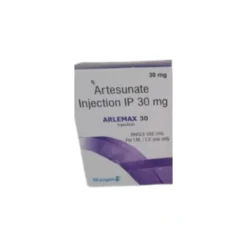
Antiparasitic
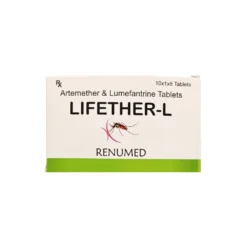
Antiparasitic
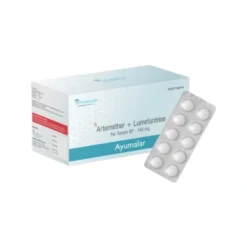
Antiparasitic

Antiparasitic
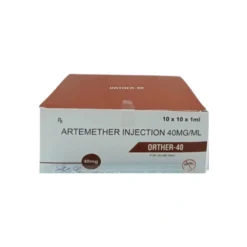
Antiparasitic

Antiparasitic
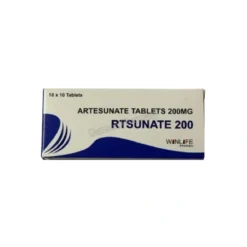
Antiparasitic
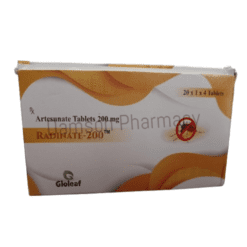
Antiparasitic
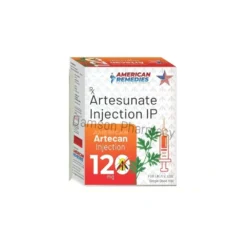
Antiparasitic
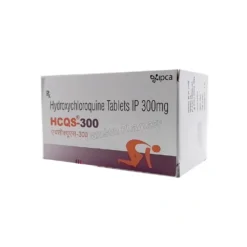
Antiparasitic
Antiparasitic Used For
- These drugs are used to treat and avoid a number of parasitic infections that can happen in humans People often get them to treat intestinal worm diseases like roundworm, hookworm, and tapeworm.
- These medicines can also help with protozoal diseases like amoebiasis, malaria, and giardiasis.
- Antiparasitic drugs are also used to treat external parasites like lice and scabies, which helps get rid of skin-related problems.
- These methods lessen the effects of parasites on the body, such as abdominal pain, diarrhea, tiredness, skin irritation, and poor nutrition.
- In public health, they are often used in large-scale deworming efforts to lower the number of parasites in communities, especially in areas with a high risk of getting them.
- Anthelmintic therapy is an important part of treating parasites, and it works especially well on worm diseases.
- In general, these medicines are very helpful for keeping people healthy and stopping the spread of parasitic illnesses.
Working
Antiparasitic drugs work by attacking specific parts of parasites' biology. Depending on the type of drug, it may mess up the parasite's nervous system, stop it from making energy, or change the way cells are built. There are medicines that can make the parasite weak, which helps the body get rid of it naturally.
Others stop the parasite from taking in glucose or other important nutrients, which kills it. When someone has a protozoal disease, antiparasitic drugs may stop the organism from reproducing in the blood or body cells. After that, the immune system gets rid of the problem completely.
This targeted process makes sure that parasites are killed quickly and with as little damage as possible to human cells. The main job of these drugs is to fight infections while also helping the body's own defense system.
Dosage
Antiparasitic drugs are given in different amounts based on the type of infection, the patient's age, weight, and how bad the situation is. People often take these medicines for worm infestations, protozoal illnesses, and diseases caused by external parasites.
Some medicines that get rid of parasites only need to be taken once, while others need to be taken several times over the course of a few days or weeks to be completely effective. For instance, deworming pills may be taken once and then again after a certain amount of time to make sure they work fully and stop reinfection.
When treating malaria, dose plans are carefully planned out over a set number of days. Based on clinical standards, doctors figure out the exact dose to get the most out of the drug and lower the risk of drug resistance.
Patients must carefully follow the instructions given, including the time and length of treatment, in order to get the best results from their treatment and keep the infection from coming back.
How Long Antiparasitic Lasts?
- Antiparasitic drugs work for different amounts of time, based on the type of drug and the infection being treated.
- Some medicines work quickly to get rid of parasites within hours or days, which helps with symptoms right away.
- Others need longer rounds of treatment to make sure the infection is completely gone.
- Single-dose treatment might work for mild cases, but most of the time, follow-up doses are needed to make sure the parasites are gone for good and stop them from coming back.
- When an infection is serious or lasts a long time, treatment may go on for a few weeks while the doctor watches.
- Overall success also depends on how well the patient takes their medications and how well their immune system responds to them.
- Even after treatment, infections can come back if people don't follow good cleanliness and safety rules.
- So, finishing the full run of antiparasitic therapy is important for keeping the infection under control and for long-term recovery.
Side Effects
Common Side Effects
- Nausea Vomiting
- Headache Dizziness
- Abdominal Discomfort
- Fatigue Weakness
- Loss Appetite
Moderate Side Effects
- Skin Rash
- Itching Irritation
- Digestive Upset
- Mild Fever
- Tiredness Fatigue
Serious Side Effects
- Liver Damage
- Severe Allergy
- Breathing Difficulty
- Organ Toxicity
- Prolonged Reaction
Interactions
Antiparasitic drugs can combine with other drugs, which could make them less safe or less effective when used to treat parasite infections. As an example, some antibiotics and antifungals can change how antiparasitic drugs are broken down in the liver, which could make them work better or worse.
There are also times when certain antipsychotic and blood thinner drugs may not work well together and need to be carefully dosed and supervised by a doctor. Side effects like nausea, dizziness, and stomach soreness can get worse if you drink alcohol, so you should try to stay away from it during treatment.
Herbal supplements may also change how drugs work and make treatments less successful. There are risks involved, so patients should tell their doctor about all the prescription drugs, over-the-counter drugs, and vitamins they are taking.
Monitoring and medical advice are important for making sure that antiparasitic therapy stays effective throughout the treatment time and that no harmful interactions happen.
Precautions and Warnings
- Before taking antiparasitic drugs, patients should get a good diagnosis to make sure they need the right kind of treatment for their infection.
- People should not self-medicate at all costs, because doing it wrong can cause drug resistance or results that don't work.
- These medicines should only be taken by women who are pregnant or breastfeeding under close medical care to protect both the mother and the child.
- People who have liver or kidney disease need to be extra careful because drugs are broken down and flushed out of the body differently.
- Before prescribing antiparasitic therapy, a full background of allergies must also be looked over.
- Following good cleanliness habits, like washing your hands often, handling food safely, and using clean water, is important to stop the infection from spreading and happening again.
- In some cases, it may be best to treat everyone in the family to stop the cycle of transmission.
- With the right medical advice, antiparasitic drug use is safe, effective, and focused, and the risks and problems that can happen are kept to a minimum.
Storage
Antiparasitic drugs should be kept in a way that follows the manufacturer's instructions to make sure they stay safe and effective during treatment. Keep most pills and capsules at room temperature in a cool, dry place out of direct sunlight, heat, and water.
Depending on the exact instructions on the label, liquid formulations may need to be kept cold. To keep drugs from getting contaminated and to make sure they can be identified, they should all stay in their original packaging.
To keep kids and dogs from accidentally taking drugs, it's important to keep them safely out of their reach. To make sure safe use, it's also important to check expiration dates often.
Antiparasitic drugs that have passed their expiration date or have not been used should be thrown away properly through drugstore take-back programs or local healthcare rules. Safe ways to store and get rid of drugs help keep their quality, stop people from abusing them, and protect both people and the earth.