
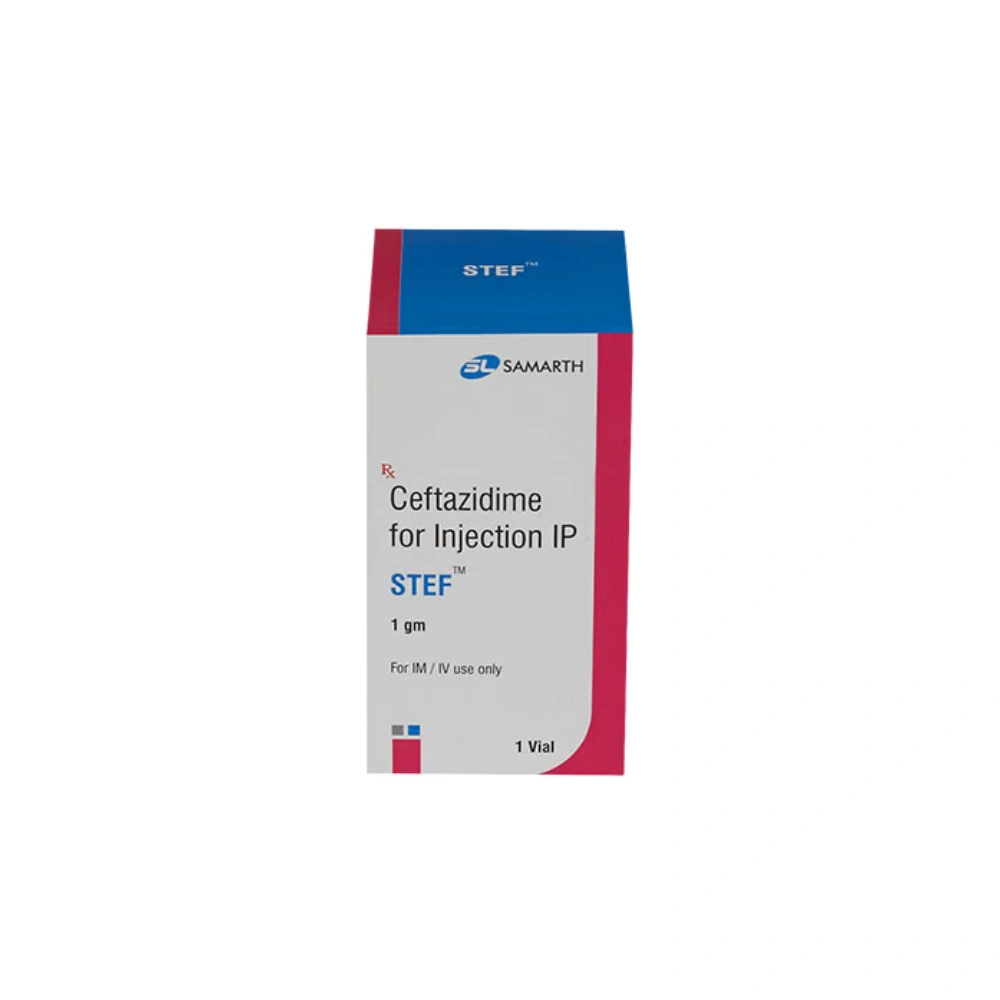
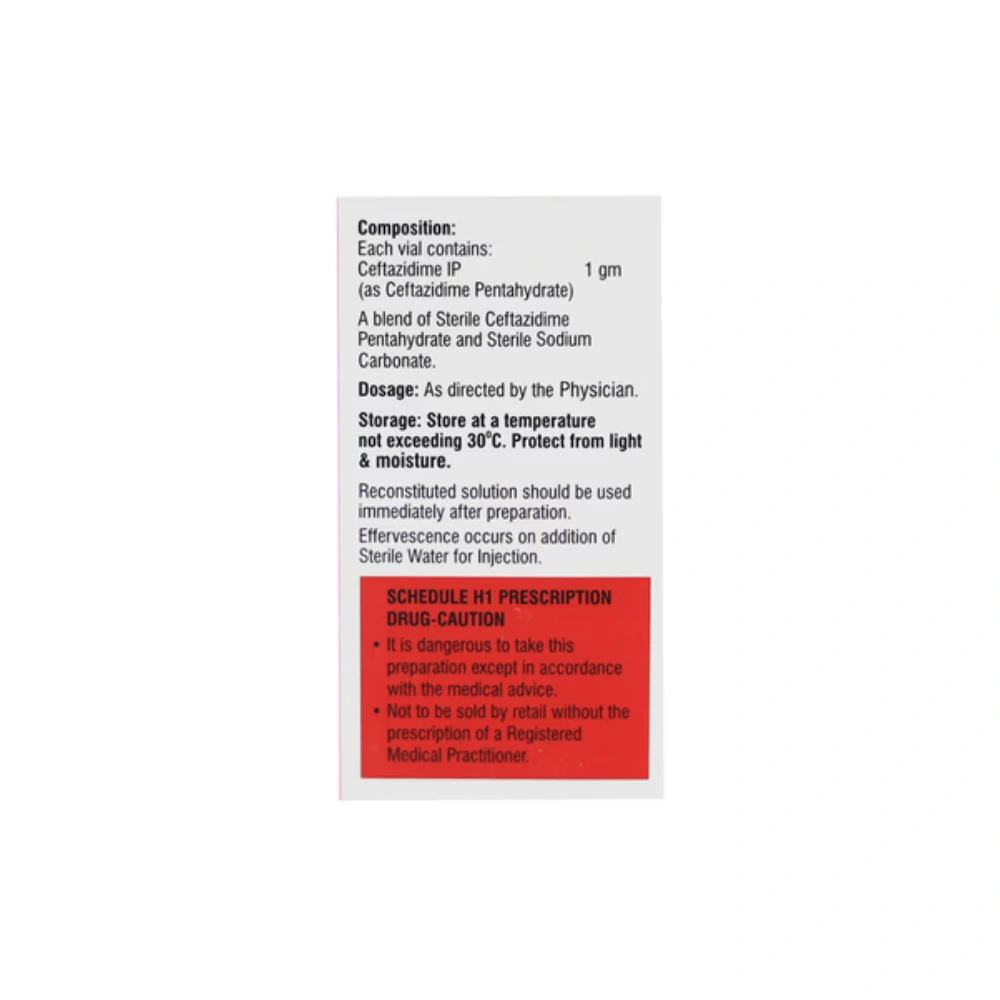
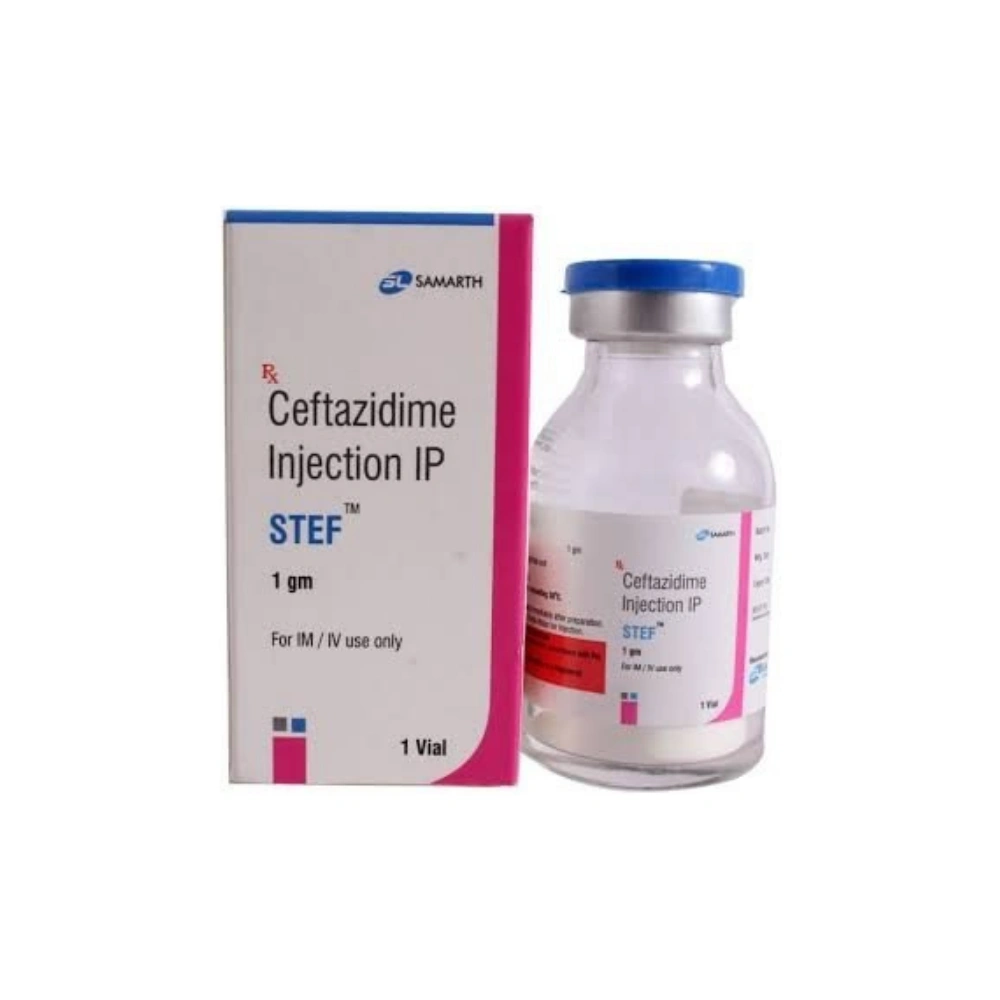
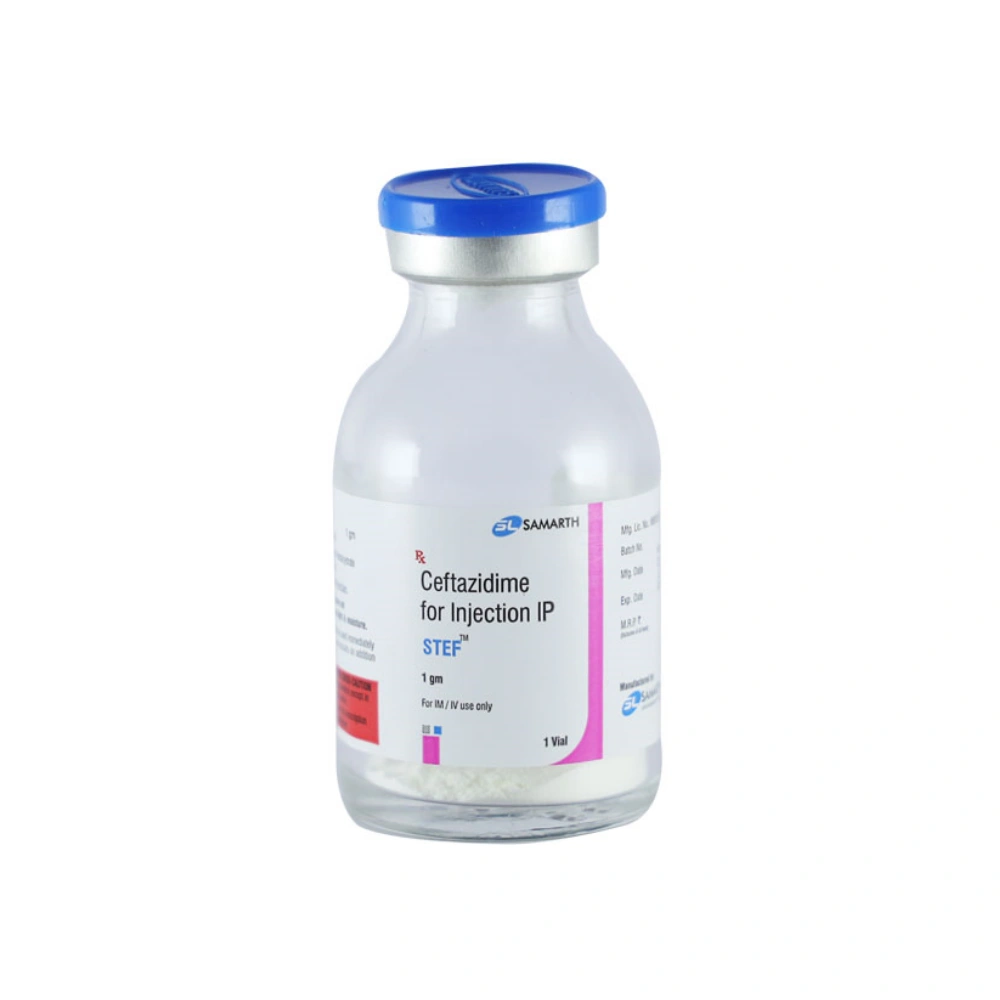
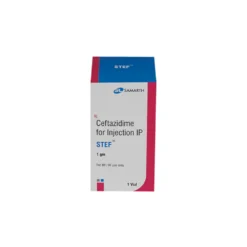
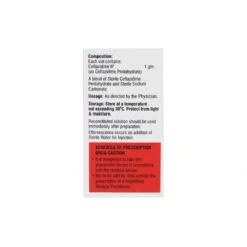
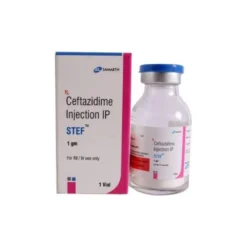
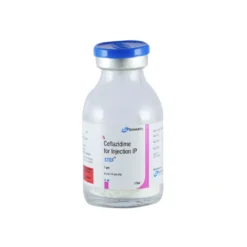
Ceftazidime 1gm Injection
Price range: $66.00 through $180.00
| Pack Size | Price/Unit | Price | Quantity | |
|---|---|---|---|---|
| 3 Packs | $22.00/unit | $66.00 | ||
| 5 Packs | $20.00/unit | $100.00 | ||
| 10 Packs | $18.00/unit | $180.00 |
Looking for bulk / B2B pricing? |
Send Inquiry |
Availability : IN STOCK

Medically Reviewed by Damson Pharmacy Medical Review Board

Introduction to Ceftazidime 1gm Injection
Ceftazidime 1gm Injection is a third-generation cephalosporin antibiotic used to treat a wide range of bacterial infections. It is administered by healthcare professionals and is particularly effective against many Gram-negative bacteria, including certain serious and hospital-acquired infections.
This injection is commonly prescribed for respiratory tract infections, urinary tract infections, skin and soft tissue infections, bone and joint infections, and bloodstream infections. It may also be used in patients with weakened immune systems who require broad-spectrum antibacterial coverage.
Ceftazidime 1gm Injection works by interfering with the formation of the bacterial cell wall. By preventing bacteria from building and maintaining a protective cell wall, the medication causes bacterial destruction and helps eliminate the infection from the body.
What are the Uses of Ceftazidime 1gm Injection?
Ceftazidime 1gm Injection is used to treat a variety of bacterial infections caused by susceptible microorganisms. Common uses include:
- Respiratory Tract Infections
- Urinary Tract Infections (UTIs)
- Skin and Soft Tissue Infections
- Bone and Joint Infections
- Bloodstream Infections
- Intra-abdominal Infections
- Gynecological Infections
Dosages
Ceftazidime 1gm Injection should be administered only by a qualified healthcare professional. The dosage depends on the type and severity of the infection, the patient’s age, body weight, kidney function, and overall medical condition. Individualized dosing helps ensure effective bacterial infection management.
The frequency and duration of Ceftazidime 1gm Injection treatment vary according to the patient’s clinical response and the infection being treated. Healthcare providers determine the appropriate regimen and may adjust doses when necessary, particularly in patients with reduced kidney function.
How Does Ceftazidime 1gm Injection Works?
Ceftazidime 1gm Injection works by interfering with the formation of bacterial cell walls. It belongs to the cephalosporin class of antibiotics and prevents bacteria from building a strong protective outer structure, which is essential for their growth, survival, and multiplication.
As the bacterial cell wall becomes weakened and unstable, the bacteria are unable to maintain their integrity and eventually die. By eliminating susceptible bacteria, Ceftazidime 1gm Injection helps control infection, reduce symptoms, and support the body’s natural recovery process.
Side Effects of Ceftazidime 1gm Injection
Common Side Effects
- Injection pain
- Injection redness
- Nausea
- Vomiting
- Diarrhea
- Headache
- Dizziness
Serious Side Effects
- Anaphylactic reaction
- Seizures
- Severe diarrhea
- Blood disorders
- Kidney impairment
- Stevens-Johnson syndrome
- Toxic epidermal necrolysis
Drug Interactions
- Amikacin therapy
- Furosemide use
- Warfarin interaction
- Chloramphenicol use
- Vancomycin therapy
- Tobramycin use
Storage
- Store Ceftazidime Injection below recommended temperature specified on packaging.
- Keep vials in original packaging to protect from light exposure.
- Store in a cool, dry place away from moisture and humidity.
- Do not freeze the injection unless specifically instructed by manufacturer.
- Keep Ceftazidime 1gm Injection out of reach of children and pets.
- Use reconstituted solution within the recommended period provided by guidelines.
- Do not use the injection after the expiry date has passed.
- Dispose of unused or expired medication according to local regulations.
Warnings & Precautions
1. Use only for bacterial infections
- Ceftazidime Injection should be used only when a bacterial infection is suspected or confirmed.
2. Medical supervision required
- This injection must be administered by qualified healthcare professionals in an appropriate clinical setting.
3. History of antibiotic allergy
- Inform your doctor about any previous allergies to cephalosporins, penicillins, or other antibiotics before treatment.
4. Kidney function assessment
- Patients with kidney impairment may require dosage adjustments and close medical monitoring during therapy.
5. Complete the full course
- Finish the prescribed treatment course even if symptoms improve earlier to ensure effective infection control.
6. Caution in elderly patients
- Older adults may require careful evaluation and monitoring based on their overall health condition.
7. Pregnancy considerations
- Ceftazidime 1gm Injection should be used during pregnancy only when clearly needed and medically advised.
8. Breastfeeding consultation
- Nursing mothers should consult their healthcare provider before receiving Ceftazidime Injection treatment.
9. Regular clinical monitoring
- Healthcare providers may perform periodic assessments to evaluate treatment response and overall patient progress.
FAQs – Frequently Asked Questions
How is Ceftazidime 1 administered?
How quickly does Ceftazidime 1 start working?
Can Ceftazidime 1 be used for pneumonia?
Can Ceftazidime 1 be used in hospitalized patients?
| Pack Size | 10 Packs, 3 Packs, 5 Packs |
|---|---|
| Price/Unit | $18.00/unit, $20.00/unit, $22.00/unit |
Related Products

Antibiotics
Antibiotics
Antibiotics
Antibiotics
Reviews
There are no reviews yet