
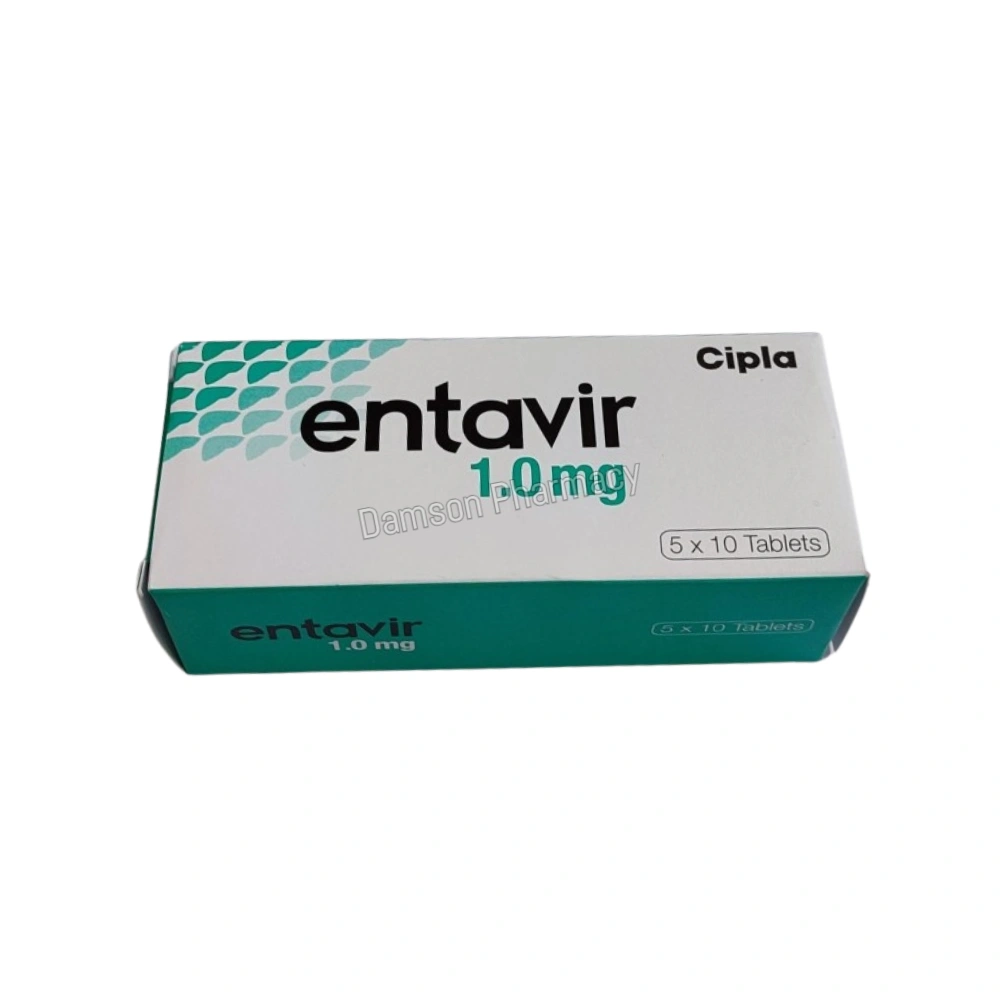
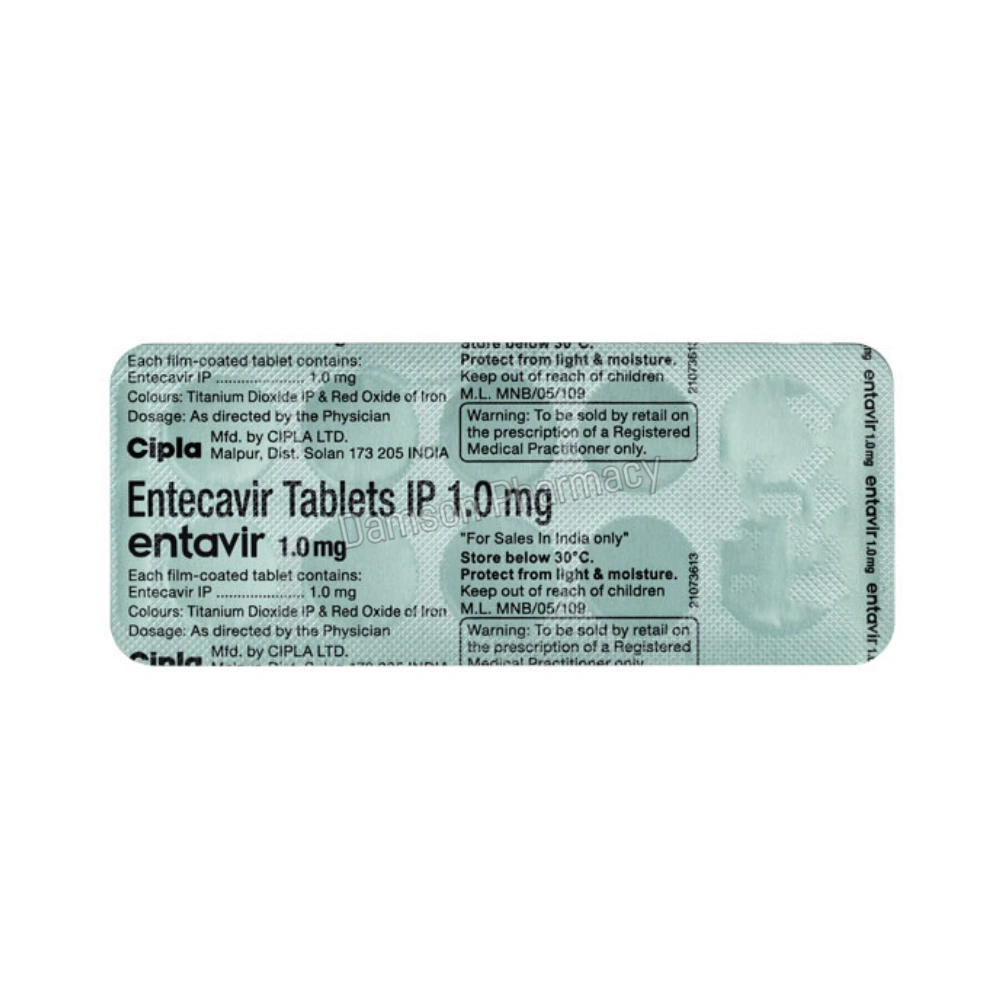
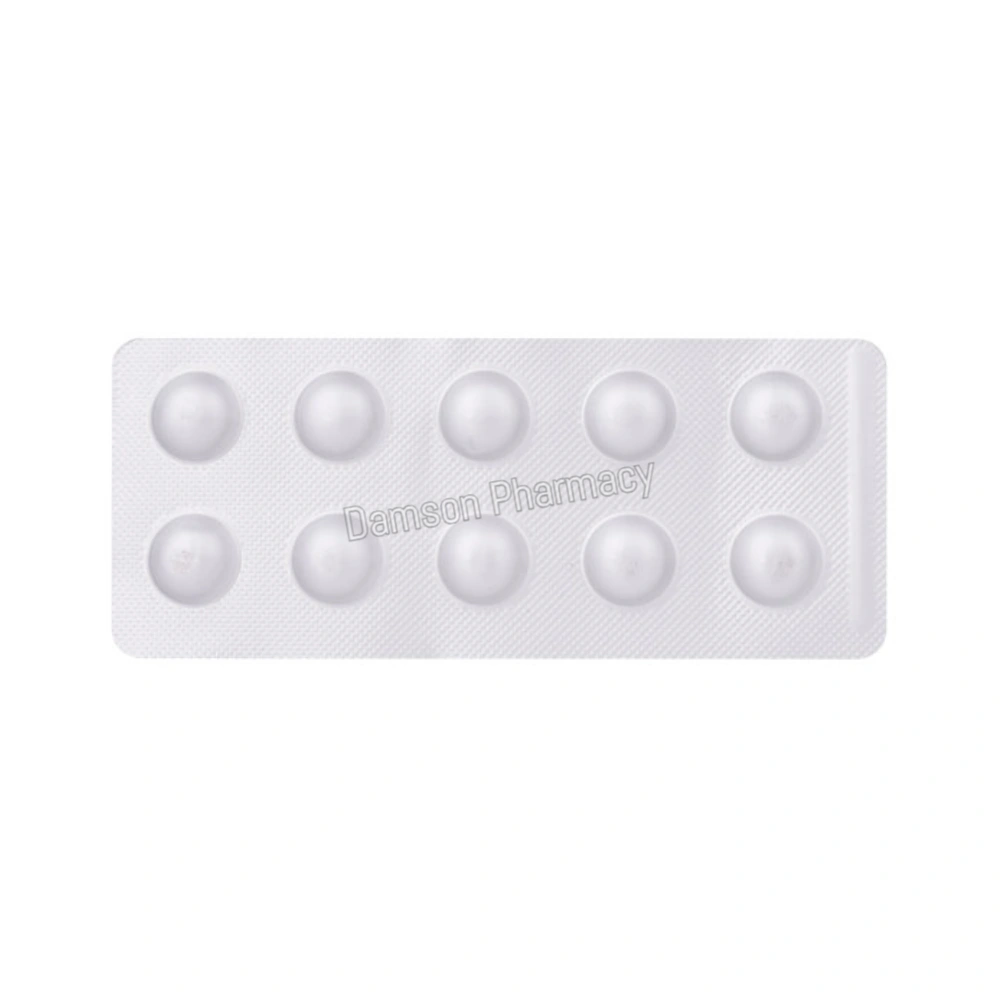
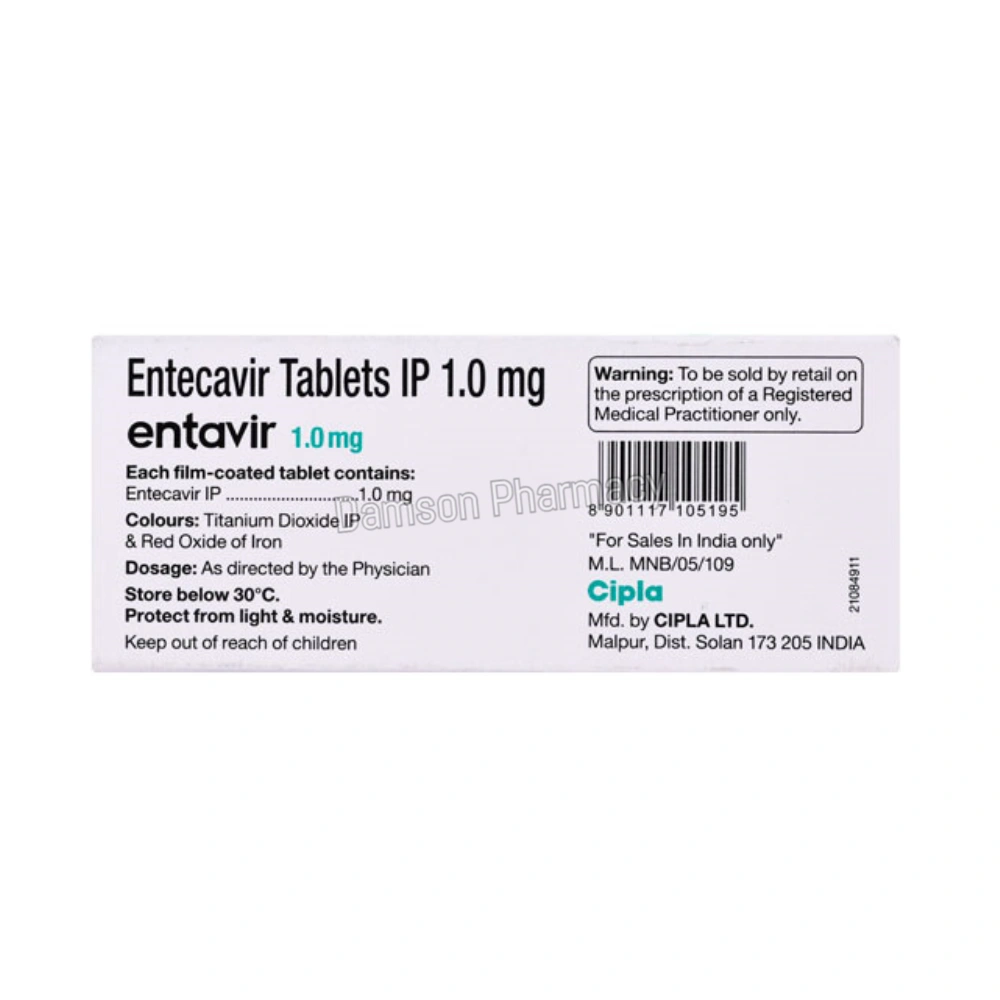
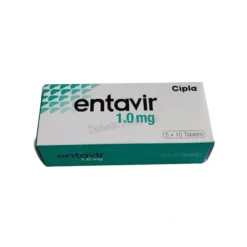
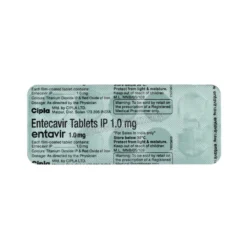
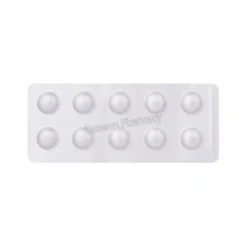
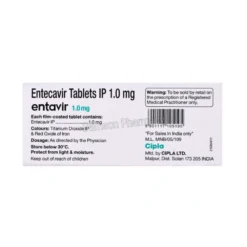
Entavir 1.0 mg
Price range: $135.00 through $387.00
Entavir 1 is used to treat Hepatitis B infection. It contains Entecavir, which works by blocking the replication of the hepatitis B virus, helping reduce viral load and prevent liver damage.
| Pack Size | Price/Unit | Price | Quantity | |
|---|---|---|---|---|
| 30 Tablets | $4.50/unit | $135.00 | ||
| 60 Tablets | $4.40/unit | $264.00 | ||
| 90 Tablets | $4.30/unit | $387.00 |
Looking for bulk / B2B pricing? |
Send Inquiry |
Availability : IN STOCK




Introduction to Entavir 1 mg Tablets
Entavir 1 mg Tablet, containing the active ingredient entecavir, is a medication primarily used to treat chronic hepatitis B virus (HBV) infection. Hepatitis B is a serious viral infection that affects the liver, leading to inflammation, liver damage, and potentially life-threatening complications such as cirrhosis and liver cancer if left untreated.
Entavir 1 mg Tablet is not a cure for HIV or AIDS and only helps to decrease the amount of HIV in your body. This helps to lower your risk of getting HIV-related complications and improves your lifespan. It is prescribed in combination with other HIV medicines. Your doctor will recommend the best medicines for you and will decide the doses that you need.
The medication is typically prescribed as a long-term therapy, taken orally once daily. It is well absorbed from the gastrointestinal tract and converted into its active form in the body. Tenofovir competes with natural substrates to integrate into viral DNA, effectively disrupting the replication process and preventing the virus from spreading.
Uses of Entavir 1 mg
Entavir 1 mg (Tenofovir disoproxil fumarate) is primarily used for the treatment of chronic hepatitis B virus (HBV) infection. Here are the key uses of Entavir 1 mg:
- Treatment of Chronic Hepatitis B
- Reduction of Liver Inflammation
- Prevention of Liver Cirrhosis
- Decreased Risk of Liver Cancer
- Maintenance Therapy
- Adjuvant Therapy
How does Entavir 1 Work?
Entavir 1 mg Tablet contains the active ingredient entecavir, an antiviral medication that prevents the virus from multiplying in human cells. This stops the virus from producing new viruses & clears up your infection.
Entecavir is a nucleoside analogue, specifically a deoxyguanosine analogue belonging to the class of carbocyclic nucleosides. It inhibits reverse transcription and DNA replication during the viral replication process.
Other nucleoside and nucleotide analogues include telbivudine, lamivudine, adefovir dipivoxil, and tenofovir. Entecavir decreases the amount of HBV in the blood by reducing its ability to multiply and infect new cells.
Side Effects of Entavir
- Headache
- Nausea
- Rash
- Vomiting
- Fatigue
- Stomach pain
- Diarrhea
Dosage of Entavir 1 mg
Entavir 1 Mg Tablet contains an active ingredient, Entecavir, which is used in the treatment of chronic hepatitis B virus (HBV) infection. This medicine is available in different strengths and formulations and should be used only with a doctor’s prescription.
You must consult your physician about adjusting the dosage and timing of the medicine because the appropriate regimen depends on factors such as your age and the severity of your condition.
Adults are advised to take Entavir 1 mg Tablet at a fixed time on an empty stomach, as instructed by their doctor. You must take Entavir 1 mg Tablet regularly at the same time each day for the best results.
Available Strengths and Variants
How to Manage Side Effects?
- Communicate with Healthcare Provider
- Stick to Prescribed Dosage
- Take with Food
- Stay Hydrated
- Avoid Alcohol and Certain Foods
- Monitor Liver Function
- Report Serious Side Effects
Warnings & Precautions
1. Liver Disease:
- Entecavir should be used with caution in patients with liver conditions like cirrhosis. It may worsen liver disease, especially if treatment is stopped abruptly. Regular monitoring of liver function is recommended.
2. HIV Co-infection:
- Entecavir is not effective against HIV and may not be suitable for individuals co-infected with both hepatitis B and HIV. It’s important to manage both infections carefully to avoid resistance development.
3. Discontinuation of Treatment:
- Stopping Entecavir suddenly can lead to a flare-up of hepatitis B, potentially causing severe liver damage. Do not stop the medication without consulting your healthcare provider.
4. Lactic Acidosis:
- Lactic acidosis (buildup of lactic acid in the blood) is a rare but serious side effect. Symptoms may include nausea, vomiting, unusual tiredness, and muscle pain. Immediate medical attention is required if any of these symptoms occur.
5. Kidney Function:
- Entecavir is primarily cleared through the kidneys, so it may accumulate in patients with kidney problems. Dose adjustments may be necessary in those with impaired renal function, and kidney function should be monitored regularly.
6. Pregnancy and Breastfeeding:
- Entecavir should only be used during pregnancy if the benefits outweigh the risks. Consult with a doctor before using Entecavir if you are pregnant or planning to become pregnant. It is not known whether Entecavir is excreted in breast milk, so it should be used with caution in breastfeeding mothers.
7. Resistance:
- Improper use of Entecavir may lead to resistance. Adhere to the prescribed dosage and treatment plan to reduce the risk of resistance.
8. Allergic Reactions:
- In rare cases, severe allergic reactions can occur, with symptoms like rash, itching, swelling, or difficulty breathing. Seek immediate medical attention if any of these symptoms develop.
Storage
- Store the medication at room temperature, typically between 20°C and 25°C (68°F and 77°F).
- Protect the tablets from direct light by keeping them in their original packaging or a dark, dry place.
- Store in a dry place, away from humidity, as moisture can affect the stability of the medication.
- Ensure that the medication is stored securely and out of reach of children to prevent accidental ingestion.
- Avoid storing Entecavir in the refrigerator, as cold temperatures may affect its effectiveness.
- Check the expiration date before use. Do not use the medication past its expiration date.
Frequently Asked Questions
How should entavir 1 mg tablets be taken?
Can entavir 1 mg tablets cause liver problems?
What are the symptoms of serious liver problems?
What is drug resistance, and can it occur with entavir 1 mg tablets?
| Pack Size | 30 Tablets, 60 Tablets, 90 Tablets |
|---|---|
| Price/Unit | $4.30/unit, $4.40/unit, $4.50/unit |
Reviews
There are no reviews yet