
Can Constipation Cause Headaches? Explained in Detailed


Mar
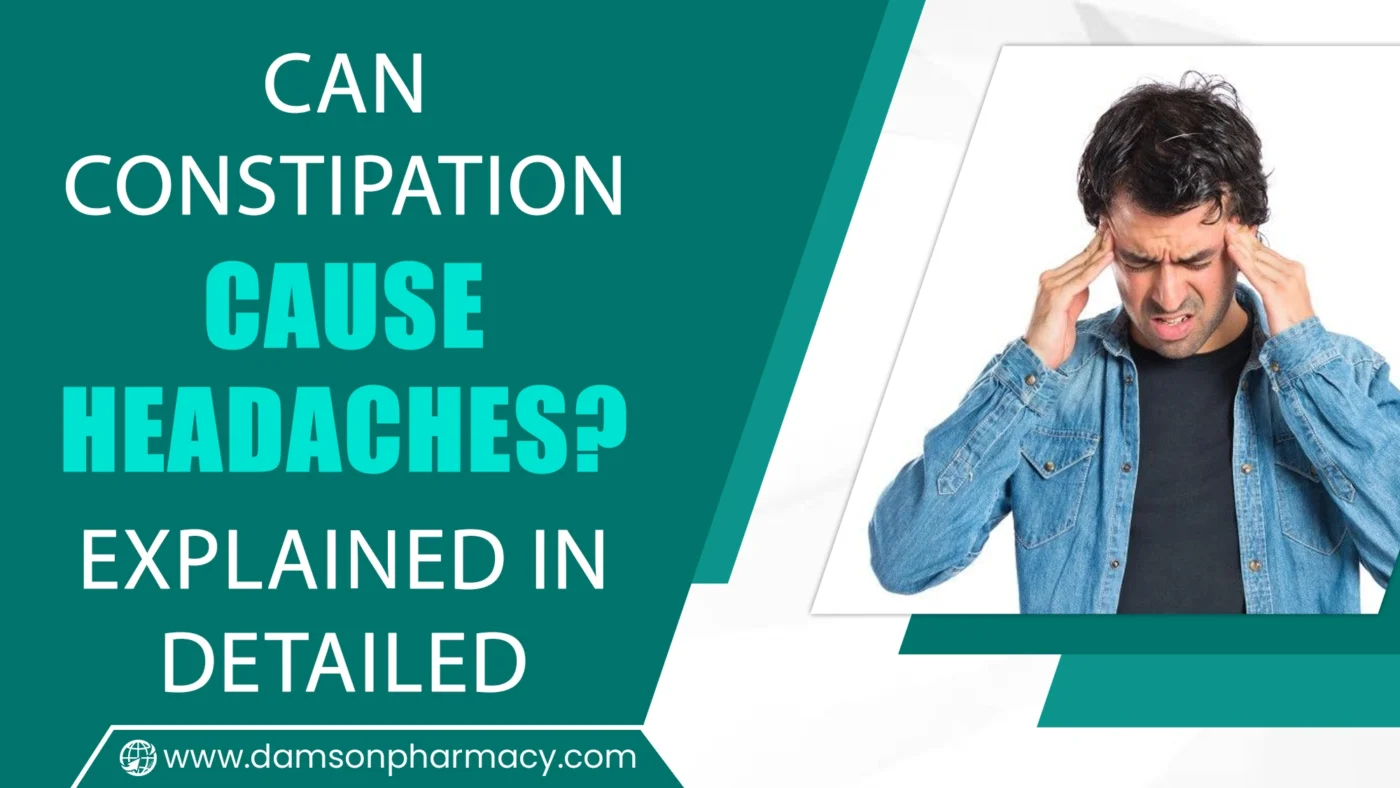
Constipation can occur alongside headaches, but it does not usually mean that constipation is directly causing the head pain. The two symptoms may share contributing factors, such as dehydration, changes in eating habits, stress, medication side effects, or an underlying health condition.
If you experience both symptoms at the same time, understanding their possible connection can help you decide what to do next. Relieving constipation may help when both symptoms share a cause, but persistent headaches should be assessed separately.
Can Constipation Cause Headaches?
Constipation is not an established direct cause of every headache. However, the two conditions can occur together, and some factors associated with constipation may also trigger head pain.
For example, inadequate fluid intake can contribute to hard stools and dehydration-related headaches. Straining during a bowel movement may also trigger head pain in some people.
Research has identified associations between headaches and digestive conditions, including constipation. However, an association does not prove that one symptom causes the other. If both symptoms keep returning, a healthcare professional can help identify whether they share a cause or require separate treatment.
Get Up to 90% off on Medicines
Hypogonadism

Hypogonadism

Hypogonadism

Hypogonadism
Why Might Constipation and Headaches Occur Together?
Several factors may contribute to both symptoms.
Dehydration and Changes in Diet
Not drinking enough fluids can contribute to constipation because the stool may become harder and more difficult to pass. Dehydration can also cause headaches, fatigue, and dizziness.
Dietary changes may contribute as well. Eating less fiber can make constipation more likely, while skipping meals or eating irregularly may trigger headaches in susceptible people.
Drinking enough fluids, eating regular meals, and gradually increasing dietary fiber may help address these contributing factors.
Read Also: Dehydration and Erectile Dysfunction: Does Water Help?
Stress, Sleep, and Daily Routine
Stress can affect bowel habits and may trigger tension-type headaches or migraines in some people. Poor sleep, travel, changes in daily routines, and ignoring the urge to have a bowel movement may also contribute to the symptoms.
When constipation and headaches occur during stressful periods, consider whether changes in sleep, hydration, meals, and activity could be playing a role. Improving these habits may help, although persistent symptoms need further assessment.
Medication Side Effects
Some medicines can contribute to constipation, headaches, or both. Examples include opioid pain medicines, iron supplements, and certain other prescription drugs. The specific effects depend on the medicine and the individual.
If both symptoms begin after starting a new medication or changing a dose, discuss the timing with your healthcare professional. Do not stop a prescribed medicine without medical guidance.
Straining During Bowel Movements
Straining to pass hard stools can trigger head pain in some people. The effort temporarily changes pressure within the chest and head, which may contribute to a headache.
However, a new headache brought on by straining should not automatically be blamed on constipation. A sudden, severe headache during a bowel movement or other exertion needs emergency assessment because it can sometimes signal a serious underlying problem.
Read Also: Do Bananas Cause Heartburn?
Can Constipation Cause Head Pressure or a Tension Headache?
Some people describe a headache as pressure, tightness, heaviness, or a feeling that their head is being squeezed. These descriptions do not identify the cause by themselves.
Tension-type headaches often cause a dull ache or a tight, pressing sensation. Dehydration, stress, and poor sleep may contribute to headaches, while constipation may occur alongside these factors.
Migraine is another possibility, particularly when head pain occurs with nausea, sensitivity to light, or sensitivity to sound. Digestive symptoms can accompany migraine, but constipation alone does not establish a migraine diagnosis.
If head pressure is persistent, worsening, new for you, or different from your usual headaches, seek medical advice rather than assuming it is related to your bowel movements.
How Can You Relieve Constipation and Reduce Headaches?
If both symptoms are mild and there are no warning signs, several practical measures may help address common contributing factors.

Drink Enough Fluids
Drink water regularly throughout the day. Adequate fluid intake helps prevent hard stools, particularly when you increase your fiber intake. If dehydration is contributing to your headache, replacing lost fluids may also help.
Fluid needs vary according to activity, climate, and health conditions. People who have been advised to restrict fluids should follow their healthcare professional’s guidance.
Increase Dietary Fiber Gradually
Fiber helps stool retain water and supports regular bowel movements. Good sources include vegetables, fruits, beans, lentils, oats, and whole grains.
Increase fiber gradually to reduce the likelihood of gas and bloating. Drink enough fluids as you increase your intake. If constipation persists despite dietary changes, ask a healthcare professional about other treatment options.
Stay Physically Active
Regular movement, such as walking, can support bowel regularity. Physical activity may also help some people manage stress, which can contribute to headaches.
Choose an activity suited to your health and fitness level. Avoid strenuous exertion if it triggers a new or severe headache.
Maintain Regular Bowel Habits
Respond to the urge to have a bowel movement rather than repeatedly delaying it. Allow yourself enough time in the bathroom and avoid excessive straining.
A consistent routine may help improve bowel regularity. You do not necessarily need a bowel movement every day; normal frequency varies between individuals.
Review Possible Medication Triggers
If constipation and headaches began after a medicine was introduced, ask your prescriber or pharmacist whether it could be contributing to the symptoms. Depending on the situation, an alternative medicine or a separate treatment for constipation may be appropriate.
Do not change prescription doses independently. If headaches continue after constipation improves, seek an assessment for other possible causes.
When Should You Seek Medical Attention?
Constipation and headaches often have manageable causes, but certain symptoms require prompt medical attention.
Seek emergency care if you experience:
- A sudden, extremely severe headache, particularly one triggered by straining.
- A headache accompanied by weakness, confusion, fainting, difficulty speaking, or sudden vision changes.
- Severe or worsening abdominal pain with vomiting or an inability to pass gas.
Arrange medical assessment if you have:
- Persistent or recurring headaches that interfere with daily activities.
- Constipation that does not improve with self-care or represents a significant change in your usual bowel habits.
- Blood in your stool, rectal bleeding, unexplained weight loss, or ongoing abdominal discomfort.
- Headaches and constipation that repeatedly occur together without an obvious explanation.
These symptoms do not necessarily indicate a serious illness, but they should not be dismissed as routine constipation.
Frequently Asked Questions
Can constipation cause a headache every day?
Constipation may occur alongside recurring headaches, but daily headaches should not automatically be attributed to bowel problems. Dehydration, medication effects, migraine, sleep problems, and other conditions may be involved. Frequent headaches warrant medical assessment.
Can straining to poop trigger a headache?
Yes. Straining can trigger head pain in some people. However, a new or sudden severe headache during a bowel movement requires urgent medical evaluation rather than assuming that constipation is responsible.
Can dehydration cause both constipation and headaches?
Yes. Inadequate fluid intake can contribute to hard stools and dehydration-related headaches. Drinking enough fluids may help when dehydration is involved, although other causes may need treatment.
Will a headache go away after constipation is relieved?
It may improve if both symptoms share a contributing factor, such as dehydration or discomfort. However, relieving constipation will not necessarily resolve a headache caused by migraine or another condition.
When should I worry about constipation and a headache?
Seek urgent care for a sudden severe headache, neurological symptoms, severe abdominal pain, vomiting with an inability to pass gas, or other alarming symptoms. Persistent headaches, ongoing constipation, and blood in the stool also warrant medical assessment.
Final Thoughts
Constipation and headaches can occur together, but constipation is not necessarily the direct cause of head pain. Dehydration, stress, changes in diet, medication effects, and straining may help explain the connection in some cases.
Adequate hydration, gradual increases in dietary fiber, regular physical activity, and consistent bowel habits may help relieve constipation. If headaches persist, worsen, or occur with warning signs, seek medical advice rather than assuming they will resolve when your bowel movements improve.
This information is for general educational purposes and does not replace an individual medical assessment.
References
Add Damson Pharmacy as a Preferred Source to see more of our trusted content across Google Search, AI Overviews, and AI Mode.
Acknowledgment:
Damson Pharmacy only refers to credible, authoritative sources for our content. If you’re curious about how we ensure the integrity of our content, we encourage you to read our Content Information Policy.
