
Women's Health
Every woman has her own unique life cycle, encompassing menstruation, pregnancy, perimenopause and all its phases. These require a specific amount of nutrients that a regular diet doesn't provide. That's why women's health supplements exist to support the body during these periods of increased need for these elements.
These include important vitamins to support pregnancy, calcium and vitamin D to maintain bone density after menopause and simple iron supplements replace during menstruation. This category lies at the intersection of nutrition and life stages in which general multivitamins are often insufficient for women. They are not about following trends, but about filling real, measurable gaps that appear at specific, well documented points in a woman's life.
Every woman has her own unique life cycle, encompassing menstruation, pregnancy, perimenopause and all its phases. These require a specific amount of nutrients that a regular diet doesn’t provide. That’s why women’s health supplements exist to support the body during these periods of increased need for these elements.
These include important vitamins to support pregnancy, calcium and vitamin D to maintain bone density after menopause and simple iron supplements replace during menstruation. This category lies at the intersection of nutrition and life stages in which general multivitamins are often insufficient for women. They are not about following trends, but about filling real, measurable gaps that appear at specific, well documented points in a woman’s life.



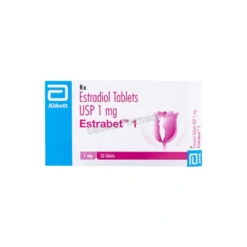
Menopause

Sildenafil Citrate

Sildenafil Citrate

Menopause

Women's Health
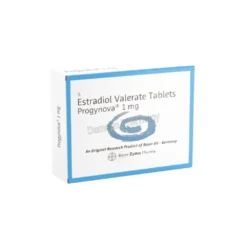
Menopause

Menopause

Birth Control Pills
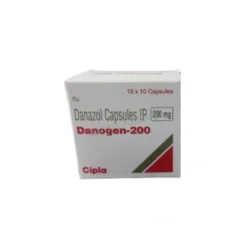
Women's Health

Women's Health

Women's Health

Sildenafil Citrate

Women's Health
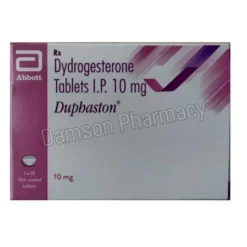
Women's Health
Used For
Women use this category of supplements for variety of reasons, most of which are directly related to specific age or condition rather than general health concerns:
- Healthy pregnancy is ensured by intake of folic acid and iron.
- Replenish iron lost during heavy menstrual periods.
- Protect bone density after decline in estrogen levels following menopause.
- Addressing nutritional deficiency in vegetarian or other restrictive diets.
- Supporting energy levels and recovery in athletic or highly active women.
- Maintaining nerve and bone health in women over 50.
Working
The way these products work is much simpler than marketing campaigns suggest. These formulas work by providing a concentrated, targeted dose of what the body is lacking. Standard prenatal vitamins contain 400 - 800 micrograms of folic acid plus extra dose of iron both are directly linked to low neural tube defects and pregnancy related anemia.
Menopausal supplements rely on calcium and vitamin D as slowing bone regeneration processes need boosting with declining estrogen levels. Some formulas add phytoestrogens to help balance hormones. B-complex vitamins and omega-3 fatty acids often support energy production and cardiovascular function. Formulas containing magnesium or zinc play important roles in muscle function and immune support.
There is no immediate change, iron gradually rebuilds red blood cells, calcium strengthens bones over months rather than days and hormones supporting herbs to work over similar time frames. This steady growth mechanism is precisely because consistency is more important than any single dose and skipping days weakens overall effect more than people expect.
How Long Does It Last?
The time it takes for nutrients to return to normal varies depending on the specific nutrients and elements your body was initially deficient in, but some patterns apply to most products in this category:
- It takes three months or more to fully rebuild nutrient stores, especially iron.
- Changes in hair, skin or nails take several months of regular use.
- Bone density support from calcium and vitamin D gradually increases over several months.
- Some women continue taking calcium or vitamin D long term, particularly for ongoing prevention of osteoporosis.
- Mild deficiency symptoms may subside within two to three weeks of starting iron or B vitamin supplements.
Interactions
These supplements combine several active ingredients checking for drug interactions, is just as important as checking for prescribed medications. Dietary supplements work on their own once ingested. Herbal Medicine accelerates the breakdown of birth control pills, antidepressants and blood thinners, often making them significantly less effective.
Grapefruit juice alters how the liver processes statins and many common heart medications, sometimes leading to higher than desired drug levels in the body. Tell your doctor and pharmacist about every supplement you take, not just prescribed medications, as combinations may conceal ingredients you wouldn't consider mentioning.
For a deeper look at how specific nutrients might interact with medications, the Office of Dietary Supplements at the National Institutes of Health maintains detailed and regularly updated fact sheets that are worth bookmarking before starting anything new.
Precautions
Little caution at the beginning prevents most problems here are some basics to keep in mind before and during use:
- Consult a doctor before starting anything new especially if a patient has any health conditions.
- Keep updated list of all drugs and medications patients are currently taking.
- Consult gynecologist before use if women are pregnant, breastfeeding or planning to become pregnant.
- Stop taking supplements 2 - 3 weeks before any scheduled surgery to avoid bleeding complications.
- Stick to dosage indicated on the package exceeding it increases the risk of side effects without any added benefit.
- Read the ingredient list if patients have allergies to soy, shellfish or tree nuts.
Storage
Store drugs in a cool, dry place between 15 - 25 degrees Celsius. Keep drugs in a kitchen cupboard or bedroom and away from steam and heat. Do not keep it on a bathroom shelf although this is a common practice. Make sure the containers are tightly closed to prevent moisture from seeping in and avoid placing them on windowsills or in hot cars.
Refrigerate drugs if instructed to do so. Liquid formulations and gummy candies are sensitive to heat and humidity than regular drugs so they require care. Check expiry date before use and do not use expired or discolored drugs, rather than risking reduced effectiveness or spoilage. Keep all drugs out of the reach of children at all times.