
Top 10 Frequently Asked Questions About Retin A Creams


Jun
Skin care is essential; the sooner you start working on this, the better it is for you. Having a good skincare routine and using the right products can save you from aging effects on your face. Retin A Creams are something that most dermatologist refer to their patients and are great for most skin conditions.
It is possible that you haven’t heard about Retin A yet, especially if you don’t pay attention to your skin. Hence, in this article, we will answer 10 of the most frequently asked questions about Retin A so you will know all about this product before using it.
What Is Retin-A Cream?
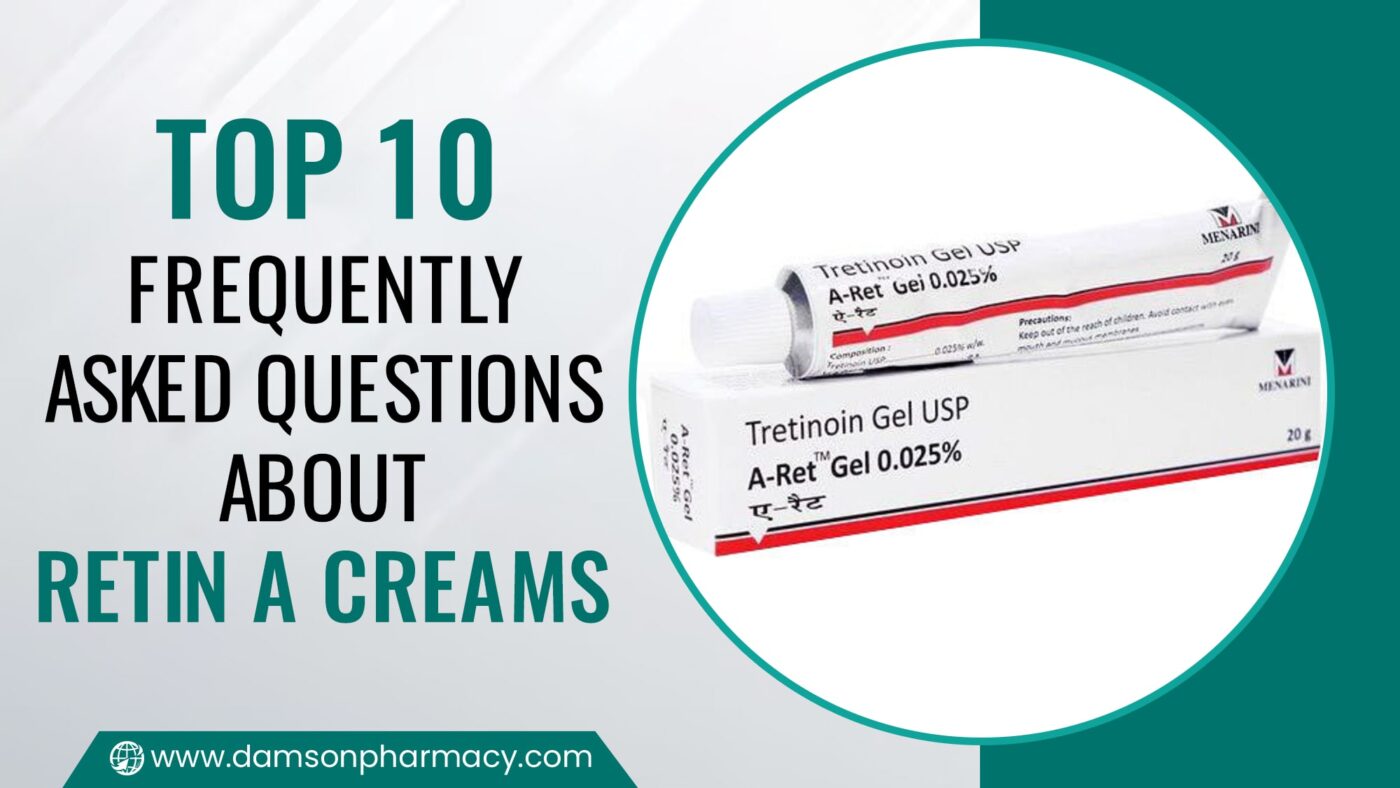
Retin-A is a brand of topical tretinoin, a retinoid derived from vitamin A. Tretinoin is used primarily to treat acne and may also be prescribed for certain photoaging-related skin changes. Tretinoin is a topical retinoid that affects skin-cell turnover and is primarily used in the treatment of acne. This product also sells under the name of antiaging cream because of its amazing results against wrinkles and dull skin.
Topical tretinoin is an established treatment for acne and is also used for certain other dermatologic conditions under medical supervision.
Most Frequently Asked Questions about Retin A Creams
Any product someone hasn’t heard about raises concerns and questions; the same happens with Retin A. A Ret tretinoin Gel 0.05 is a common cream, but most patients don’t know enough about it yet. So, we have answered 10 frequently asked questions about this cream below.
1. What is the Primary Use of Retin A?
Retin-A (tretinoin) is primarily used to treat acne. It helps normalize the shedding of skin cells within hair follicles, preventing clogged pores and reducing the formation of new acne lesions.
2. What are the Effects of Retin A?
Tretinoin can improve acne and, when prescribed for photoaging, may gradually improve the appearance of fine lines, uneven skin texture, and some pigmentation changes. Results vary between individuals and usually develop gradually rather than immediately.
3. What is the Right Way to Apply Retin A Cream?
Apply a thin layer of tretinoin to clean, dry skin as directed by your healthcare professional, usually in the evening. Avoid the eyes, lips, corners of the nose, and irritated or sunburned skin. Use only the amount prescribed or recommended.
4. What are the Available Doses of Retin A?
Topical tretinoin is available in different strengths and formulations, including creams and gels. The appropriate strength and formulation depend on the condition being treated, the individual’s skin sensitivity, and the healthcare professional’s assessment.
5. Is Sunscreen Important while Using Retin A?
Skin protection from the sun becomes a necessity when we apply the Retin A Cream. The skin is much more sensitive after applying this product, and experts suggest using at least 30 SPF sunscreen for facial protection. Hence, yes, using sunscreen during Retin A cream is very important.
6. Why Retin A Creams Cause Irritation?
Many patients see a very common problem with Retin A Cream, which is irritation on the skin. Dryness, redness, peeling, scaling, and irritation are common during the early stages of topical tretinoin treatment, particularly when the skin is adjusting. If irritation is severe, persistent, or worsening, contact a healthcare professional. As you apply a new product to your skin, it will take time to adapt to new components.
You might get redness and irritations on your skin, but this will go away. It is recommended to apply a very small amount initially so the skin doesn’t get too irritated.
7. Is Retin A for Long Use?
Patients usually ask whether they can use the Retin A Cream for a long time or not. Tretinoin may be used for extended periods when prescribed and tolerated, but the appropriate duration depends on the condition being treated and the individual’s response. Long-term use should follow a healthcare professional’s advice. Instead of applying too much of the product, just be consistent with applications for a long time, and you will see massive improvement.
8. Do I Need a Prescription for Retin A Creams?
Whether topical tretinoin requires a prescription depends on the country and formulation. Check local regulations and consult a healthcare professional or pharmacist before purchasing or using it.
9. Is Retin A Right for Everyone?
Tretinoin is not suitable for everyone. People with significant skin irritation, certain skin conditions, or those using other topical medicines should discuss treatment with a healthcare professional before starting it. Tell your clinician about all medicines and skincare products you use.
10. Can Retin A Cause a Side Effect?
Retin A Cream is considered a very safe product, but it still may cause some side effects, which patients should be aware of. Common effects of topical tretinoin can include dryness, redness, peeling, scaling, burning, stinging, and skin irritation, especially when treatment begins. Severe or persistent reactions should be discussed with a healthcare professional.
There are some other Questions comes in mind. Let’s clear that out.
Can Retin-A Be Used During Pregnancy?
Tretinoin should generally be avoided during pregnancy. If you are pregnant, planning pregnancy, or become pregnant while using tretinoin, speak with your healthcare professional about whether treatment should be stopped.
If you are breastfeeding, ask your healthcare professional whether topical tretinoin is appropriate before using it.
Can I Use Other Skincare Products With Retin-A?
Some skincare products can increase irritation when used with tretinoin. Ask a healthcare professional before combining tretinoin with products containing benzoyl peroxide, salicylic acid, sulfur, resorcinol, or strong exfoliating ingredients.
How Long Does Retin-A Take to Work?
Tretinoin does not produce immediate results. Acne may take several weeks to improve, while improvements in fine wrinkles can take several months. Consistent use as directed is important.
Can Retin-A make acne worse at first?
Some people may notice increased irritation or a temporary change in their skin when starting tretinoin. Severe or worsening acne should be discussed with a dermatologist rather than assuming it is normal.
Can I use Retin-A every night?
Tretinoin is commonly used once daily, but your healthcare professional may recommend starting less frequently if your skin is sensitive or irritated. Follow the prescribed schedule rather than increasing use on your own.
Does Retin-A permanently remove wrinkles?
No. Tretinoin may reduce the appearance of fine wrinkles over time, but it does not permanently remove wrinkles or reverse all sun damage.
Is Retin-A the Same as Retinol?
No. Retin-A contains tretinoin, a prescription retinoid, while retinol is a different vitamin A derivative commonly found in over-the-counter skincare products.
Conclusion
Retin-A (tretinoin) is an established topical retinoid primarily used for acne and may also be prescribed for certain photoaging-related skin concerns. Because it can cause irritation and may not be appropriate for everyone, use it according to a healthcare professional’s instructions and protect your skin from excessive sun exposure.
If you have been prescribed tretinoin, you can view available Retin-A/tretinoin products at Damson Pharmacy and check the available strengths and formulations.
References
Acknowledgment:
Damson Pharmacy only refers to credible, authoritative sources for our content. If you’re curious about how we ensure the integrity of our content, we encourage you to read our Content Information Policy.
