
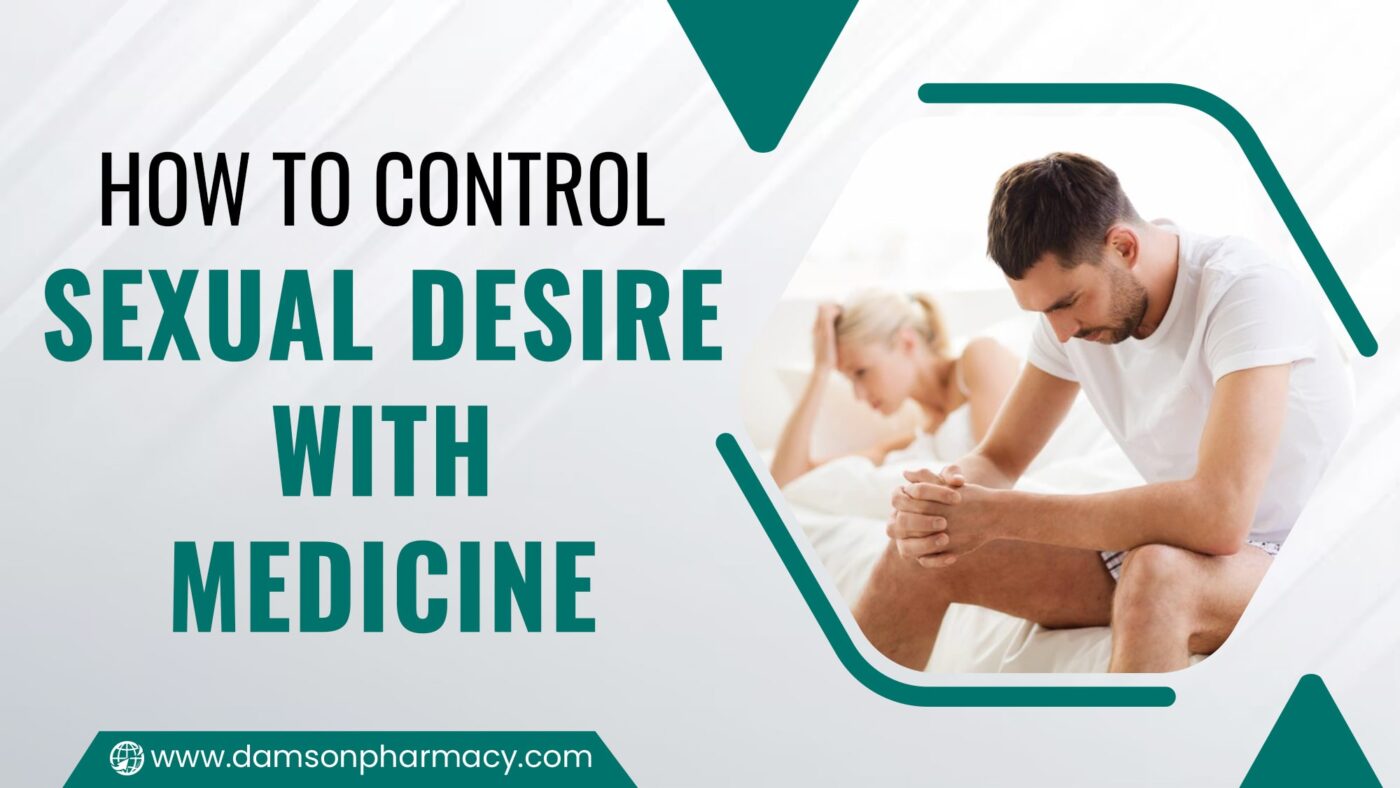
How to Control Sexual Desire with Medicine


Jan
Sexual desire is a normal part of human health, but some people experience persistent sexual urges or thoughts that feel difficult to control and interfere with daily life. In certain circumstances, medicines may help manage these urges, particularly when they are associated with a specific mental health condition or compulsive sexual behaviour.
However, there is no single medicine suitable for everyone who wants to reduce sexual desire. Treatment depends on the underlying cause, the severity of the problem, medical history, and potential side effects. A high sex drive alone does not necessarily indicate a medical condition or require medication.
Understanding the available treatment approaches can help people discuss their concerns with a qualified healthcare professional and choose a safe, appropriate way forward.
Can Medicine Help Control Sexual Desire?
Yes, certain medicines can affect sexual desire, sexual thoughts, or impulse control. However, their use depends on why someone is experiencing unwanted or difficult-to-control sexual urges.
For some people, treatment may involve medication for an underlying condition, such as depression, obsessive symptoms, or a mood disorder. In selected cases of compulsive sexual behaviour, clinicians may consider medicines that influence serotonin signalling or reward-related pathways.
Medication is not always necessary. Psychological therapy and behavioural strategies may be sufficient for some people, while others benefit from a combination of approaches.
High Sex Drive Versus Compulsive Sexual Behaviour
A high libido means having a strong interest in sexual activity. This can be a normal individual variation and does not automatically require treatment.
Compulsive sexual behaviour involves persistent difficulty controlling repetitive sexual impulses or behaviour, often despite negative consequences. It may interfere with relationships, work, finances, or emotional well-being.
The distinction is important because treatment should address distress, impaired control, or an underlying condition rather than attempt to suppress normal sexuality unnecessarily.
When Treatment May Be Appropriate
Professional assessment may be helpful when sexual thoughts or urges:
- Consistently interfere with work, relationships, sleep, or daily responsibilities.
- Feel difficult to control despite repeated attempts to change the behaviour.
- Lead to significant emotional distress or repeated harmful consequences.
- Appear alongside unusual mood changes or other mental health symptoms.
- Begin suddenly after starting a medicine or changing a dose.
A healthcare professional can help identify the cause and determine whether medication, therapy, or another intervention is appropriate.
Which Medicines May Help Reduce Sexual Urges?
Several medication categories may influence sexual desire or help manage compulsive sexual behaviour in selected circumstances. Their effectiveness and safety vary, and some uses are off-label, meaning the medicine is prescribed for a purpose other than its formally approved indication.
Antidepressants and SSRIs
Selective serotonin reuptake inhibitors (SSRIs) are antidepressants that increase the availability of serotonin in the brain. Examples include sertraline, fluoxetine, and escitalopram.
These medicines are primarily used to treat conditions such as depression and certain anxiety disorders. They can also cause sexual side effects, including reduced libido, delayed orgasm, or difficulty reaching orgasm.
In selected cases, a clinician may consider an SSRI to help manage compulsive sexual thoughts or behaviour, particularly when other relevant symptoms are present. However, the evidence for this use is limited, and results vary between individuals.
SSRIs should not be taken solely to suppress sexual desire without medical guidance. Potential adverse effects include nausea, sleep changes, emotional changes, and sexual dysfunction. They can also interact with other medicines, and stopping them abruptly may cause withdrawal symptoms.
Naltrexone in Selected Cases
Naltrexone is a medicine primarily used in the treatment of alcohol use disorder and opioid use disorder. It acts on opioid receptors involved in the brain’s reward pathways.
Some clinicians may consider naltrexone off-label for selected people experiencing compulsive sexual behaviour, particularly when urges appear connected to reward-seeking patterns. However, research in this area remains limited, and it is not a standard treatment for simply having a high sex drive.
Naltrexone can cause nausea, headache, or dizziness and may affect liver function. It also blocks opioid medicines, which can complicate pain management. It must not be started without a clinician reviewing opioid use, liver health, and other relevant medical factors.
Mood Stabilisers When an Underlying Condition Is Present
Strong sexual urges can sometimes occur during mania or hypomania, particularly in people with bipolar disorder. Other symptoms may include reduced need for sleep, unusually elevated or irritable mood, racing thoughts, and impulsive decision-making.
When increased sexual behaviour is part of a mood episode, treatment focuses on the underlying condition. A clinician may prescribe appropriate mood-stabilising or other psychiatric medication depending on the diagnosis.
These medicines are not general libido-reducing treatments. Their selection requires an individual assessment, and some can have significant adverse effects or require blood tests and ongoing monitoring.
A sudden increase in sexual urges accompanied by markedly reduced sleep, unusually high energy, or risky behaviour warrants prompt medical assessment.
Anti-Androgens and Other Hormone-Related Treatments
Androgens, including testosterone, contribute to sexual desire. Certain medicines that reduce androgen activity can lower libido, but they can also affect bone health, mood, fertility, sexual function, and other aspects of physical health.
Hormone-suppressing treatments are not routine options for people who simply want a lower sex drive. In specific specialist-managed circumstances, such treatments may be considered for particular diagnoses or substantial risks, following careful assessment and informed consent.
The potential harms can be considerable. These medicines should never be used independently or obtained for the purpose of suppressing sexual desire without appropriate medical supervision.
Get Up to 90% off on Medicines
Sildenafil Citrate

Tadalafil & Dapoxetine

Sildenafil Citrate

Sildenafil Citrate
How Do Medicines Affect Sexual Desire?
Different medicines influence sexual function through different mechanisms. Their effects depend on the drug, dose, individual biology, and underlying condition.
Effects on Serotonin and Sexual Thoughts
Serotonin is a neurotransmitter involved in mood, anxiety, and several behavioural processes. Medicines that affect serotonin signalling can influence sexual interest, arousal, and orgasm.
For example, SSRIs can reduce sexual desire in some people. In selected clinical situations, their effects on intrusive thoughts or compulsive behaviour may also be relevant to treatment.
However, reduced libido is not a predictable or desirable outcome for every patient. A medication may cause unwanted sexual side effects without adequately addressing the thoughts, emotions, or behaviours that are causing distress.
Effects on Reward, Motivation, and Impulse Control
Reward-related brain pathways help regulate motivation, learning, and responses to pleasurable experiences. Medicines that affect these pathways may be considered in selected cases of compulsive behaviour.
Naltrexone, for example, affects opioid receptors involved in reward signalling. Its potential use for compulsive sexual behaviour is still supported by limited evidence, so treatment decisions should be individualised.
It is important not to assume that sexual desire is caused by a single brain chemical. Sexual behaviour is influenced by biological, psychological, social, and environmental factors.
Why Treatment Results Vary
The same medicine can affect two people differently. One person may experience reduced sexual desire, while another may notice little change or experience other side effects.
Results can depend on the underlying diagnosis, other medicines, hormone levels, stress, sleep, and general health. A clinician may need to monitor symptoms and adjust a treatment plan over time.
The aim should be to improve control and well-being while avoiding unnecessary suppression of normal sexual function.
What Causes Strong or Difficult-to-Control Sexual Urges?
Before considering medication, it is important to understand what may be contributing to the problem. Strong sexual desire does not always have a medical cause, and unwanted urges can arise for different reasons.
Psychological and Emotional Factors
Stress, loneliness, anxiety, relationship difficulties, and emotional distress can influence sexual thoughts and behaviour. Some people may use sexual activity or pornography as a way of coping with difficult feelings, even when the pattern later becomes distressing.
Identifying emotional triggers can help a person understand when urges occur and what situations make them harder to manage.
Mental Health Conditions and Impulse Control
Compulsive sexual behaviour may occur alongside other mental health concerns. Bipolar disorder can involve increased sexual activity during manic or hypomanic episodes, while anxiety, depression, and obsessive symptoms may influence how people experience or respond to sexual thoughts.
These conditions require different approaches to assessment and treatment. Persistent sexual thoughts alone do not establish a psychiatric diagnosis.
Medicines, Substances, and Other Medical Causes
Certain medicines and substances can change sexual behaviour or impulse control. For example, dopamine-related medicines used for some neurological conditions have been associated with impulse-control problems in some patients.
Substance use, sleep disruption, and other medical or neurological factors may also be relevant. If sexual urges change suddenly after starting a medicine, changing a dose, or developing other symptoms, tell a healthcare professional.
Do not stop a prescribed medicine abruptly. A clinician can assess whether the treatment may be contributing and whether a safe alternative is available.
Can You Control Sexual Desire Without Medicine?
Yes. Depending on the cause and the level of distress, psychological and behavioural approaches may help people manage sexual urges without medication or alongside medical treatment.
Cognitive Behavioural Therapy and Counselling
Cognitive behavioural therapy (CBT) can help people recognise patterns of thought, identify triggers, and develop more effective responses to unwanted urges.
Counselling may also help address anxiety, relationship difficulties, shame, or emotional distress associated with sexual behaviour. Treatment should be respectful and non-judgmental, recognising that normal sexual desire is not itself a problem.
Identifying Triggers and Changing Behavioural Patterns
Keeping track of when urges occur may help reveal patterns linked to stress, boredom, particular online content, or specific situations.
Depending on individual needs, useful strategies may include setting boundaries around triggering activities, reducing access to content that encourages unwanted behaviour, planning alternative activities, and practising ways to pause before acting on an urge.
The goal is to improve choice and control rather than eliminate all sexual thoughts.
Managing Stress, Sleep, and Daily Routines
Regular sleep, physical activity, stress management, and meaningful daily activities can support emotional regulation and general well-being.
These measures are not guaranteed to reduce libido, but they may help when urges are connected to stress, boredom, disrupted routines, or mood difficulties. They can also complement professional treatment.
Side Effects and Risks of Medicines That Reduce Sexual Desire
Medicines that affect sexual function can have benefits in selected circumstances, but they also carry risks. Their safety depends on the particular drug, dosage, other medicines, and individual health.
Changes in Libido, Arousal, and Orgasm
Some antidepressants can reduce sexual desire, delay orgasm, or make orgasm difficult. Other medicines may affect arousal, erection, or hormonal function.
These effects can be distressing and may persist for some people even after treatment changes. Discuss any sexual side effects with the prescribing clinician rather than adjusting the dose yourself.
Mood Changes and Other Medication-Specific Risks
Different drug classes have different safety concerns. Naltrexone can interfere with opioid pain medicines and may require liver monitoring. Mood stabilisers can have important organ-related or metabolic risks, depending on the medicine. Hormone-suppressing treatments may affect bone health, fertility, and mood.
No medication should be chosen solely because it can lower libido as a side effect. The likely benefits, risks, and alternatives need to be considered together.
Why Medical Supervision Is Essential
A clinician can review symptoms, medical history, current medicines, and possible underlying conditions before recommending treatment. Depending on the circumstances, assessment may involve a primary care clinician, psychiatrist, psychologist, or another relevant specialist.
Avoid unverified libido-suppressing products and do not combine medicines without professional advice. If a treatment causes severe mood changes, an allergic reaction, or other concerning symptoms, seek prompt medical help.
When Should You Seek Professional Help?
Consider professional support if sexual urges feel uncontrollable, repeatedly interfere with daily life, or lead to distress or harmful consequences. You do not need to wait until the situation becomes severe to ask for help.
Sexual Urges That Interfere With Daily Life
A healthcare professional can help assess whether the issue involves normal variation in sexual desire, compulsive behaviour, medication effects, or another condition.
The aim is to develop a treatment plan that supports control and quality of life without unnecessary harm to sexual health.
Sudden Changes in Sexual Behaviour
A sudden, marked increase in sexual urges, particularly when accompanied by unusually elevated or irritable mood, very little need for sleep, racing thoughts, or risky decisions, may require prompt assessment for a mood episode or another medical cause.
If the change begins after a medicine is started or adjusted, tell the prescribing clinician as soon as possible.
Finding the Right Healthcare Professional
A primary care clinician can often begin the assessment and refer you to a mental health professional or specialist when needed. Be open about your symptoms, their impact, and any medicines or substances you use.
Seeking help for unwanted sexual urges is a health decision, not a reason for shame. A suitable plan can focus on safety, improved self-control, and the underlying cause.
Frequently Asked Questions
Is there a medicine that reduces sexual desire?
Some medicines can reduce sexual desire or help manage compulsive sexual behaviour in selected circumstances. However, no single medicine is appropriate for everyone, and treatment depends on the underlying cause. A clinician should assess whether medication is necessary.
Can antidepressants lower sex drive?
Yes. Antidepressants, particularly SSRIs, can reduce libido or cause delayed orgasm in some people. They may also be considered off-label in selected cases involving compulsive sexual behaviour. They should only be used under appropriate medical supervision.
Can high libido be a sign of a medical condition?
A high sex drive alone is not usually a sign of illness. However, a sudden increase in sexual urges accompanied by reduced sleep, unusual mood changes, impulsivity, or significant disruption to daily life may warrant medical assessment.
Are medicines that suppress testosterone safe?
Hormone-suppressing treatments can have significant adverse effects, including effects on bone health, fertility, mood, and sexual function. They are not routine treatments for high libido and should only be considered for specific clinical reasons under specialist supervision.
Can sexual urges be managed without medication?
Yes. Depending on the circumstances, CBT, counselling, identifying triggers, and changing behavioural patterns may help. Some people benefit from these approaches alone, while others may need treatment for an underlying condition.
Conclusion
Medicines can sometimes help people manage persistent, difficult-to-control sexual urges, but the right approach depends on the underlying cause. SSRIs, naltrexone, mood stabilisers, and hormone-related treatments have different indications, levels of evidence, and safety considerations. None should be used independently simply to suppress normal sexual desire.
Psychological therapy, behavioural strategies, and treatment of an underlying medical or mental health condition may be equally important. If sexual urges cause significant distress or interfere with everyday life, consult a qualified healthcare professional to discuss safe and appropriate options.
At Damson Pharmacy, we recognise the importance of reliable health information that helps readers understand treatment options and make informed decisions with qualified healthcare professionals.
References
Acknowledgment:
Damson Pharmacy only refers to credible, authoritative sources for our content. If you’re curious about how we ensure the integrity of our content, we encourage you to read our Content Information Policy.
