
Pulmonary Arterial Hypertension(PAH): Symptoms, Causes and Treatment


Medically Reviewed by Damson Pharmacy Medical Review Board
-
Published on: december 1, 2025
-
Last Updated: june 29, 2026
Dec
The arteries that bring blood from the heart to the lungs have high blood pressure in people with pulmonary arterial hypertension (PAH).
This is a rare but serious disease. Systemic hypertension affects the whole circulation system, but PAH only affects the pulmonary arteries, which puts a lot of stress on the heart.
If you don’t treat this long-term problem, it can turn into heart failure, so it’s important to find and treat it as soon as possible.
Pulmonary Arterial Hypertension has symptoms, causes, and treatments that all patients, careers, and healthcare workers need to know about.
Understanding Pulmonary Arterial Hypertension
Lung small arteries can get damaged, blocked, or narrowed, making it harder for blood to move. This makes the right side of the heart work harder to pump blood through the lungs.
Over time, this extra stress can make the heart weaker, which can lead to right heart failure and less blood getting to the body.
The condition can get worse over time, and the first signs are often not very noticeable, which makes it hard to find early.
People are often given drugs like Sildenafil to help relax the pulmonary vessels, increase blood flow, and make the heart’s job easier.
Symptoms of Pulmonary Arterial Hypertension
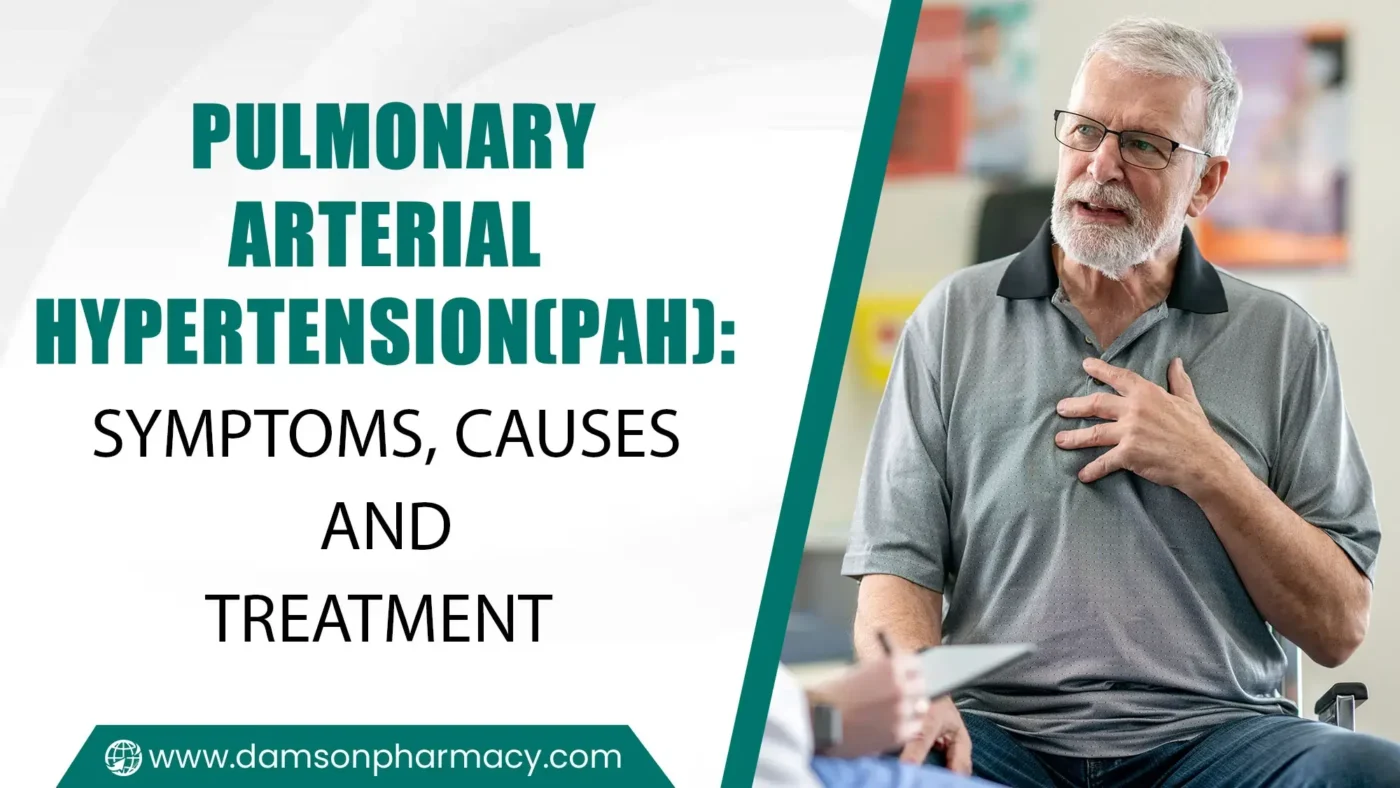
Pulmonary Arterial Hypertension signs often come on slowly, and at first, people may think they are just the result of getting older or not being fit enough. Having trouble breathing is the most usual sign, especially when you’re active.
People also often say they feel tired and weak because their hearts are having trouble keeping up with the blood flow. People may feel pain or pressure in their chest, which they often describe as tightness or discomfort when they work out.
Other important signs are feeling dizzy, passing out (syncope), having heart palpitations, and swollen feet, legs, or abdomen from too much fluid buildup.
Some people may also have cyanosis, which is a blue colouration of the lips or skin that means they don’t have enough oxygen.
It is very important to notice these early signs because they often come before more serious problems.
PDE5 Inhibitors are one type of treatment that can help open the pulmonary arteries, improve blood flow, and ease the stress on the heart. This makes it even more important to act quickly.
Causes of Pulmonary Arterial Hypertension
- Pulmonary Arterial Hypertension can have an idiopathic cause, which means it happens for no known reason.
- The exact cause changes from person to person. Some gene changes can make people more likely to get PAH, so genetics also play a part.
- Some people with this condition also have other health problems, like scleroderma or lupus, heart flaws that happen at birth, liver disease, or long-term lung diseases like chronic obstructive pulmonary disease (COPD).
- Some medicines and chemicals have also been linked to the growth of PAH. Some examples are drugs that make you feel full, certain drugs used in treatment, and stimulants.
- Lifestyle choices like smoking can also make the situation worse, but they are not the main causes.
- Finding the main causes is important for coming up with a good treatment plan and stopping the disease from getting worse.
- Some new treatments and changes to how you live may have extra benefits, like Slows Down Aging, which improves heart health and lowers toxic stress in the body.
Diagnosing Pulmonary Arterial Hypertension
To diagnose this problem, a doctor must look at the patient, take pictures, and do other specialised tests.
Doctors usually start by looking at your medical history and doing a physical check. They are looking for signs like heart murmurs or swelling in your limbs.
Echocardiography is often used to find out how well the heart is working and to measure the pressure in the pulmonary arteries.
Right heart catheterization, which accurately measures blood flow in the pulmonary arteries, and pulmonary function tests, which check lung capacity, may be needed for more tests to fully diagnose the problem.
X-rays, blood tests, and computed tomography (CT) scans can help rule out other conditions and find possible reasons that are deeper.
During the evaluation, doctors may also look at related symptoms like Types of Headaches, which can happen when the heart is under a lot of stress or when oxygen levels are low.
An early and correct identification is very important because it lets you start treatment right away, which can slow the disease down and make life better.
Treatment Options for Pulmonary Arterial Hypertension
Medications for Symptom Management
While Arterial Hypertension is a chronic condition with no universal cure, medications are central to managing symptoms, improving heart and lung function, and enhancing life expectancy. Commonly prescribed drugs include:
- Vasodilators: Relax blood vessels and reduce pressure in the pulmonary arteries.
- Prostacyclin Analogs: Improve blood flow and reduce strain on the heart.
- Endothelin Receptor Antagonists: Help lower pulmonary artery pressure.
- Phosphodiesterase-5 Inhibitors: Promote vasodilation and enhance exercise capacity.
Oxygen Therapy and Supportive Care
People whose blood oxygen levels are low should get oxygen treatment. It helps with tiredness and shortness of breath and is good for your heart in general. You can use diuretics to control how much fluid you retain, and anticoagulants to stop blood clots, which can happen if you have PAH.
Changes in Lifestyle
Making changes to your lifestyle can help your medical care. Some of these are eating a balanced diet, not eating too much salt, getting modest exercise, and not smoking or doing other things that hurt heart and lung function. Some changes to your lifestyle and exercise routines may also have extra benefits, like a Testosterone Boost that can help boost your energy, muscle strength, and general health.
Surgical Interventions for Advanced Cases
For patients who do not respond adequately to medications, surgical options may be considered. These include:
- Lung Transplantation: Replaces the diseased lungs with healthy donor lungs.
- Atrial Septostomy: Creates an opening between heart chambers to relieve pressure on the right heart
Individualized Treatment Plans
The type of treatment chosen depends on how bad the disease is, what causes it, and the person’s general health. For best results, you need to keep an eye on things and check in with an expert on a regular basis.
Living with Pulmonary Arterial Hypertension
Taking care of pulmonary arterial hypertension requires that patients and healthcare workers work together and keep an eye on the condition.
For stability, it’s important to get regular checkups, take medicines as directed, and be aware of any changes in symptoms.
Support groups and counselling can also help people deal with the difficulties of having a long-term illness by giving them social and mental support.
Patients can make better choices about their treatment, lifestyle changes, and daily activities when they know more about the disease.
Early diagnosis, quick treatment, and careful control can make people’s lives much better, cut down on hospital stays, and make them live longer.
Conclusion
Pulmonary arterial hypertension is a complicated disease that gets worse over time and puts a lot of stress on the heart and lungs.
For early diagnosis and good control, it’s important to know what the symptoms are, what causes them, and how to treat them.
Patients can have better results and a higher quality of life with the right medical care, changes to their lifestyle, and ongoing monitoring.
Even though there isn’t a fix for PAH, new medicines and ways of treating it are giving people hope and making it more likely that they can live longer, healthier lives.
Reference
Acknowledgment:
Damson Pharmacy only refers to credible, authoritative sources for our content. If you’re curious about how we ensure the integrity of our content, we encourage you to read our Content Information Policy.