
What Medication Slows Down Aging?


Jul
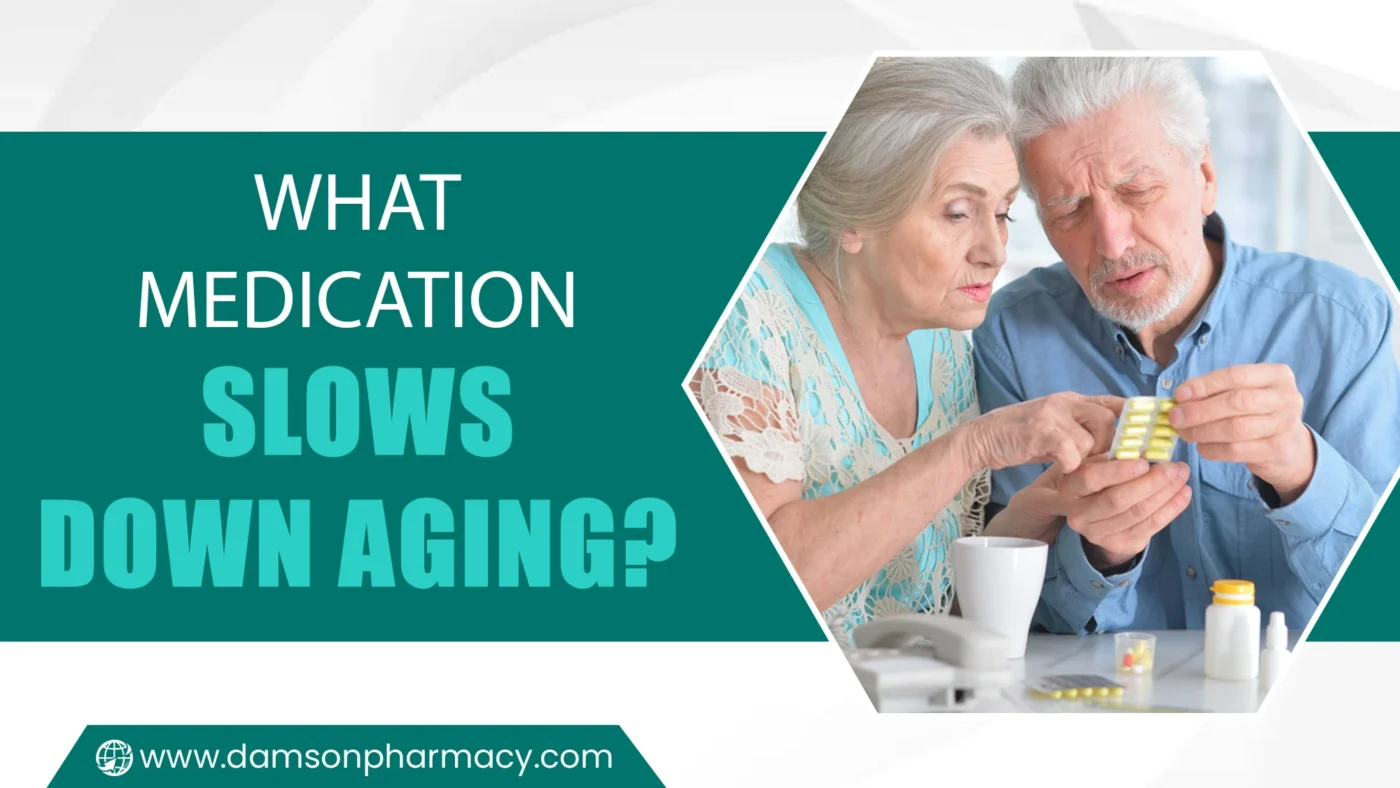
Aging is a natural biological process, and no medication has been proven to stop or reverse normal human aging. However, researchers are studying several medicines and biological pathways that may influence age-related changes, cellular health, and longevity.
Medications such as metformin and rapamycin have attracted significant research interest because they affect pathways involved in metabolism, cellular growth, and aging. However, most evidence for their potential anti-aging effects remains investigational, and they are not currently approved simply for extending lifespan in otherwise healthy people.
For healthy aging, established factors such as regular physical activity, balanced nutrition, adequate sleep, avoiding tobacco, and appropriate management of medical conditions remain more important than taking an unapproved anti-aging medication.
What Medications Are Being Studied for Healthy Aging?
Several medications are being investigated for their potential effects on biological aging and age-related disease. Two of the most discussed examples are metformin and rapamycin.
Metformin affects glucose metabolism and cellular energy pathways, while rapamycin influences the mTOR pathway, which regulates cell growth and metabolism. Research has produced interesting findings, particularly in laboratory and animal studies, but this does not mean these medicines are proven anti-aging treatments for healthy people.
At present, these medications should be used for their established medical indications rather than taken solely to extend lifespan unless they are being studied in an appropriate clinical research setting.
What Anti-Aging Medications Are Actually Proven to Work?
There is currently no medication approved specifically to stop or reverse normal human aging. Some medicines, including metformin and rapamycin, are being studied for their potential effects on aging-related pathways, but research has not established them as proven lifespan-extending treatments for healthy adults.
The strongest evidence for healthy longevity continues to support established measures such as regular physical activity, a nutritious diet, maintaining a healthy weight, avoiding tobacco, limiting alcohol, getting adequate sleep, and managing conditions such as high blood pressure, diabetes, and high cholesterol.
Get Up to 90% off on Medicines

Diabetes
Diabetes

Diabetes
Diabetes
Can Medication Replace a Healthy Lifestyle for Longevity?
No. Medications currently being studied for longevity cannot replace the established benefits of healthy lifestyle habits. Regular exercise, balanced nutrition, sufficient sleep, avoiding tobacco, maintaining a healthy weight, and managing chronic health conditions remain fundamental to healthy aging.
Some medications may help reduce the health risks associated with specific diseases, but they should be used for appropriate medical indications rather than as a substitute for healthy daily habits.
Aging and Medication Treatment: Effects and Reasons
1. Metformin – Caution Recommended
Metformin has attracted attention for its potential anti-aging effects, focusing on its ability to activate AMPK, which maintains the balance between cell health and metabolism. Some research suggests that metformin may play a role in slowing age-related decline, especially in people with certain disorders.
However, many doctors have advised caution when metformin is used only for age-related measures. For healthy people, the effect is limited and can cause several side effects, such as vitamin B12 deficiency and gastrointestinal discomfort. Medical guidelines are essential before considering metformin for longevity.
2. Rapamycin and Aging Research
Rapamycin is one of the most extensively studied drugs in the field of aging research. It inhibits the mTOR pathway, which plays an important role in cell growth, metabolism, and nutrient sensing. Researchers are interested in whether modifying this pathway could influence biological aging and age-related disease.
Studies in laboratory animals have produced promising results, including effects on lifespan and age-related health. However, these findings cannot be directly translated into proven lifespan extension in humans. Rapamycin can also cause significant adverse effects and drug interactions, so it should not be used as a general anti-aging medication without appropriate medical supervision.
Can Hormone Therapy Slow Aging?
Hormone therapy is not a general anti-aging treatment. Hormones such as testosterone, estrogen, and growth hormone have specific medical uses, but using them solely to slow normal aging has not been established as a safe or proven way to extend lifespan.
Hormone treatment may be appropriate for certain diagnosed conditions or deficiencies, but the benefits and risks vary between individuals. Anyone considering hormone therapy should discuss the potential benefits, contraindications, and long-term risks with a qualified healthcare professional.
Connection of Vitamins and Supplements That Slow Aging
Can Vitamin D Slow Aging?
Vitamin D is important for maintaining bone health, muscle function, and normal immune function, but it has not been proven to slow biological aging or extend lifespan in healthy people. Maintaining adequate vitamin D levels is important, particularly when deficiency is present, but taking more than the recommended amount does not necessarily provide additional anti-aging benefits.
Vitamin D supplementation should therefore be based on individual nutritional needs and medical advice rather than used as a general longevity treatment.
2. What Is the Most Anti‑Aging Supplement?
The best supplements, such as vitamins C, E, CoQ10, omega-3, curcumin, collagen, EGCG, and multivitamins, help increase the protection of antioxidants and promote cell health. These nutrients reduce oxidative stress, nourish the body, and contribute to healthy aging and vitality.
Evidence-Based Ways to Support Healthy Aging
There is no proven medication that can stop normal aging, but several habits can support healthy aging and reduce the risk of age-related disease:
- Stay physically active with regular aerobic and strength-building exercise.
- Eat a balanced diet rich in vegetables, fruits, whole grains, and other nutrient-dense foods.
- Maintain a healthy weight and manage blood pressure, blood glucose, and cholesterol.
- Get adequate, consistent sleep and seek medical advice for persistent sleep problems.
- Avoid tobacco and limit alcohol consumption.
- Keep recommended vaccinations and routine health screenings up to date.
- Take prescribed medications as directed to manage diagnosed health conditions.
These measures have a stronger established role in maintaining health and functional ability as people age than experimental anti-aging drugs.
Is There a New Pill for Anti-Aging?
There is currently no single pill proven to reverse normal aging or reliably extend human lifespan. Researchers are studying compounds and medicines that affect pathways involved in cellular energy, metabolism, inflammation, and aging, including rapamycin and compounds related to NAD metabolism.
These approaches remain under investigation, and promising laboratory or early clinical findings do not establish a treatment as an effective anti-aging medication. New longevity therapies should be evaluated according to evidence from well-designed human clinical trials.
Does Taking an Anti-Aging Pill Make You Look Younger?
No medication has been proven to reverse normal aging or reliably make a person look younger. Some treatments can improve specific medical conditions that affect energy, skin health, or overall appearance, but that is different from reversing biological aging.
Healthy nutrition, sun protection, regular exercise, adequate sleep, and appropriate medical care have a more established role in maintaining healthy skin and overall wellbeing as you age.
Can Some Medications Increase Age-Related Health Risks?
Some medications can cause adverse effects that become more important with long-term use or in older adults. The risks depend on the specific drug, dose, duration of treatment, and a person’s health.
For example, prolonged use of systemic corticosteroids can cause complications such as bone loss and metabolic changes, while some sedating or anticholinergic medicines can increase the risk of falls, confusion, or other problems in susceptible older adults. This does not mean these medicines should be stopped or avoided when medically necessary. Medication decisions should always be made with a healthcare professional.
Learn more about Medications and aging
Conclusion
To sum up, medications, supplements, and a healthy lifestyle with a precise mixture of all these things can slow down the aging process.
Damson Pharmacy is committed to finding scientifically supported solutions that slows down aging. With expert support and quality care, you can maintain energy, power, and well-being at every stage of your life.
Frequently Asked Questions
Is there a medication that can stop aging?
No. There is currently no medication proven to stop or reverse normal human aging. Drugs such as metformin and rapamycin are being studied for potential effects on aging.
Is rapamycin approved as an anti-aging treatment?
No. Rapamycin is being studied for its potential effects on aging, but it is not currently an approved treatment for extending lifespan in healthy people.
Can metformin slow aging in healthy people?
Metformin is being investigated for potential effects on aging, but there is not enough evidence to recommend it solely for longevity in healthy people.
What is the best way to slow biological aging?
There is no single proven anti-aging treatment. Regular exercise, balanced nutrition, adequate sleep, avoiding tobacco, and managing chronic health conditions are established ways to support healthy aging.
Are anti-aging supplements proven to extend lifespan?
No. Supplements such as vitamin D, CoQ10, and omega-3s may have specific health benefits, but they have not been proven to extend human lifespan simply by slowing biological aging.
Reference
Add Damson Pharmacy as a Preferred Source to see more of our trusted content across Google Search, AI Overviews, and AI Mode.
Acknowledgment:
Damson Pharmacy only refers to credible, authoritative sources for our content. If you’re curious about how we ensure the integrity of our content, we encourage you to read our Content Information Policy.
