
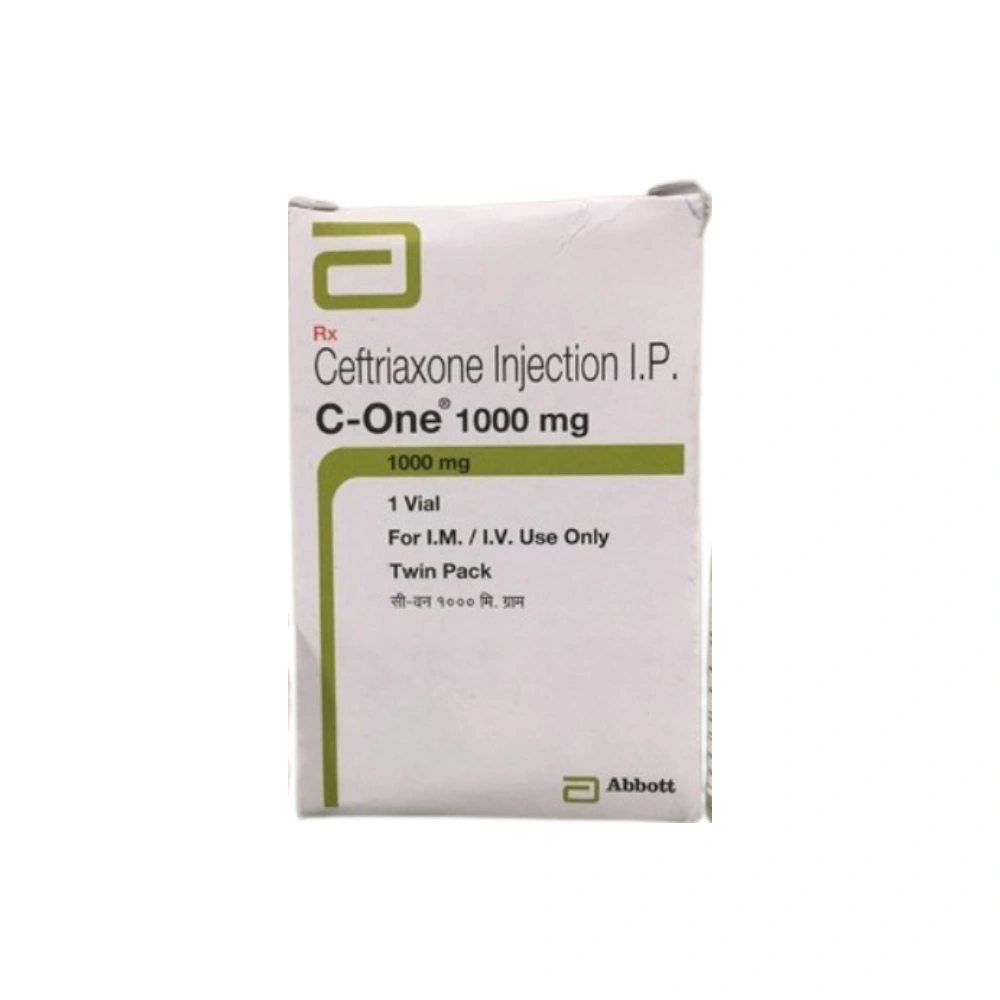
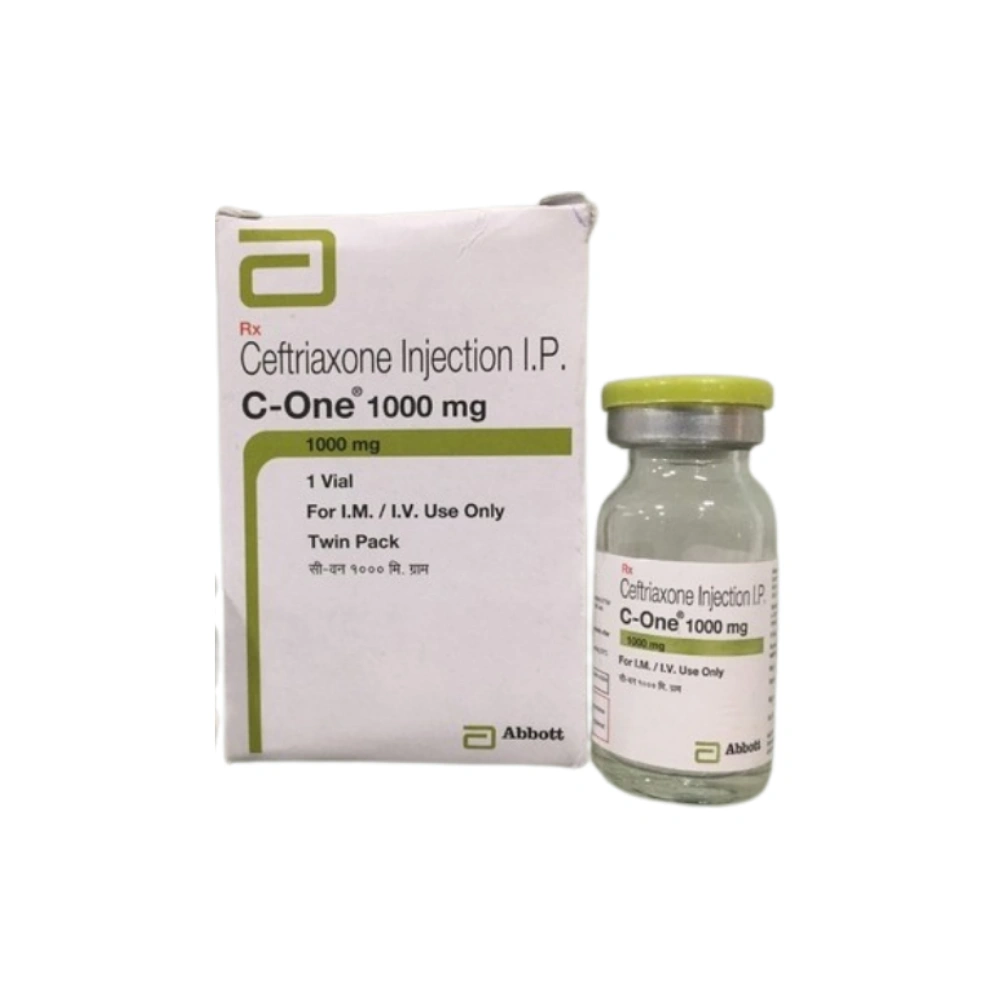
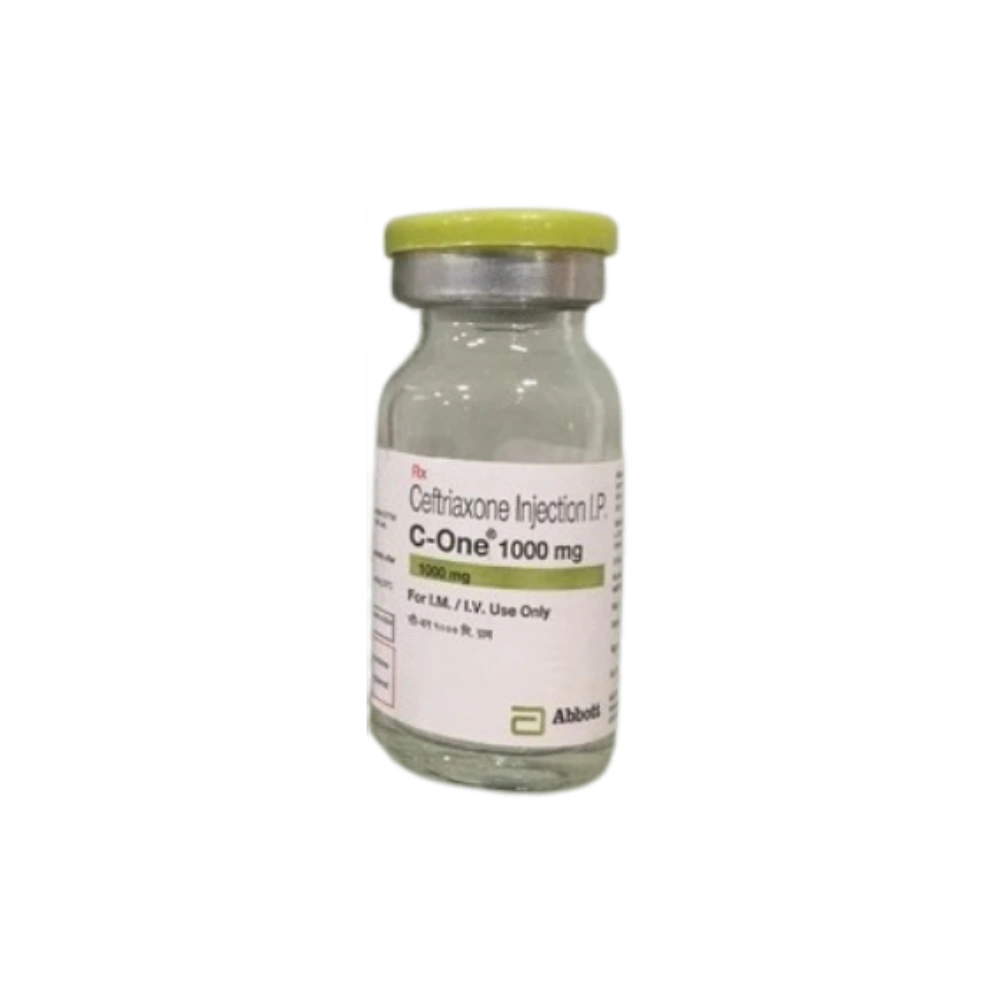
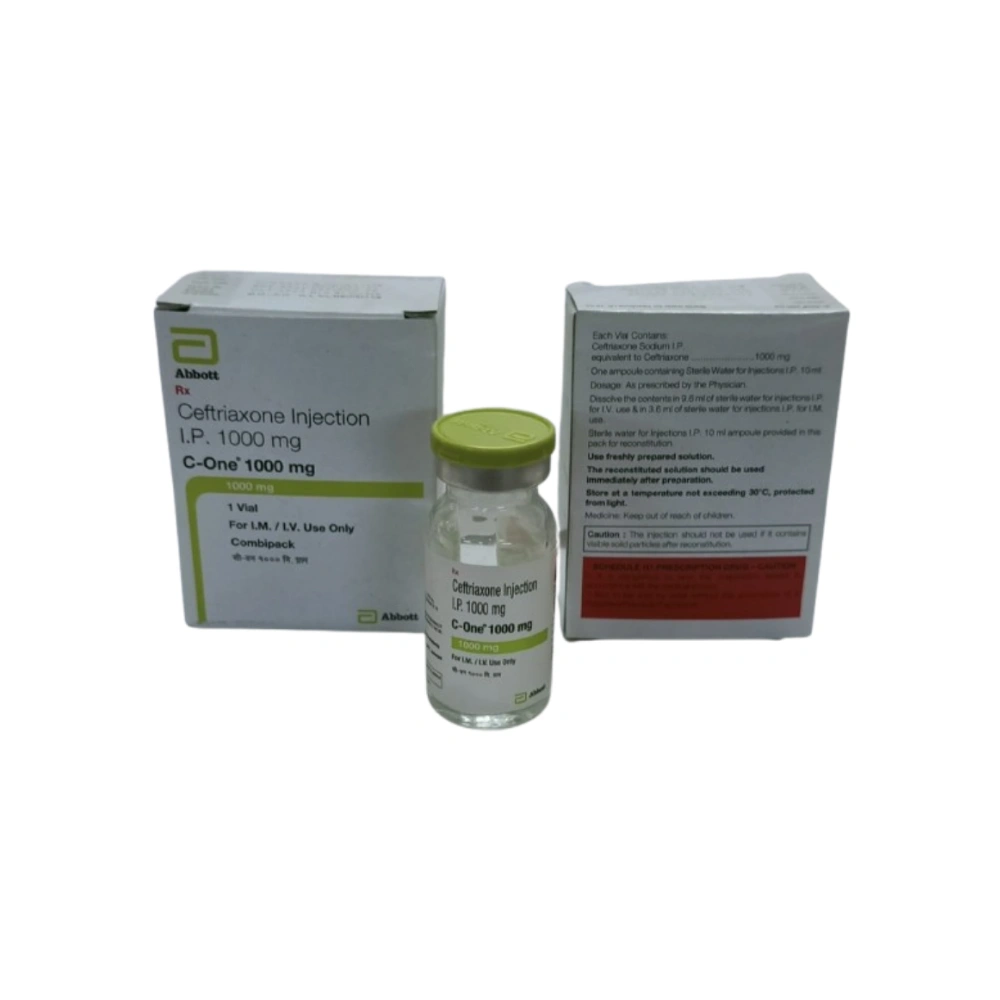
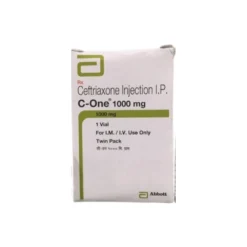
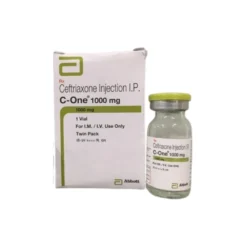
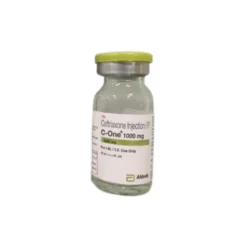
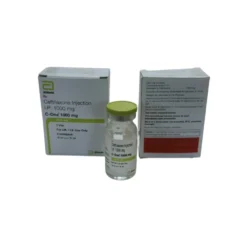
Ceftriaxone 1gm Injection
Price range: $60.00 through $150.00
| Pack Size | Price/Unit | Price | Quantity | |
|---|---|---|---|---|
| 3 Packs | $20.00/unit | $60.00 | ||
| 5 Packs | $18.00/unit | $90.00 | ||
| 10 Packs | $15.00/unit | $150.00 |
Looking for bulk / B2B pricing? |
Send Inquiry |
Availability : IN STOCK

Medically Reviewed by Damson Pharmacy Medical Review Board

Introduction to Ceftriaxone 1gm Injection
Ceftriaxone 1gm Injection is a broad-spectrum, third-generation cephalosporin antibiotic. It is administered parenterally to treat moderate to severe bacterial infections and works by inhibiting bacterial cell wall synthesis, ultimately leading to the destruction of susceptible microorganisms.
It is commonly prescribed for respiratory tract infections, urinary tract infections, meningitis, septicemia, skin and soft tissue infections, and pelvic inflammatory disease. It is also widely used for surgical prophylaxis and the treatment of Lyme disease and gonorrhea in clinical settings.
Ceftriaxone has a prolonged half-life of approximately 6 to 9 hours, allowing once-daily dosing in most adults. It penetrates well into body tissues and fluids, including cerebrospinal fluid. The drug is primarily excreted via bile and kidneys, making dose adjustments necessary in severe renal or hepatic impairment.
Uses of Ceftriaxone 1gm Injection
- Respiratory Tract Infections
- Bacterial Meningitis
- Urinary Tract Infections
- Intra-abdominal Infections
- Pelvic Inflammatory Disease
- Septicemia & Endocarditis
- Lyme Disease
Dosages of Ceftriaxone 1gm Injection
In adults, the standard dose of Ceftriaxone is 1gm to 2gm administered intravenously or intramuscularly once daily. For severe infections such as meningitis or septicemia, the dose may be increased to 4gm per day, divided into two equal doses every 12 hours.
For children, the recommended dose is 50 to 75 mg/kg/day once daily, not exceeding 2gm. In neonatal infections or meningitis, doses up to 100 mg/kg/day may be used. Dose adjustments are advised in patients with significant renal or hepatic impairment.
How Does Ceftriaxone 1gm Injection Works?
Ceftriaxone works by binding to penicillin-binding proteins (PBPs) located on the bacterial cell membrane. This binding blocks the final step of peptidoglycan synthesis, which is the structural component essential for bacterial cell wall integrity, ultimately weakening and destabilizing the wall.
With the cell wall compromised, bacteria become unable to maintain osmotic pressure, causing the cell to swell, rupture, and die. This bactericidal mechanism makes Ceftriaxone highly effective against a wide range of gram-positive and gram-negative pathogenic microorganisms responsible for serious infections.
As a third-generation cephalosporin, Ceftriaxone is resistant to many bacterial beta-lactamases, enzymes that normally destroy antibiotics. This stability ensures prolonged antimicrobial activity in the body, allowing effective tissue penetration, including into cerebrospinal fluid, and sustained action against resistant bacterial strains.
Side Effects of Ceftriaxone 1gm Injection
Common Side Effects
- Nausea & Vomiting
- Diarrhea
- Abdominal Discomfort
- Injection Site Reaction
- Skin Rash
- Drug Fever
Serious Side Effects
- Anaphylaxis
- Stevens-Johnson Syndrome (SJS)
- Toxic Epidermal Necrolysis (TEN)
- Haemolytic Anaemia
- Severe Thrombocytopenia
- Agranulocytosis
Strength
Drug Interactions of Ceftriaxone 1gm Injection
- Calcium-Containing IV Solutions
- Other Antibiotics
- Warfarin & Anticoagulants
- NSAIDs & Antiplatelet Drugs
- Aminoglycosides
- Diuretics
- Bacteriostatic Antibiotics
Storage of Ceftriaxone 1gm Injection
- Store at room temperature between 20°C to 25°C (68°F to 77°F).
- Protect from direct sunlight and ultraviolet light exposure at all times.
- Keep in a dry place; avoid storage in humid or damp environments.
- Do not freeze the reconstituted solution or the unreconstituted powder vial.
- Use reconstituted solution within 6 hours at room temperature after preparation.
- Reconstituted solution remains stable for 24 hours when refrigerated at 2°C to 8°C.
Warnings & Precautions
1. Allergy History:
- Always screen patients for known hypersensitivity to cephalosporins or penicillins before initiating Ceftriaxone therapy.
2. Neonatal Use:
- Ceftriaxone is contraindicated in premature neonates and newborns with hyperbilirubinemia, as it may displace bilirubin from albumin binding sites.
3. Hepatic & Renal Impairment:
- Use with caution in patients with severe liver or kidney disease; dose adjustments and regular organ function monitoring are strongly recommended.
4. Pregnancy & Breastfeeding:
- Use during pregnancy only when clearly necessary; Ceftriaxone passes into breast milk and should be used cautiously in lactating mothers.
5. Biliary & Gallbladder Monitoring:
- Prolonged therapy may cause biliary sludge or pseudolithiasis; patients with gallbladder disease should undergo periodic ultrasonographic monitoring during treatment.
6. Proper Reconstitution & Administration:
- Always reconstitute with the correct diluent and administer slowly; rapid IV infusion may cause venous irritation or cardiovascular complications in sensitive patients.
7. Prolonged Use & Resistance:
- Avoid unnecessary prolonged courses to prevent antibiotic resistance; culture and sensitivity testing should guide therapy duration and appropriateness of Ceftriaxone use.
8. Elderly Patients:
- Exercise caution in elderly patients due to age-related decline in renal and hepatic function, which may alter drug clearance and increase toxicity risk.
FAQs – Frequently Asked Questions
How should Ceftriaxone 1gm Injection be disposed of after use?
How is Ceftriaxone 1gm Injection administered?
How long does Ceftriaxone 1gm Injection take to show results?
Can Ceftriaxone 1gm Injection be given to children?
| Pack Size | 10 Packs, 3 Packs, 5 Packs |
|---|---|
| Price/Unit | $15.00/unit, $18.00/unit, $20.00/unit |
Be the first to review “Ceftriaxone 1gm Injection”
Related Products

Antibiotics
Antibiotics
Antibiotics
Antibiotics
Reviews
There are no reviews yet.