
Anti Cancer
Medical treatments that stop, slow, or get rid of cancer cell growth are called "Anti Cancer." Chemotherapy, targeted treatment, immunotherapy, and hormonal therapy are all parts of it. These treatments stop cancer from spreading by stopping cells from dividing in a way that isn't normal. They are managed by doctors and are made to fit the type of cancer, its stage, and the patient's health so that treatment works well.



Anti Cancer
Anti Cancer
Anti Cancer
Anti Cancer
Anti Cancer
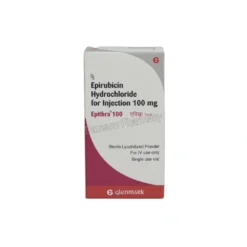
Anti Cancer
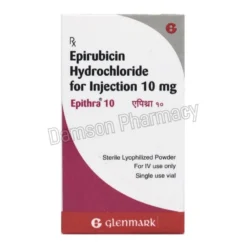
Anti Cancer

Anti Cancer
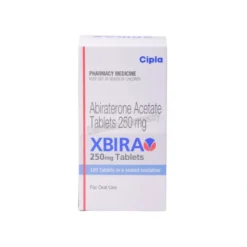
Anti Cancer

Anti Cancer
Anti Cancer Used for
- Anti Cancer treatment is used to treat a lot of different types of cancer, like lung, breast, leukemia, lymphoma, prostate, colon, and many more.
- These medicines can be used as the main treatment to kill cancer cells or as an extra treatment after surgery or radiation to lower the chance of cancer coming back.
- Most of the time, they are also used with other treatments to make the whole thing work better.
- Anti Cancer treatment is often used as palliative care in the later stages of cancer to slow the growth of the tumor and ease symptoms like pain, pressure, or organ dysfunction, which makes the quality of life better.
- The type of cancer, its stage, and the patient's health all affect the choice of treatment.
- Oncologists carefully evaluate each case to determine the most suitable approach, ensuring that Anti-cancer therapy is aligned with medical goals and patient needs for maximum benefit and safety during treatment.
Working
Depending on the type, drugs that fight cancer work in different ways. Cancer cells die when chemotherapy drugs damage their DNA or stop them from growing, which happens when cells divide quickly. Targeted therapies focus on molecules or communication pathways that cancer cells need to grow.
This helps stop the cells from spreading while keeping normal cells from getting too hurt. Immunotherapy changes or boosts the immune system so it can find and kill cancer cells more effectively.
Some types of cancer, like breast and prostate cancer, grow faster when hormones are present. Hormonal treatments stop or lower these hormones. When used together, these treatments are meant to stop tumors from growing, make current tumors smaller, and sometimes get rid of all cancer cells.
The type of cancer, its state, and the patient's health determine which mechanism is used. This makes sure that each patient gets a personalized and effective Anti Cancer treatment plan while being closely watched by a doctor.
How Long Anti-Cancer Lasts?
How long the affects of cancer treatment last depend on the type of therapy and the type of cancer being treated. The effects of chemotherapy usually last for a few weeks each cycle because the body needs time to heal between sessions.
Immunotherapy and targeted treatments may be given over a period of months or even years, especially in cases where the disease needs to be managed for a long time. Some Cancer treatment approaches are designed not to fully cure but to control and suppress tumor growth over time.
Patient reaction also varies a lot; some people get better after just a few weeks of therapy, while others need longer sessions to see results. Imaging scans, blood tests, and clinical reviews must be done on a regular basis to check on progress.
Doctors decide whether to keep going with treatment or make changes based on these results. Overall, the length of cancer treatment is very different for each person and relies on the type of cancer, its stage, and their health.
Side Effects
Common Side Effects
- Fatigue And Weakness
- Nausea And Vomiting
- Hair Loss (Temporary)
- Loss Of Appetite
- Mild Mouth Sores
- Digestive Discomfort
Moderate Side Effects
- Low Blood Counts
- Anemia Development
- Skin Changes
- Nail Discoloration
- Increased Infection Risk
- Persistent Mouth Ulcers
Serious Side Effects
- Severe Immune Reactions
- Organ Inflammation
- High Infection Risk
- Severe Allergic Response
- Internal Bleeding Risk
- Life-Threatening Complications
Interactions
Oncology drugs can change how well they work or make you more likely to become harmful when mixed with other drugs, dietary supplements, or even some foods. Antibiotics, blood thinners, seizure medicines, and herbal products like St. John's Wort often combine in these ways, which can have a big effect on how drugs are broken down. Also, drinking alcohol may mess up the enzymes in your liver that process some cancer drugs, which can make them less effective or cause more side effects.
In some cases, these kinds of interactions can make oncology drugs less effective as treatments or make side effects worse, which makes treatment less safe and less reliable. Because of these risks, patients must give their doctors a full list of all prescription drugs, over-the-counter drugs, and supplements they are taking before they start treatment.
Careful consideration of possible interactions helps make sure safe dosing, improves treatment outcomes, and supports effective and well-monitored cancer care during therapy.
Precautions and Warnings
- Immunotherapy treatment requires strict medical supervision due to its powerful effects on the immune system and overall body response.
- Regular blood tests and clinical evaluations are needed to keep an eye on how organs are working, how the immune system is working, and how the medicine is working.
- People who are pregnant or breastfeeding should usually avoid immunotherapy treatment unless an expert tells them to.
- This is because it can harm the development of the fetus or baby. Because treatment may change a person's immune system, they should avoid getting infections as much as possible and practice good hygiene.
- Also, don't change your doses or stop treatment without first talking to your doctor. Doing so can make the medicine less effective or cause problems.
- A balanced diet, enough rest, staying hydrated, and learning how to deal with stress are all important for healing.
- The Immunotherapy treatment stays safe, successful, and well-managed as long as the patient is closely watched and follows their doctor's instructions.
Storage
To keep their stability, safety, and effectiveness, Anti Cancer drugs must be stored according to strict pharmaceutical standards. Most oral Anti Cancer medicines should be kept in a cool, dry place, out of direct sunlight, extreme heat, and water, since these things can break down the active ingredients.
Some biotech or injectable cancer treatments need to be kept cold within a certain temperature range so that they keep working. To avoid misunderstanding and make sure the right way to use the medicine is always kept in its original packaging with clear labels.
Because these medicines are very strong and could be harmful, they need to be kept safely out of the reach of children and pets.Drugs that are damaged, expired, or not being used should never be used and should be thrown away safely according to drugstore or medical advice.
Good storage habits help keep drugs' quality, make sure treatments work, and lower the risks that come with treating Anti Cancer medicines incorrectly over the course of their shelf life.