

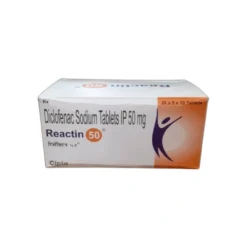
Diclofenac Potassium 50 mg
Price range: $33.60 through $93.60
| Pack Size | Price/Unit | Price | Quantity | |
|---|---|---|---|---|
| 30 Tablets | $1.12/unit | $33.60 | ||
| 60 Tablets | $1.08/unit | $64.80 | ||
| 90 Tablets | $1.04/unit | $93.60 |
Looking for bulk / B2B pricing? |
Send Inquiry |
Availability : IN STOCK



Introduction to Diclofenac Potassium 50 mg
Diclofenac Potassium 50mg Tablets are nonsteroidal anti-inflammatory drugs (NSAIDs) used to relieve pain, reduce inflammation, and decrease swelling. They are commonly prescribed for acute painful conditions and are known for their relatively fast onset of action compared to some other Diclofenac formulations.
These tablets are frequently used to manage conditions such as dental pain, migraine attacks, musculoskeletal injuries, back pain, joint pain, and menstrual discomfort. By controlling inflammation and pain, Diclofenac Potassium 50mg Tablets help improve comfort and support daily activities.
When used according to a healthcare professional’s instructions, Diclofenac Potassium 50mg Tablets can provide significant relief from acute pain and inflammatory conditions. The dosage and duration of treatment depend on the patient’s medical condition, symptom severity, and overall response to therapy.
What are the Uses of Diclofenac Potassium 50mg Tablet?
Diclofenac Potassium 50mg Tablets are used to relieve pain, reduce inflammation, and decrease swelling associated with various acute and inflammatory conditions. Common uses include:
- Dental Pain
- Migraine Attacks
- Menstrual Pain (Dysmenorrhea)
- Back Pain
- Muscle Pain
- Joint Pain
- Sports Injuries
- Rheumatoid Arthritis
Dosages
Diclofenac Potassium 50mg Tablets should be taken exactly as prescribed by a healthcare professional. The dosage depends on the condition being treated, the severity of symptoms, the patient’s age, and overall health status. Individualized treatment helps achieve effective pain relief and inflammation control.
The frequency and duration of Diclofenac Potassium 50mg Tablets therapy vary according to the patient’s response and clinical needs. Healthcare providers generally recommend using the lowest effective dose for the shortest appropriate period to maximize therapeutic benefits while supporting safe and responsible treatment.
Strengths and Substitutes
- Diclofenac 25
- Diclofenac 50
- Diclofenac 75
- Diclofenac 75mg/ml
- Diclofenac 75mg/3ml
- Diclofenac & Paracetamol 550
How Does Diclofenac Potassium 50 mg Tablet Work?
Diclofenac Potassium 50mg Tablets work by inhibiting cyclooxygenase (COX) enzymes, which play a crucial role in the production of prostaglandins. Prostaglandins are chemical messengers responsible for pain, inflammation, swelling, and tenderness that occur in response to injury or inflammatory conditions.
By reducing prostaglandin production, Diclofenac Potassium Tablets help relieve pain, decrease inflammation, and minimize swelling. This action improves comfort and mobility in patients experiencing acute painful conditions such as migraines, dental pain, musculoskeletal injuries, and inflammatory joint disorders.
Side Effects of Diclofenac Potassium 50mg Tablets
Common Side Effects
- Nausea
- Vomiting
- Headache
- Dizziness
- Indigestion
- Stomach pain
- Diarrhea
Serious Side Effects
- Stomach ulcer
- Liver damage
- Kidney failure
- Severe allergy
- Anaphylactic reaction
- Heart attack
- Stroke risk
Drug Interactions
- Warfarin interaction
- Aspirin use
- Ibuprofen therapy
- Corticosteroid use
- Methotrexate toxicity
- Lithium levels
Storage
- Store Diclofenac Potassium Tablets at room temperature away from heat.
- Keep tablets in original packaging until ready for use and dispensing.
- Protect the medication from moisture, humidity, and direct sunlight exposure.
- Store in a cool, dry place away from bathroom and kitchen areas.
- Keep Diclofenac Potassium 50mg Tablets out of reach of children.
- Do not freeze tablets or expose them to extreme temperature conditions.
- Check the expiry date regularly before using the medication.
- Dispose of expired or unused tablets according to local regulations.
Warnings & Precautions
1. Use under medical supervision
- Diclofenac PotassiumTablets should be taken only as directed by a qualified healthcare professional.
2. Use lowest effective dose
- The lowest effective dose should be used for the shortest duration necessary to achieve treatment goals.
3. History of gastrointestinal conditions
- Patients with previous stomach or intestinal disorders should inform their doctor before starting treatment.
4. Liver disease caution
- Individuals with liver impairment may require careful monitoring and periodic medical assessments during therapy.
5. Kidney function monitoring
- Patients with kidney-related conditions should consult their healthcare provider before using this medication.
6. Cardiovascular assessment
- Those with existing heart or circulatory conditions should discuss treatment suitability with their healthcare professional.
7. Pregnancy considerations
- Diclofenac Potassium 50mg Tablets should be used during pregnancy only when clearly recommended by a healthcare provider.
8. Breastfeeding advice
- Nursing mothers should seek medical guidance before taking Diclofenac PotassiumTablets.
9. Follow prescribed instructions
- Do not alter the dose or duration of treatment without consulting your healthcare professional.
Frequently Asked Questions
How should I take Diclofenac Potassium 50?
How quickly does Diclofenac Potassium 50 start working?
Can Diclofenac Potassium 50 help with menstrual cramps?
Can Diclofenac Potassium 50 be taken daily?
| Pack Size | 30 Tablets, 60 Tablets, 90 Tablets |
|---|---|
| Price/Unit | $1.04/unit, $1.08/unit, $1.12/unit |
Related Products
Pain Relievers
Reviews
There are no reviews yet