
Erectile Dysfunction Information
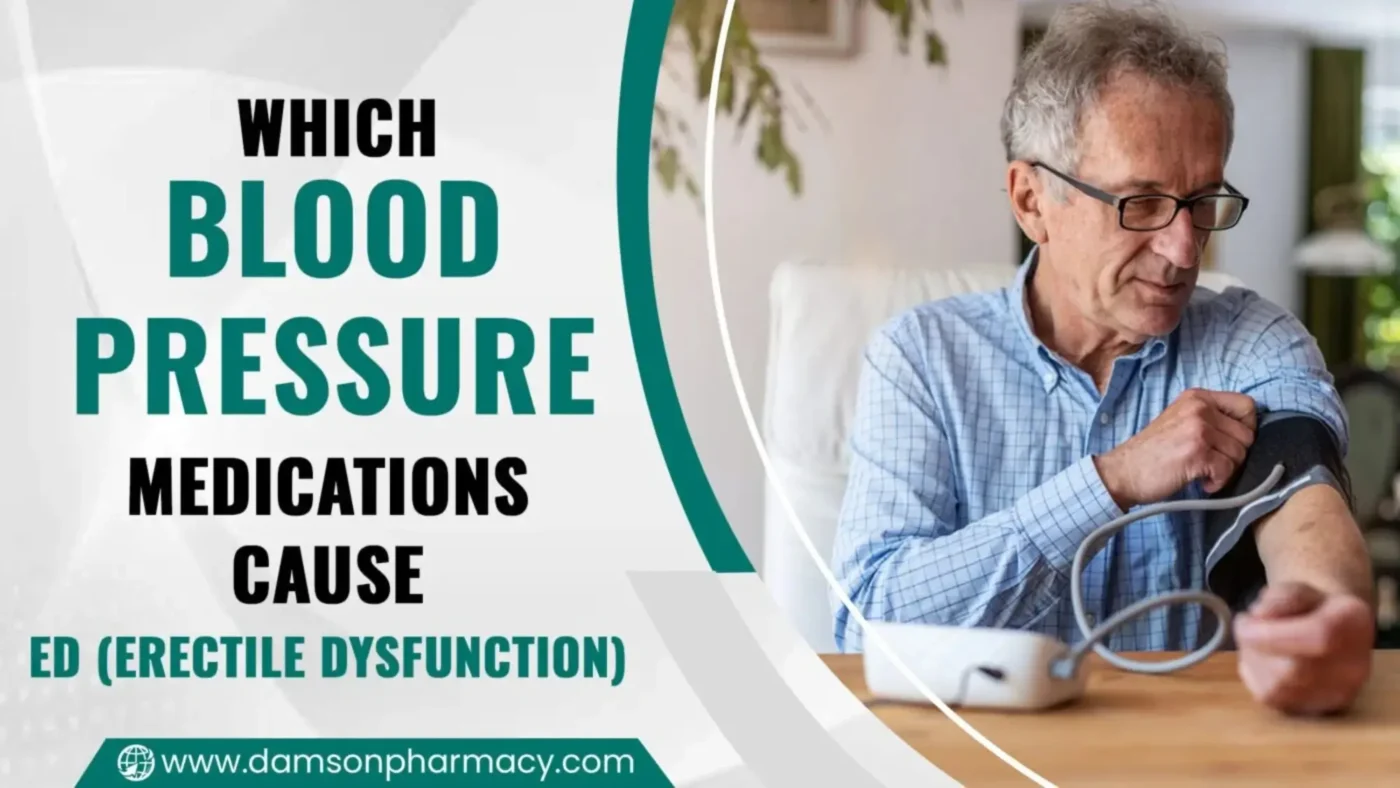
Which Blood Pressure Medications Cause ED (Erectile Dysfunction)


Jun
Blood pressure medications cause ED (erectile dysfunction) in some men, but the risk depends on the medication, individual health factors, and the underlying cause of erection problems. High blood pressure itself can damage blood vessels and reduce blood flow to the penis, making it difficult to achieve or maintain an erection. Some antihypertensive medicines may also contribute to sexual difficulties.
Understanding which medications may affect erectile function can help patients discuss suitable treatment options with their healthcare professional. Blood pressure treatment should not be stopped or changed without medical advice, because uncontrolled hypertension can increase the risk of serious cardiovascular complications.
Which Blood Pressure Medications May Cause ED?
Some classes of blood pressure medication have been associated with erectile dysfunction more often than others. The evidence varies by drug and patient, and erection problems may have more than one cause.
1. Thiazide Diuretics
Thiazide diuretics help lower blood pressure by encouraging the kidneys to remove excess sodium and water. Examples include hydrochlorothiazide and chlorthalidone.
These medicines have been associated with erectile difficulties in some studies. However, the effect is not experienced by everyone, and research findings have not been consistent across all patients and treatment periods.
If erection problems begin after starting a thiazide diuretic, a healthcare professional can review the timing of symptoms, dosage, blood pressure control, and other possible causes.
2. Beta-Blockers
Beta-blockers reduce the effects of stress hormones on the heart, helping lower heart rate and blood pressure. Examples include metoprolol, atenolol, and propranolol.
Some beta-blockers have been associated with erectile dysfunction or other sexual side effects. However, the risk differs among individual medicines, and factors such as cardiovascular disease, anxiety, and expectations about side effects may also influence sexual function.
Nebivolol may have a more favourable effect on erectile function than some other beta-blockers, but it is not appropriate for every patient. The choice of treatment depends on the person’s medical history and the reason the medicine was prescribed.
3. ACE Inhibitors
Angiotensin-converting enzyme (ACE) inhibitors help relax blood vessels by reducing the production of angiotensin II, a substance that narrows them. Examples include lisinopril, enalapril, and ramipril.
ACE inhibitors are generally considered less likely to cause erectile dysfunction than thiazide diuretics or some beta-blockers. If ED develops while taking an ACE inhibitor, it is important to assess other potential causes rather than automatically assuming the medicine is responsible.
4. Angiotensin II Receptor Blockers (ARBs)
Angiotensin II receptor blockers, commonly called ARBs, help blood vessels relax by blocking the action of angiotensin II. Examples include losartan, valsartan, and candesartan.
ARBs generally have a favourable profile regarding sexual function and are considered less likely to contribute to ED than some older blood pressure medicines. Some research suggests they may improve aspects of sexual function in certain patients, although this benefit is not guaranteed.
An ARB may be considered when a treatment review is appropriate, but suitability depends on blood pressure control, kidney function, other health conditions, and the patient’s existing medication regimen.
5. Calcium Channel Blockers
Calcium channel blockers, such as amlodipine, nifedipine, and diltiazem, help relax blood vessels and reduce blood pressure.
These medicines are generally considered to have a relatively neutral effect on erectile function. If ED develops while taking a calcium channel blocker, other contributing factors should be assessed before the medication is identified as the cause.
6. Other Blood Pressure Medicines
Some centrally acting medicines, including clonidine and methyldopa, have also been associated with sexual side effects. Spironolactone, a potassium-sparing diuretic used in selected patients, may cause hormonal effects such as breast tenderness or enlargement and can also affect sexual function in some people.
These effects vary by medicine and individual circumstances. A clinician can assess whether the benefits of the current treatment outweigh its side effects and whether an alternative is suitable.
Get Up to 90% off on Medicines

Tadalafil & Dapoxetine

Sildenafil Citrate

Sildenafil Citrate
Hypertension
Can High Blood Pressure Itself Cause Erectile Dysfunction?
Yes. High blood pressure can contribute to erectile dysfunction even when a person is not taking medication.
An erection depends on adequate blood flow to the penis. Persistent hypertension can damage the lining of blood vessels, reduce their ability to relax, and contribute to atherosclerosis, in which arteries become narrowed or hardened. These changes can interfere with the circulation needed to achieve and maintain an erection.
High blood pressure also commonly occurs alongside other ED risk factors, including:
- Diabetes and elevated blood glucose
- High cholesterol
- Smoking and tobacco use
- Excess body weight and physical inactivity
- Cardiovascular disease
- Stress, anxiety, or depression
- Hormonal conditions and age-related changes
For this reason, ED that appears during blood pressure treatment does not necessarily mean the medicine is responsible. A proper assessment considers the person’s health, medication history, and when the symptoms began.
How Can You Tell If Blood Pressure Medication Is Causing ED?
There is no single symptom or test that can prove a blood pressure medicine is responsible. However, the timing of symptoms can provide useful information.
A healthcare professional may ask whether erection problems began after starting a medicine, increasing its dose, or changing to another treatment. They may also review whether the problem occurs consistently, whether morning erections have changed, and whether sexual desire or other aspects of sexual function are affected.
The assessment may include:
- Reviewing prescription medicines, over-the-counter products, and supplements
- Checking blood pressure and cardiovascular risk factors
- Assessing diabetes, cholesterol, and other relevant health conditions
- Evaluating stress, mood, sleep, and relationship factors
- Ordering blood tests, such as glucose or hormone tests, when clinically appropriate
Do not stop taking a prescribed blood pressure medicine to test whether erections improve. Stopping treatment abruptly can be dangerous, and the underlying hypertension may itself be contributing to ED.
What Should You Do If You Develop ED While Taking Blood Pressure Medication?
If erection problems begin or persist while you are taking blood pressure medicine, arrange a review with a qualified healthcare professional. The aim is to identify the likely cause while maintaining safe blood pressure control.
Depending on the assessment, possible steps may include:
Review the Current Medication
The clinician can review the medicine, dose, timing, and reason it was prescribed. If a medication-related side effect is suspected, a different medicine or treatment regimen may be considered when medically appropriate.
Do not switch medicines or adjust doses independently. Some treatments are prescribed because of other important conditions, such as heart failure, previous heart attacks, kidney disease, or certain heart rhythm problems.
Address Other Risk Factors
Regular physical activity, a balanced diet, smoking cessation, limiting excess alcohol, and maintaining a healthy weight can support cardiovascular health. These measures may also help improve erectile function, although they do not replace necessary medical treatment.
Managing diabetes, high cholesterol, and other underlying conditions is also important.
Discuss Treatment for Erectile Dysfunction
Treatment may be appropriate when ED continues despite reviewing contributing factors. Options depend on the cause, general health, other medicines, and patient preferences.
Sildenafil and tadalafil belong to a group of medicines called phosphodiesterase type 5 (PDE5) inhibitors. They improve the blood-flow response involved in an erection when sexual stimulation occurs. They do not treat the underlying cause of every case of ED and are not suitable for everyone.
These medicines must not be combined with nitrate medicines, such as nitroglycerin, because the combination can cause a dangerous drop in blood pressure. People taking certain other medicines or with specific cardiovascular conditions also need an individual safety assessment before using ED treatment.
Can You Take ED Medication With Blood Pressure Medicine?
Some men can use ED medication while taking blood pressure medicine, but the combination must be assessed individually.
PDE5 inhibitors, including sildenafil and tadalafil, can generally be used with many antihypertensive medicines under appropriate medical guidance. However, combining medicines that lower blood pressure may cause dizziness or symptomatic low blood pressure in some people.
Never take sildenafil or tadalafil with nitrate medicines. If you take nitrates for chest pain, tell your healthcare professional before discussing ED treatment. Other medicines, including certain alpha-blockers, may also require careful dose selection and monitoring.
Before starting an ED medicine, provide a complete list of your current prescriptions, non-prescription medicines, and supplements. Avoid unverified products marketed for sexual performance, as their ingredients and safety may be uncertain.
When Should You Seek Medical Advice?
Arrange a medical appointment if erection problems happen repeatedly, begin after a medication change, or affect your confidence, relationships, or quality of life. Persistent ED can sometimes be an early sign of an underlying cardiovascular or metabolic problem, so it should not automatically be attributed to age or medication.
Seek urgent medical care if you experience chest pain, severe shortness of breath, fainting, or other potentially serious symptoms during sexual activity. If chest pain occurs after taking an ED medicine, seek emergency help and tell the medical team which medicine you took; do not take nitrate medication unless emergency clinicians specifically direct you to do so.
Conclusion
Blood pressure medications cause ED in some men, particularly certain diuretics, beta-blockers, and centrally acting medicines. However, the risk differs between medicines, and high blood pressure itself can damage blood vessels and contribute to erectile dysfunction. ACE inhibitors, ARBs, and calcium channel blockers generally have a more favourable or neutral sexual side-effect profile.
If you experience ED while taking blood pressure medication, speak with a healthcare professional before making any changes. A careful medication review, assessment of other risk factors, and discussion of appropriate ED treatments can help address sexual health concerns while keeping blood pressure under control.
At Damson Pharmacy, we recognise the importance of reliable information about medication effects and sexual health. Understanding possible causes of ED can help readers have more informed discussions with their healthcare professionals about appropriate care.
References
Acknowledgment:
Damson Pharmacy only refers to credible, authoritative sources for our content. If you’re curious about how we ensure the integrity of our content, we encourage you to read our Content Information Policy.
