
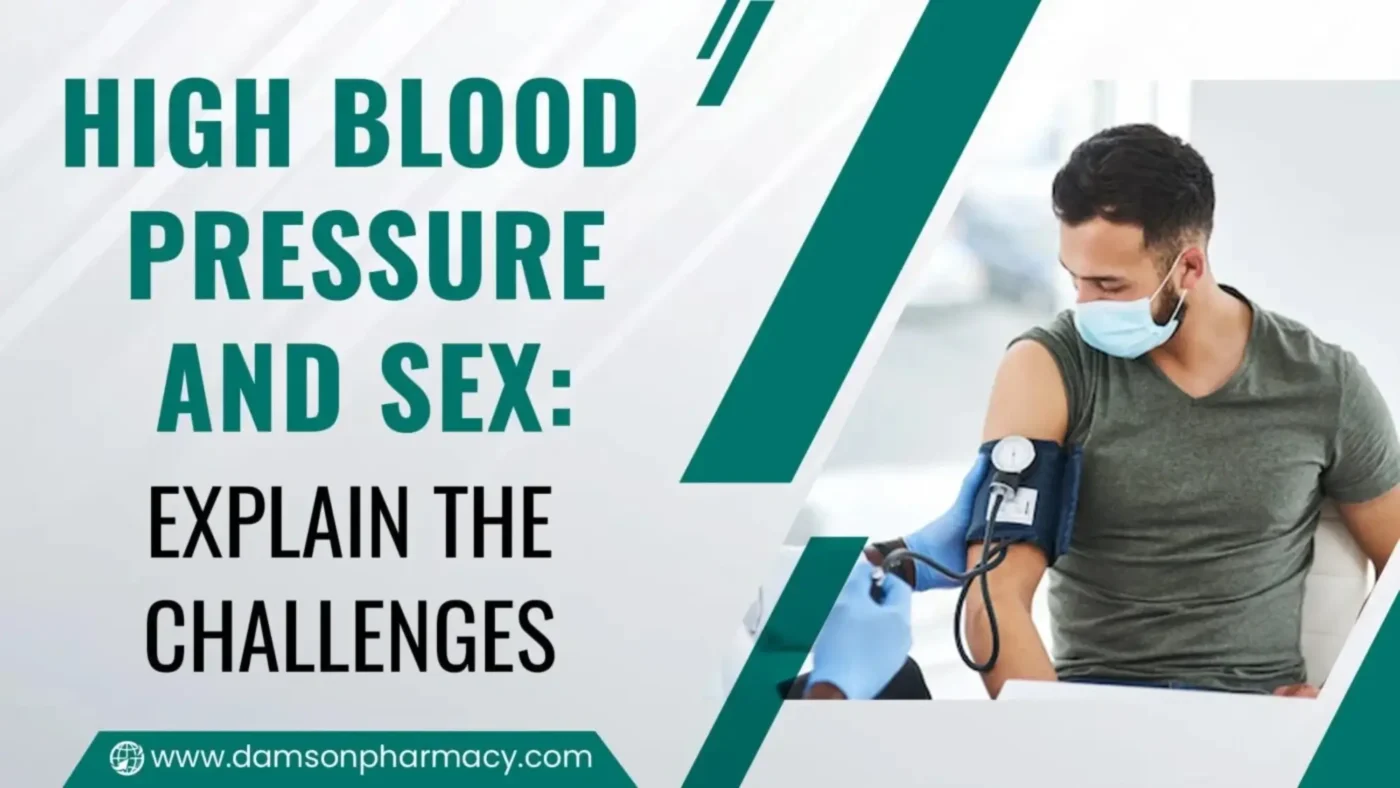
High Blood Pressure and Sex: Explain the Challenges


Jun
High blood pressure can affect sexual health in both men and women. It may interfere with blood flow, contribute to erectile dysfunction (ED), affect sexual arousal, and create concerns about sexual performance. Some people also worry that sexual activity could place too much strain on their heart.
These challenges do not affect everyone with hypertension, and they can have several causes. The condition itself, certain blood pressure medications, other health problems, and emotional stress may all play a role. Understanding these factors can help people protect their cardiovascular health while maintaining a satisfying sex life.
How Does High Blood Pressure Affect Sexual Function?
High blood pressure, also called hypertension, can gradually damage blood vessels and reduce their ability to expand when the body needs increased blood flow. Because sexual arousal depends partly on healthy circulation, these changes may affect sexual function.
Reduced Blood Flow and Erectile Dysfunction
An erection requires sufficient blood to flow into the penis and remain there during sexual activity. Long-term hypertension can damage the lining of blood vessels and contribute to arterial stiffness and atherosclerosis, which may reduce blood flow to the penis.
As a result, some men experience erectile dysfunction, meaning they have difficulty achieving or maintaining an erection firm enough for sexual activity. ED can also be associated with diabetes, high cholesterol, smoking, and cardiovascular disease, so hypertension may not be the only contributing factor.
Persistent erectile difficulties deserve medical attention because they can sometimes indicate underlying vascular problems.
Changes in Sexual Desire and Arousal
Sexual desire and physical arousal are related but different processes. A person may feel interested in sex but experience difficulty with the body’s physical response.
In women, hypertension and associated vascular changes may affect genital blood flow, lubrication, or physical arousal. In men and women, reduced desire or satisfaction may also be associated with fatigue, stress, depression, hormonal changes, chronic illness, or medication side effects.
Hypertension does not automatically cause low libido. The underlying circumstances and the individual’s overall health need to be considered.
How Hypertension Can Affect Women’s Sexual Health
Sexual difficulties in women with hypertension may include reduced desire, difficulty becoming aroused, inadequate lubrication, discomfort during intercourse, or difficulty reaching orgasm.
Research into female sexual dysfunction and hypertension is less extensive than research on erectile dysfunction in men. Nevertheless, vascular health, other medical conditions, emotional well-being, and certain medications may all contribute.
Women who experience persistent sexual discomfort or changes in sexual function should discuss them with a healthcare professional rather than assuming they are an inevitable consequence of high blood pressure.
Get Up to 90% off on Medicines

Tadalafil & Dapoxetine

Sildenafil Citrate

Sildenafil Citrate
Hypertension
What Sexual Challenges Can People With High Blood Pressure Experience?
The effects of hypertension on intimacy can extend beyond physical symptoms. The experience varies between individuals, and not every challenge is directly caused by blood pressure.
Difficulty Achieving or Maintaining an Erection
Erectile difficulties may occur gradually or become noticeable during particular situations. A man may achieve an erection sometimes but find it difficult to maintain one at other times.
Repeated difficulties can lead to frustration or concern about future sexual activity. However, occasional erection problems do not necessarily mean that someone has ED. Persistent or recurring symptoms warrant assessment, particularly when hypertension or other cardiovascular risk factors are present.
Reduced Libido and Sexual Satisfaction
Some people with hypertension report less interest in sex or reduced satisfaction. These changes may relate to medication effects, fatigue, another health condition, emotional distress, or the impact of ongoing illness on daily life.
It is important to distinguish reduced sexual desire from a physical difficulty with arousal or erection. Each may have different contributing factors and require a different approach to assessment and management.
Anxiety, Confidence, and Relationship Concerns
Worry about sexual performance or the possibility of experiencing symptoms during sex can create additional stress. Someone who has experienced erection difficulties may begin to anticipate the same problem during future encounters.
A partner may misinterpret reduced desire or changes in sexual activity as a loss of attraction, which can lead to misunderstandings. Open communication, reassurance, and appropriate medical guidance can help couples address these concerns without assigning blame.
If anxiety, low mood, or relationship stress persists, psychological support or couples counselling may be useful alongside medical care.
Can Blood Pressure Medications Affect Your Sex Life?
Yes. Some antihypertensive medications can contribute to sexual side effects, although many people take these medicines without experiencing problems. The effects depend on the specific medicine, dose, individual response, and other health conditions.

Medicines That May Contribute to Sexual Side Effects
Certain thiazide diuretics and beta-blockers have been associated with erectile difficulties in men. Some beta-blockers may also affect sexual function in women. However, the risk varies between medicines, and evidence does not show that every drug in these classes causes sexual problems.
Other blood pressure medicines, including ACE inhibitors, angiotensin II receptor blockers (ARBs), and calcium channel blockers, generally have more favourable or neutral sexual side-effect profiles.
Why Medication Effects Differ Between Individuals
Sexual difficulties that develop during treatment may be related to the medication, hypertension itself, or another condition. The timing of symptoms can help a healthcare professional assess whether a medicine may be contributing.
Do not stop or reduce blood pressure medication on your own. Uncontrolled hypertension can increase cardiovascular risk. If sexual side effects are affecting your quality of life, ask your prescriber whether a medication review or an alternative treatment is appropriate.
Is Sex Safe When You Have High Blood Pressure?
For many people whose blood pressure is controlled and whose cardiovascular condition is stable, sexual activity is generally safe. Sexual activity temporarily increases heart rate and places some physical demand on the body, but hypertension alone does not mean a person must avoid sex.
Individual circumstances matter, particularly for people with uncontrolled blood pressure, significant cardiovascular disease, or symptoms during exertion.
When Sexual Activity Is Generally Safe
If you have hypertension but feel well and your condition is being managed, you can usually discuss sexual activity as part of your overall cardiovascular care.
Regular check-ups, taking prescribed medication as directed, and following an appropriate exercise and lifestyle plan can help manage cardiovascular risk. If you have recently had a heart attack, have unstable heart symptoms, or have another significant cardiovascular condition, ask your healthcare professional when sexual activity is appropriate.
Symptoms That Require Medical Attention
Stop sexual activity and seek medical advice if you experience unusual symptoms such as chest discomfort, marked breathlessness, dizziness, or palpitations during sex.
Seek emergency medical care for chest pain, severe shortness of breath, fainting, or other symptoms that could indicate a serious cardiovascular event. Do not assume these symptoms are simply caused by exertion or anxiety.
When to Seek Urgent Medical Care
A blood pressure reading above 180/120 mm Hg requires prompt attention. If a repeat reading remains in this range and you have symptoms such as chest pain, shortness of breath, weakness, numbness, changes in vision, or difficulty speaking, call your local emergency number immediately. Do not delay emergency care to see whether the reading falls.
If the reading remains above 180/120 mm Hg without these symptoms, contact a healthcare professional promptly for advice. Do not try to lower your blood pressure rapidly with extra medication unless a clinician directs you to do so.
How Can You Manage High Blood Pressure and Maintain a Healthy Sex Life?
Managing hypertension and addressing sexual difficulties can often be approached together. The right plan depends on blood pressure control, the cause of the sexual symptoms, existing medicines, and overall cardiovascular health.
Keep Blood Pressure Under Control
Take prescribed medicines as directed and attend routine blood pressure reviews. Home monitoring may also help you and your healthcare professional understand how well your treatment is working.
If sexual difficulties develop, explain when they began and whether they followed a change in medication. A clinician can review possible causes and determine whether any adjustment is suitable.
Adopt Heart-Healthy Lifestyle Habits
Lifestyle measures that support blood pressure control can also benefit cardiovascular health and may help reduce some risk factors associated with sexual dysfunction.
Helpful steps include:
- Be physically active: Choose regular activity suited to your health and fitness level.
- Eat a balanced diet: Include vegetables, fruit, whole grains, and other nutrient-rich foods while limiting excess sodium.
- Avoid smoking: Tobacco use damages blood vessels and increases cardiovascular risk.
- Limit excess alcohol: Alcohol can affect blood pressure and sexual function.
- Maintain a healthy weight: This may help improve blood pressure and metabolic health.
- Manage stress and sleep: Addressing persistent stress and poor sleep can support overall well-being.
These measures are beneficial but do not guarantee that sexual difficulties will resolve. Persistent symptoms still deserve assessment.
Discuss Erectile Dysfunction Treatment With a Healthcare Professional
If erectile dysfunction continues, a healthcare professional may assess whether treatment such as sildenafil or tadalafil is appropriate. These medicines improve the blood-flow response involved in an erection when sexual stimulation occurs.
They are not suitable for everyone. Sildenafil and tadalafil must not be taken with nitrate medicines, such as nitroglycerin, because the combination can cause a dangerous drop in blood pressure. Other medications and cardiovascular conditions may also affect treatment choices.
Do not buy or use ED medicines without checking that they are suitable for your circumstances. If you have uncontrolled hypertension or significant heart symptoms, seek medical assessment before using medication for sexual performance.
Communicate Openly With Your Partner
Talking honestly about health concerns can reduce misunderstandings and pressure around sex. Couples may find it helpful to focus on comfort, intimacy, and shared preferences rather than treating intercourse or erection performance as the only measure of sexual satisfaction.
If fear of symptoms or performance anxiety is affecting intimacy, a healthcare professional or qualified counsellor may help you identify ways to manage these concerns.
Frequently Asked Questions
Can high blood pressure cause erectile dysfunction?
Yes. Long-term high blood pressure can damage blood vessels and reduce blood flow to the penis, contributing to erectile dysfunction. Diabetes, high cholesterol, smoking, and certain medications may also play a role.
Can you have sex if your blood pressure is high?
Many people with controlled hypertension can safely have sex. However, very high or uncontrolled blood pressure, chest pain, breathlessness, or an unstable cardiovascular condition may require medical assessment before sexual activity. Seek emergency care for serious symptoms.
Do blood pressure medications reduce sexual desire?
Some blood pressure medicines may contribute to sexual side effects, including changes in desire or erectile function. The effects vary by medication and individual. Do not stop treatment without discussing your concerns with your prescriber.
Can treating high blood pressure improve sexual function?
Managing hypertension can help protect blood vessels and reduce cardiovascular risk. It may support sexual health, particularly when poor vascular health is a contributing factor, but improvement is not guaranteed because sexual dysfunction can have multiple causes.
Can you take sildenafil while using blood pressure medication?
Some people can take sildenafil with antihypertensive medicines under appropriate medical guidance. However, sildenafil must not be combined with nitrates because of the risk of a dangerous fall in blood pressure. A healthcare professional should check your medications and cardiovascular health before treatment.
Conclusion
High blood pressure and sex are closely connected through circulation, cardiovascular health, medication effects, and emotional well-being. Hypertension can contribute to erectile dysfunction and other sexual difficulties, but these problems are not inevitable and may have several treatable causes.
Keeping blood pressure under control, discussing medication side effects, adopting heart-healthy habits, and seeking advice for persistent sexual difficulties can help people protect their health and maintain intimacy. At Damson Pharmacy, we recognise the importance of reliable information about medication and sexual health so readers can have more informed conversations with their healthcare professionals.
References
Acknowledgment:
Damson Pharmacy only refers to credible, authoritative sources for our content. If you’re curious about how we ensure the integrity of our content, we encourage you to read our Content Information Policy.
