
Erectile Dysfunction Information
Erectile Dysfunction (ED): A Complete Guide to Causes, Diagnosis and Treatment


Oct
Erectile dysfunction (ED) is the persistent difficulty getting or maintaining an erection firm enough for sexual activity. It can develop because of problems with blood flow, nerve function, hormones, mental health, or certain medicines. Although ED becomes more common with age, it is not an inevitable part of aging and can often be treated.
Understanding the cause is an important first step. Treatment may involve lifestyle changes, prescription medication, psychological counseling, medical devices, or other therapies, depending on a person’s health and the factors contributing to the condition.
What Is Erectile Dysfunction (ED)?
Erectile dysfunction is a sexual health condition in which a person has difficulty achieving or maintaining an erection suitable for sexual activity. Occasional erection difficulties can happen because of stress, tiredness, alcohol use, or temporary illness. Repeated problems that affect sexual activity may indicate ED and warrant medical assessment.
An erection depends on coordinated activity between the brain, nerves, hormones, blood vessels, and penile tissue. A problem affecting any of these systems can interfere with erectile function.
What Happens During a Normal Erection?
During sexual stimulation, the nervous system releases signals that help relax smooth muscle in the penis. Nitric oxide activates a process that increases levels of cyclic guanosine monophosphate (cGMP), allowing penile blood vessels to widen and blood to enter the erectile tissue.
As the erectile tissue fills, pressure within the penis helps restrict blood from flowing out, producing an erection. The process depends on adequate blood circulation, functioning nerves, suitable hormonal activity, and sexual stimulation.
Conditions affecting these processes can make erections less firm, less predictable, or difficult to maintain.
When Does Difficulty Getting an Erection Become ED?
A single episode of erection difficulty does not necessarily mean someone has ED. The problem becomes more concerning when it happens repeatedly, persists over time, or causes distress and interferes with sexual activity.
A healthcare professional can help distinguish occasional difficulties from an ongoing condition. There is no need to wait until symptoms become severe before seeking advice.
What Are the Signs and Symptoms of Erectile Dysfunction?
The main symptom of ED is difficulty achieving or maintaining an erection. Symptoms can vary in frequency and severity.
Common signs include:
- Being unable to achieve an erection when desired.
- Getting an erection that is not firm enough for sexual activity.
- Losing an erection before sexual activity is completed.
- Experiencing inconsistent erections despite sexual interest.
- Feeling anxious or distressed about sexual performance because of repeated erection difficulties.
Some people continue to experience normal sexual desire despite having ED. Others may also have reduced libido because of hormonal changes, depression, medication effects, or another underlying condition.
Erectile dysfunction can affect confidence, relationships, and emotional well-being. These effects are valid reasons to seek support, even when the physical symptoms appear mild.
What Causes Erectile Dysfunction?
ED rarely has only one possible explanation. Physical, psychological, medication-related, and lifestyle factors can contribute, and several may be present at the same time.
Physical Causes of ED
Physical causes often involve blood circulation, nerve signalling, hormonal function, or the structure of the penis.
Blood vessel problems: An erection requires adequate blood flow. Atherosclerosis, which involves the buildup of plaque in arteries, can reduce circulation and interfere with erectile function. High blood pressure and abnormal cholesterol levels can also contribute to vascular damage.
Diabetes: High blood glucose can damage blood vessels and nerves involved in erections. Diabetes may also contribute to hormonal changes and other conditions that increase the risk of ED.
Neurological conditions: Spinal cord injuries, multiple sclerosis, Parkinson’s disease, and diabetic nerve damage can disrupt the signals needed for an erection.
Hormonal disorders: Low testosterone can contribute to reduced sexual desire and may affect erectile function. Thyroid disorders and other endocrine conditions can also play a role.
Structural problems: Peyronie’s disease causes scar tissue to form inside the penis, sometimes leading to curvature, pain, and difficulty with erections.
Pelvic surgery or injury: Procedures or injuries affecting the pelvis, prostate, blood vessels, or nerves can sometimes lead to ED.
Psychological Causes of ED
Mental and emotional factors can interfere with the brain’s role in sexual arousal. Common contributors include:
- Stress related to work, finances, or personal circumstances.
- Anxiety about sexual performance.
- Depression and other mental health conditions.
- Relationship conflict or communication difficulties.
- Fear of erection failure following a previous unsuccessful sexual experience.
Psychological factors can occur alongside physical causes. For example, someone with diabetes-related ED may develop performance anxiety after repeated erection difficulties. Treating both aspects may improve outcomes.
Medical Conditions Linked to Erectile Dysfunction
Several health conditions are associated with an increased likelihood of ED.
| Medical condition | How it may contribute |
|---|---|
| Diabetes | Can damage nerves and blood vessels. |
| Cardiovascular disease | May impair circulation needed for erections. |
| High blood pressure | Can damage blood vessels over time. |
| Obesity | Is associated with metabolic changes, diabetes, and vascular risk. |
| Chronic kidney disease | May affect vascular, hormonal, and neurological function. |
| Low testosterone | Can contribute to reduced sexual desire and some erectile difficulties. |
| Depression | May affect sexual interest and arousal. |
| Sleep disorders | Can affect energy, mood, and hormonal health. |
ED can sometimes be an early sign of cardiovascular problems because the blood vessels involved in erections may be affected by the same processes that contribute to heart disease. New or persistent ED therefore deserves medical attention, particularly when other cardiovascular risk factors are present.
Medicines and Substances That May Contribute to ED
Some prescription medicines can affect sexual function. These may include certain antidepressants, antipsychotics, blood pressure medicines, and hormonal treatments. Recreational drugs and excessive alcohol consumption can also interfere with erections.
However, a medicine should not automatically be assumed to be the cause. The underlying condition being treated may contribute to ED as well.
Do not stop or change a prescribed medicine on your own. A healthcare professional can review your treatment and determine whether a safer alternative or dose adjustment is appropriate.
Lifestyle Factors That Affect Erectile Function
Lifestyle habits can influence blood vessel health, metabolism, and sexual function.
Smoking damages blood vessels and is associated with vascular disease. Heavy alcohol consumption can interfere with sexual responses, while inactivity and excess body weight may increase the risk of diabetes and cardiovascular disease.
Poor sleep and chronic stress may also contribute to erection difficulties. Addressing these factors can support general health and may improve erectile function, although lifestyle changes alone will not resolve every case of ED.
Who Is at Risk of Developing ED?
The likelihood of erectile dysfunction increases with certain health conditions and risk factors, but ED can affect adults at different ages.
Factors associated with a higher risk include:
- Increasing age, particularly alongside other health conditions.
- Diabetes, high blood pressure, and cardiovascular disease.
- High cholesterol and obesity.
- Smoking and physical inactivity.
- Depression, anxiety, and chronic stress.
- Certain prescription medicines.
- Previous pelvic surgery or injury.
- Hormonal and neurological disorders.
Age is a risk factor rather than a direct explanation for every case. Persistent erection difficulties should not simply be dismissed as a normal consequence of getting older.
How Is Erectile Dysfunction Diagnosed?
Diagnosis begins with understanding the symptoms and identifying possible underlying causes. Most people can be assessed initially through a medical history, sexual history, physical examination, and selected laboratory tests.
Medical and Sexual History
A healthcare professional may ask when the problem started, how frequently it occurs, and whether erections are affected in every situation or only in certain circumstances.
Questions may cover sexual desire, morning erections, ejaculation, orgasm, stress, relationship factors, previous illnesses, surgery, and current medicines.
The clinician may also ask about smoking, alcohol use, physical activity, and symptoms of conditions such as diabetes or cardiovascular disease.
These details help identify patterns that may point toward vascular, hormonal, neurological, medication-related, or psychological causes.
Physical Examination
A focused physical examination may include checking blood pressure, body weight, and signs of vascular or hormonal problems. The clinician may examine the penis and testicles for structural abnormalities, injury, or signs of hormonal disorders.
The findings help determine whether additional testing is necessary.
Blood Tests and Hormone Testing
Laboratory tests depend on the person’s symptoms, medical history, and previous results. They may include:
- Blood glucose or HbA1c: To check for diabetes or assess blood glucose control.
- Lipid profile: To assess cholesterol and other blood fats associated with cardiovascular risk.
- Total testosterone: Usually measured in the morning when testosterone deficiency is suspected.
- Additional hormone tests: Thyroid function, prolactin, or other tests may be considered when symptoms suggest an endocrine problem.
A low testosterone result generally requires appropriate clinical interpretation and, when indicated, repeat testing before a diagnosis is made.
Testing is not identical for everyone. A clinician selects investigations based on the most likely causes and any associated health concerns.
Specialized Tests for Erectile Dysfunction
Some people need additional investigations when the initial assessment does not explain their symptoms or when a specific condition is suspected.
These tests may include:
- Penile Doppler ultrasound: Evaluates blood flow within the penis, often after a medicine is administered to produce an erection.
- Nocturnal erection testing: Records erections during sleep and may help assess erectile function in selected cases.
- Other specialist investigations: Additional vascular, neurological, or hormonal tests may be appropriate depending on the clinical situation.
Specialized tests are not routinely necessary for every person with ED.
What Are the Treatment Options for Erectile Dysfunction?
Treatment depends on the underlying cause, the severity of symptoms, other medical conditions, and personal preferences. The goal is to improve sexual function safely while addressing contributing health problems whenever possible.
Oral ED Medicines: PDE5 Inhibitors
Phosphodiesterase type 5 (PDE5) inhibitors are commonly prescribed oral medicines for erectile dysfunction. They help maintain the chemical signals that relax penile smooth muscle and increase blood flow during sexual stimulation.
These medicines can improve the ability to achieve and maintain an erection, but they do not directly increase sexual desire and do not cause an automatic erection.
Common PDE5 inhibitors include sildenafil, tadalafil, vardenafil, and avanafil. The appropriate medicine and dose depend on individual circumstances and the product’s prescribing information.
Sildenafil, Tadalafil, Vardenafil and Avanafil
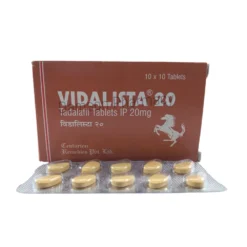
Tadalafil

Sildenafil Citrate
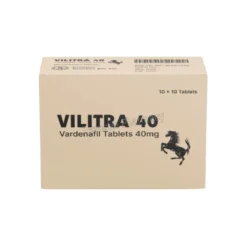
Vardenafil
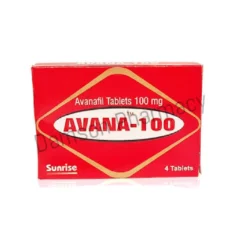
Avanafil
These medicines share a similar overall mechanism but differ in their onset, duration of action, dosing options, and potential interactions.
| Medicine | General characteristics |
|---|---|
| Sildenafil | Commonly begins working within about 30–60 minutes. Food, particularly a heavy meal, may delay its onset. |
| Tadalafil | Can remain effective for up to 36 hours in some people, providing a longer window for sexual activity. |
| Vardenafil | Often begins working within about 30–60 minutes, although individual response varies. |
| Avanafil | May begin working in as little as 15–30 minutes in some people, depending on the prescribed product and circumstances. |
These timeframes are approximate, not guarantees. Sexual stimulation is required, and the medicines should be used according to medical advice.
PDE5 inhibitors are not suitable for everyone. They must not be combined with nitrate medicines, such as nitroglycerin, because the combination can cause a dangerous drop in blood pressure. They are also contraindicated with riociguat.
Common adverse effects include headache, flushing, nasal congestion, indigestion, and dizziness. Sudden vision or hearing loss requires urgent medical assessment. An erection lasting more than four hours is a medical emergency.
Never combine ED medicines or increase the dose without professional guidance.
Testosterone Treatment When a Deficiency Is Confirmed
Testosterone treatment may be considered when a person has symptoms consistent with testosterone deficiency and testing confirms the diagnosis.
Testosterone is not a general treatment for every case of ED. It may help address symptoms associated with low testosterone, particularly reduced sexual desire, but erectile difficulties can persist when vascular, neurological, or other factors are involved.
Treatment requires medical supervision because testosterone therapy has potential risks and is not appropriate for everyone.
Vacuum Erection Devices
A vacuum erection device uses a cylinder placed over the penis and a pump to draw blood into the erectile tissue. A constriction ring may then be placed around the base of the penis to help maintain the erection for sexual activity.
These devices provide a non-drug option and may be useful for people who cannot take oral ED medicines or prefer another approach.
Possible drawbacks include bruising, discomfort, numbness, and a cooler feeling in the penis. The device should be used according to professional instructions, including guidance on how long a constriction ring can safely remain in place.
Alprostadil Injections and Urethral Treatments
Alprostadil is a medicine that can improve blood flow and produce an erection through a different mechanism from PDE5 inhibitors.
Depending on the prescribed formulation, it may be administered by injection into the erectile tissue or through a urethral preparation. A healthcare professional must explain the correct technique, dose, and safety precautions.
Potential adverse effects include penile pain, dizziness, and prolonged erections. Injection treatment requires particular care because incorrect dosing can cause complications.
Penile Implants and Surgery in Selected Cases
A penile implant may be considered when other treatments have not worked, are unsuitable, or are not preferred after an informed discussion with a specialist.
Implants are surgically placed devices that allow a person to produce an erection for sexual activity. They may be inflatable or semirigid.
Surgery carries risks, including infection, device malfunction, and the need for future procedures. Other surgical options are appropriate only in selected circumstances, such as certain vascular injuries.
A specialist can explain expected outcomes, limitations, and alternatives before treatment decisions are made.
Counseling and Psychosexual Therapy
Counseling can help when anxiety, depression, stress, relationship difficulties, or negative expectations contribute to ED.
Cognitive behavioral therapy and psychosexual counseling may help people understand patterns of performance anxiety, reduce distress, and improve communication with a partner. Counseling can also be combined with medical treatment when physical and psychological factors occur together.
Seeking psychological support does not mean that symptoms are imaginary. Mental health and physical sexual function are closely connected.
Can Lifestyle Changes Improve Erectile Dysfunction?
Lifestyle changes can improve general health and may reduce some of the factors contributing to ED. They are often recommended alongside medical treatment rather than as a replacement for it in every case.
Physical Activity and Weight Management
Regular physical activity supports circulation, cardiovascular health, and blood glucose control. Maintaining a healthy weight can also reduce the risk of diabetes and other metabolic conditions associated with ED.
Choose activities that are appropriate for your health and fitness level. People with significant cardiovascular disease or symptoms during exertion should obtain medical advice before starting a strenuous exercise program.
Healthy Eating and Cardiovascular Health
A balanced eating pattern that emphasizes vegetables, fruit, whole grains, legumes, nuts, and other nutrient-rich foods can support blood vessel health.
Managing diabetes, high blood pressure, and cholesterol is also important. These conditions may affect the circulation needed for normal erections, so their treatment can be an important part of ED management.
No single food has been established as a guaranteed treatment for erectile dysfunction.
Smoking, Alcohol and Recreational Drugs
Stopping smoking can help protect blood vessels and reduce cardiovascular risk. Limiting alcohol and avoiding recreational drugs that interfere with sexual function may also help.
If substance use is difficult to change, a healthcare professional can discuss practical support options without judgment.
Managing Stress and Getting Adequate Sleep
Stress management and sufficient sleep support emotional well-being and overall health. Relaxation techniques, regular sleep habits, and treatment for depression or anxiety may help when these factors contribute to ED.
Lifestyle changes can take time to produce benefits. Persistent symptoms still warrant assessment, even when someone has already improved their daily habits.
When Should You See a Doctor About ED?
Arrange a medical appointment if erection difficulties occur repeatedly, worsen over time, or affect your confidence and relationships. An assessment is particularly important when ED develops suddenly or occurs alongside other symptoms or significant medical conditions.
Seek advice promptly if you have diabetes, cardiovascular risk factors, symptoms of low testosterone, or concerns that a medicine may be affecting sexual function. Do not discontinue prescribed treatment without consulting the clinician who manages it.
Seek emergency medical care for an erection lasting more than four hours, chest pain associated with sexual activity or ED medication, fainting, or sudden loss of vision or hearing.
ED is a common medical concern, and discussing it with a healthcare professional is a practical step toward finding a suitable treatment.
Frequently Asked Questions
Can erectile dysfunction be cured?
Some cases improve substantially when the underlying cause is treated, such as a medication-related problem or a modifiable health risk. Other cases require ongoing management. The outlook depends on the cause, overall health, and response to treatment.
Is ED a normal part of aging?
No. ED becomes more common with age, partly because certain health conditions also become more common, but it is not an inevitable part of aging. Persistent symptoms should be assessed rather than dismissed as a normal consequence of getting older.
Can erectile dysfunction be a sign of heart disease?
Yes. ED can be associated with impaired blood vessel function and may appear before other symptoms of cardiovascular disease. It does not automatically mean someone has heart disease, but persistent ED can be a reason to review cardiovascular risk factors.
Which medicines are used to treat ED?
Common oral treatments include sildenafil, tadalafil, vardenafil, and avanafil. Other options include alprostadil, vacuum erection devices, and penile implants in selected cases. Treatment choice depends on medical history, contraindications, personal preferences, and response to previous treatment.
Can erectile dysfunction improve without medication?
Some people improve through lifestyle changes, treatment of an underlying condition, medication review, or psychological counseling. Others benefit from prescription medication or additional therapies. The best approach depends on the cause and severity of ED.
Does low testosterone always cause ED?
No. Low testosterone may contribute to reduced sexual desire and erectile difficulties, but many people with ED have normal testosterone levels. Blood testing and clinical assessment help determine whether hormone treatment is appropriate.
Conclusion
Erectile dysfunction can result from several interacting factors, including reduced blood flow, nerve damage, hormonal conditions, psychological stress, and medication effects. Identifying these contributors helps guide treatment and may reveal other health concerns that need attention.
Treatment options range from lifestyle changes and counseling to oral medicines, vacuum devices, alprostadil, and penile implants. There is no single approach that suits everyone. A healthcare professional can help identify the likely cause, review treatment safety, and select an option based on individual needs.
References
Add Damson Pharmacy as a Preferred Source to see more of our trusted content across Google Search, AI Overviews, and AI Mode.
Acknowledgment:
Damson Pharmacy only refers to credible, authoritative sources for our content. If you’re curious about how we ensure the integrity of our content, we encourage you to read our Content Information Policy.
