
ED Medication Safety: Who Should Avoid These Medicines and Why


Oct
ED medication safety depends on a person’s medical history, current medicines, and cardiovascular health. Medicines such as sildenafil, tadalafil, vardenafil, and avanafil can help treat erectile dysfunction (ED), but they are not suitable for everyone. Some combinations, particularly ED medicines with nitrate drugs or riociguat, can cause a dangerous drop in blood pressure.
Knowing the contraindications, possible interactions, and warning signs can help people make informed decisions with a healthcare professional. Having a chronic condition does not automatically mean someone must avoid every ED treatment, but certain health problems require careful assessment before treatment begins.
What Are ED Medications?
ED medications are treatments designed to help people achieve and maintain an erection suitable for sexual activity. The most commonly prescribed oral options belong to a class called phosphodiesterase type 5 (PDE5) inhibitors.
Common Types of Erectile Dysfunction Medicines
Four commonly prescribed PDE5 inhibitors are:
- Sildenafil: Commonly known by the brand Viagra, it is used as needed for erectile dysfunction.
- Tadalafil: Known by the brand Cialis, it offers a longer window of effectiveness than sildenafil.
- Vardenafil: Another oral PDE5 inhibitor used to treat ED.
- Avanafil: An oral treatment that may begin working relatively quickly in some people.
These medicines share a similar mechanism, but their duration of action, dosing instructions, interactions, and individual suitability differ. They should not be treated as interchangeable without medical guidance.
Other ED treatments include alprostadil, vacuum erection devices, and penile implants. These options work differently and may be considered when oral medicines are unsuitable or ineffective.
How Do PDE5 Inhibitors Work?
During sexual stimulation, the body releases nitric oxide, which increases levels of cyclic guanosine monophosphate (cGMP). This chemical messenger relaxes smooth muscle in penile blood vessels, allowing more blood to enter the erectile tissue.
PDE5 inhibitors slow the breakdown of cGMP, helping maintain the blood-flow response needed for an erection. They do not automatically cause an erection and do not directly increase sexual desire.
Because these medicines also influence blood vessel function, they can interact with drugs that lower blood pressure. This is one of the main reasons some combinations are unsafe.
Get Up to 90% off on Medicines
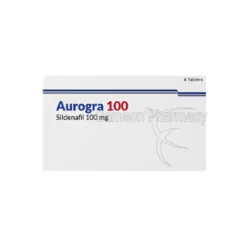
Sildenafil Citrate
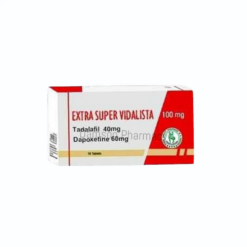
Tadalafil & Dapoxetine

Sildenafil Citrate

Sildenafil Citrate
Who Should Avoid ED Medications?
Certain people should not use specific ED medicines because the risks can be serious. Others may be able to use treatment after a clinician reviews their condition, adjusts the dose, or selects an alternative.
People Taking Nitrate Medicines
Nitrates are among the most important medicines to consider when assessing ED medication safety. They are commonly prescribed for chest pain caused by heart disease and include nitroglycerin and isosorbide preparations.
Combining sildenafil, tadalafil, vardenafil, or avanafil with nitrate medicines can cause a potentially dangerous fall in blood pressure. This may lead to dizziness, fainting, inadequate blood flow to vital organs, or other serious complications.
Nitrates may be prescribed for regular use or for occasional episodes of chest pain. Both situations matter when assessing the safety of ED treatment.
Recreational substances known as poppers may contain organic nitrites and also pose a serious interaction risk.
If you take nitrate medication, do not use a PDE5 inhibitor unless a specialist has explicitly addressed the contraindication and established a safe treatment plan. If chest pain occurs after taking an ED medicine, seek emergency assistance and tell the medical team which medicine you took and when. Do not take a nitrate on your own to treat the chest pain.
People Taking Riociguat
Riociguat is used to treat certain forms of pulmonary hypertension. It stimulates an enzyme involved in the nitric oxide signalling pathway and can lower blood pressure.
Combining riociguat with PDE5 inhibitors is contraindicated because the effects on blood pressure can be amplified. This can result in significant hypotension and related complications.
People taking riociguat should not start sildenafil, tadalafil, vardenafil, or another PDE5 inhibitor without specialist assessment. The medicines should not be combined, and any treatment change must be managed by the prescribing clinician.
People With Certain Serious Cardiovascular Conditions
Sexual activity increases the physical demands placed on the heart. For people with unstable cardiovascular disease, this additional strain may be unsafe, regardless of whether an ED medicine is used.
A medical assessment is particularly important for people with conditions such as:
- Unstable angina or poorly controlled chest pain.
- Uncontrolled high blood pressure.
- Severe heart failure with significant symptoms.
- A recent heart attack or stroke.
- Serious heart conditions that make sexual activity inadvisable.
These conditions do not all create the same level of risk, and the appropriate precautions depend on the individual situation. A history of heart disease does not automatically rule out every ED medicine. The key questions are whether the person’s cardiovascular condition is stable, whether sexual activity is safe, and which medicines they take.
People With Very Low Blood Pressure
PDE5 inhibitors can produce a modest reduction in blood pressure. For someone who already has very low blood pressure, this effect may increase the likelihood of dizziness, weakness, fainting, or other complications.
People who experience unexplained fainting, persistent dizziness, or symptoms associated with low blood pressure should be assessed before starting ED treatment.
Dehydration and certain medical conditions can also affect blood pressure. A clinician can evaluate these factors and determine whether treatment is appropriate.
People With a Previous Serious Allergic Reaction
Anyone with a known serious allergy to a particular ED medicine or one of its ingredients should avoid that product.
Allergic reactions may involve a rash, itching, swelling, or breathing difficulties. Severe reactions can be life-threatening.
Seek emergency care if swelling of the face or throat, difficulty breathing, or another severe allergic reaction occurs after taking a medicine.
An allergy to one product does not automatically establish an allergy to every medicine in the same class. However, an alternative should only be considered after a healthcare professional reviews the reaction and the ingredients involved.
Which Medicines Can Interact With ED Treatments?
Not every drug interaction means that ED treatment is prohibited. Some combinations require a lower starting dose, closer monitoring, or a different treatment option.
Alpha-Blockers and Blood Pressure Medicines
Alpha-blockers, including medicines used to treat prostate symptoms and high blood pressure, can lower blood pressure. Examples include doxazosin and terazosin.
When combined with a PDE5 inhibitor, the blood-pressure-lowering effects may become stronger. Some people may develop dizziness, light-headedness, or fainting, especially when standing up.
Other antihypertensive medicines may also contribute to lower blood pressure, although the degree of interaction varies by drug and patient.
Tell your clinician about every medicine you use for blood pressure or prostate symptoms. Depending on the combination, the clinician may recommend a different starting dose, adjust the timing, or consider another treatment.
Do not stop blood pressure medication to make an ED medicine easier to use.
Certain Antibiotics and Antifungal Medicines
Some antibiotics and antifungal drugs affect enzymes responsible for breaking down PDE5 inhibitors. This can increase the amount of ED medicine in the bloodstream and raise the risk of adverse effects.
Examples include erythromycin, clarithromycin, ketoconazole, and itraconazole. The importance of the interaction depends on the specific medicine, its strength, and the ED treatment being considered.
A clinician or pharmacist can check whether a dose adjustment or alternative is necessary. Do not assume that every antibiotic or antifungal has the same effect.
HIV Medicines and Other Drugs That Affect Drug Metabolism
Certain HIV medicines, particularly ritonavir-containing regimens, can substantially increase sildenafil exposure. Other medicines that inhibit drug-metabolizing enzymes may also affect the levels of specific PDE5 inhibitors.
The required precautions differ between sildenafil, tadalafil, vardenafil, and avanafil. A dose that is appropriate for one medicine may not be suitable for another.
People receiving treatment for HIV or other chronic conditions should provide a complete medication list before starting an ED medicine. This includes prescription drugs, over-the-counter medicines, and supplements.
Other ED Medicines and Recreational Nitrates
Combining two PDE5 inhibitors, such as sildenafil and tadalafil, can increase the risk of adverse effects without providing a proven safety advantage. These medicines should not be combined unless a specialist has specifically directed an appropriate treatment plan.
Using an ED medicine alongside another erectile dysfunction treatment can also increase risks, depending on the combination.
Recreational nitrates, including poppers, must not be used with PDE5 inhibitors because of the risk of severe hypotension.
Alcohol can contribute to dizziness and may worsen some side effects. Heavy drinking can also interfere with erectile function itself.
Health Conditions That Require Extra Caution
Some conditions do not automatically prohibit ED treatment but can change the medicine, dose, or monitoring needed.
Heart Disease and Recent Cardiovascular Events
People with stable cardiovascular disease may still be candidates for ED treatment. However, those with unstable symptoms or a recent major cardiovascular event may need further assessment before sexual activity or treatment is considered safe.
The clinician should review exercise tolerance, current symptoms, blood pressure, cardiovascular medicines, and the overall risk associated with sexual activity.
Anyone who develops chest pain, marked dizziness, or nausea during sexual activity should stop and seek medical assessment. Emergency personnel need to know if an ED medicine was taken recently because this can affect the treatment of chest pain.
Liver and Kidney Problems
The liver helps metabolize many medicines, while the kidneys contribute to eliminating drugs and their breakdown products. Significant impairment can change how the body handles some ED treatments.
Depending on the medicine and the severity of the condition, a lower dose, a different dosing schedule, or an alternative treatment may be appropriate.
People with liver or kidney disease should not choose a dose based solely on what another person takes. The correct approach depends on the specific medicine, other prescriptions, and clinical assessment.
Retinal Disorders and Previous Sudden Vision Loss
Rarely, PDE5 inhibitors have been associated with sudden visual disturbances, including a condition called non-arteritic anterior ischemic optic neuropathy (NAION).
People with a history of sudden vision loss or certain retinal disorders should discuss the risks with a clinician before using ED medicines. The decision depends on the diagnosis, individual risk factors, and the specific treatment.
Sudden loss of vision in one or both eyes after taking an ED medicine requires urgent medical attention. Do not take another dose until a healthcare professional has evaluated the problem.
Sickle Cell Disease and Conditions Associated With Priapism
Priapism is an erection that lasts unusually long and does not resolve normally. It can damage penile tissue if treatment is delayed.
People with sickle cell disease, certain blood cancers, or other conditions associated with priapism may have an increased risk of prolonged erections. These conditions warrant careful assessment before ED treatment.
An erection lasting four hours or longer is a medical emergency, even if it is not painful. Immediate treatment helps reduce the risk of permanent erectile damage.
Penile Deformities and Other Urological Conditions
Conditions such as Peyronie’s disease can cause penile curvature, scarring, pain, and difficulty with erections. These problems do not automatically prohibit PDE5 inhibitors, but they may influence the most appropriate treatment.
A healthcare professional can assess the underlying condition and discuss whether oral medicines, other therapies, or specialist treatment would be more suitable.
Can ED Medicines Cause Dangerous Side Effects?
ED medicines are generally tolerated by many people when used appropriately, but side effects can occur. Risks depend on the medicine, dose, health conditions, and interactions with other drugs.
Common Side Effects
Common side effects of PDE5 inhibitors may include:
- Headache
- Facial flushing.
- Indigestion.
- Nasal congestion.
- Dizziness.
- Temporary visual changes.
Tadalafil may also cause back pain or muscle aches in some people. Side-effect patterns differ between medicines, and not everyone experiences them.
Seek medical advice if symptoms persist, worsen, or interfere with normal activities.
Severe Low Blood Pressure and Fainting
A significant drop in blood pressure can cause severe dizziness, weakness, fainting, or collapse. The risk is especially concerning when a PDE5 inhibitor is combined with nitrates or riociguat.
Other contributing factors include certain blood pressure medicines, dehydration, and some underlying cardiovascular conditions.
Seek urgent care for collapse, fainting with ongoing symptoms, chest pain, or signs of a severe reaction.
Priapism: An Erection Lasting More Than Four Hours
Priapism is a prolonged erection that can become painful and damage the tissues responsible for erectile function.
If an erection lasts four hours or longer, seek emergency medical treatment. Do not wait for the erection to resolve on its own or take another ED medicine to manage it.
People with conditions that increase priapism risk should discuss precautions with their healthcare professional before starting treatment.
Sudden Vision or Hearing Changes
Sudden loss of vision or hearing has been reported in people taking PDE5 inhibitors, although these events are uncommon and may have other causes.
Stop taking the medicine and seek urgent medical assessment if sudden vision loss, significant hearing loss, or another severe sensory change occurs. Do not restart treatment until a clinician has reviewed the event.
How to Use ED Medication More Safely
Taking an ED medicine safely involves more than selecting a product or dose. The medicine must be appropriate for the person’s health, current prescriptions, and treatment goals.
Why Medical History and Medication Review Matter
Before prescribing an ED medicine, a healthcare professional should review relevant medical conditions and current treatments.
Be prepared to discuss:
- Heart disease, chest pain, and blood pressure problems.
- Kidney or liver disease.
- Previous vision or hearing problems.
- Conditions associated with prolonged erections.
- Prescription medicines, supplements, and recreational substances.
- Previous reactions to ED treatments.
A medication review can identify contraindications and interactions before they cause harm.
Why You Should Not Increase the Dose Yourself
Taking more ED medicine does not guarantee a stronger or more reliable erection. Higher doses can increase adverse effects, and some products have strict maximum recommended doses.
If a medicine does not work as expected, a clinician can review when it was taken, whether sexual stimulation occurred, possible food effects, underlying health conditions, and other medicines.
Do not take extra tablets, combine different ED medicines, or repeat a dose sooner than directed.
What to Tell Your Doctor Before Treatment
Explain what you want the treatment to achieve and whether you have tried other approaches. Mention any side effects from previous ED medicines and whether your symptoms started suddenly or developed gradually.
Ask which side effects are expected, which symptoms require urgent care, and what to do if you experience chest pain after taking the medicine.
If you use nitrate medication, riociguat, or another medicine that may interact with a PDE5 inhibitor, make sure the clinician knows before treatment is prescribed.
What Should You Do If You Experience a Serious Reaction?
Some reactions require emergency care rather than waiting for a routine appointment.
Seek immediate medical help if you experience:
- Chest pain, collapse, or severe breathing difficulties.
- An erection lasting four hours or longer.
- Sudden loss of vision or hearing.
- Signs of a severe allergic reaction, such as throat swelling or difficulty breathing.
If chest pain occurs after taking an ED medicine, stop sexual activity and seek emergency assistance. Tell emergency personnel the exact medicine, dose, and time it was taken. Do not take nitroglycerin or another nitrate yourself after using a PDE5 inhibitor.
For suspected overdose or an accidental extra dose, contact a healthcare professional or poison-information service promptly for advice. Seek emergency care if serious symptoms develop.
Frequently Asked Questions
Can people with heart disease take ED medication?
Some people with stable heart disease can use ED medicines after medical assessment. However, treatment may be unsuitable when cardiovascular disease is unstable or sexual activity is medically inadvisable. Nitrate use is a major contraindication to PDE5 inhibitors.
Can ED medication be taken with blood pressure medicine?
Sometimes. The safety of the combination depends on the specific blood pressure medicine, the ED treatment, and the person’s health. Alpha-blockers and other antihypertensives can increase the risk of low blood pressure, so a clinician may recommend a lower starting dose or additional precautions.
Are sildenafil and tadalafil safe to take together?
They should not be combined without explicit specialist direction. Both are PDE5 inhibitors, and using them together can increase the risk of adverse effects. If one medicine is ineffective, seek medical advice rather than adding another.
Can ED medication cause a dangerous drop in blood pressure?
Yes. The most important risk occurs when PDE5 inhibitors are combined with nitrate medicines or riociguat. Other medicines and health conditions can also increase the risk of symptomatic hypotension.
What should I do if I accidentally take too much ED medication?
Contact a healthcare professional or poison-information service promptly. Do not take another dose. Seek emergency assistance if you experience chest pain, fainting, severe dizziness, sudden vision changes, breathing difficulties, or an erection lasting four hours or longer.
Conclusion
ED medication safety depends on choosing a suitable treatment after reviewing medical conditions, current medicines, and individual risk factors. Nitrates and riociguat are major contraindications to PDE5 inhibitors, while alpha-blockers, certain antibiotics, antifungals, and other medicines may require additional precautions.
People with cardiovascular disease, low blood pressure, liver or kidney impairment, retinal disorders, or conditions associated with priapism may need an individualized assessment. These conditions do not all require avoiding every ED treatment, but they should not be overlooked.
Discuss your medical history and all medicines with a healthcare professional before starting treatment. Never increase the dose or combine ED medicines on your own, and seek urgent care for serious symptoms.
References
Add Damson Pharmacy as a Preferred Source to see more of our trusted content across Google Search, AI Overviews, and AI Mode.
Acknowledgment:
Damson Pharmacy only refers to credible, authoritative sources for our content. If you’re curious about how we ensure the integrity of our content, we encourage you to read our Content Information Policy.
