
Erectile Dysfunction Information
7 Restorative Therapies for Erectile Dysfunction


Apr
Erectile dysfunction (ED) is the inability to achieve or maintain an erection firm enough for satisfactory sexual activity. It can affect confidence, relationships, and quality of life. Although ED becomes more common with age, it is not an inevitable part of aging, and effective treatment options are available.
The most appropriate erectile dysfunction treatment depends on its underlying cause. Blood vessel problems, diabetes, hormonal changes, certain medications, stress, and other health conditions can all contribute to erection difficulties. In some cases, addressing these factors may improve erectile function. In others, medication, therapy, or a medical device may be needed.
The term restorative therapies can describe approaches intended to improve erectile function or address contributing factors. However, not all ED treatments restore natural erections permanently. Some help manage symptoms, while others may improve specific underlying problems.
This guide covers seven treatment approaches, what the evidence says about them, and how to discuss suitable options with a healthcare professional.
What Is Erectile Dysfunction?
Erectile dysfunction occurs when a person regularly has difficulty getting or keeping an erection sufficient for sexual activity. Occasional erection difficulties can happen, but persistent or recurring problems may require medical evaluation.
An erection depends on coordinated communication between the brain, nerves, blood vessels, hormones, and penile tissues. When one or more of these systems is affected, erectile function can change.
Common Causes of Erectile Dysfunction
ED can have physical, psychological, or mixed causes. Common contributing factors include:
- Cardiovascular conditions: High blood pressure, atherosclerosis, and other blood vessel disorders can reduce blood flow to the penis.
- Diabetes: High blood glucose can damage nerves and blood vessels involved in erections.
- Hormonal problems: Low testosterone may contribute to sexual symptoms in some men.
- Psychological factors: Stress, depression, performance anxiety, and relationship difficulties can affect sexual response.
- Medication effects: Certain antidepressants, blood pressure medicines, and other drugs may contribute to erection difficulties.
- Lifestyle factors: Smoking, excessive alcohol consumption, physical inactivity, and obesity may increase ED risk.
ED can sometimes be an early sign of an underlying cardiovascular or metabolic condition. A medical assessment can help identify contributing factors and guide treatment.
Can Erectile Dysfunction Be Reversed?
In some cases, erectile dysfunction improves when an underlying cause is addressed. For example, improving blood glucose control, becoming more physically active, stopping smoking, or treating a relevant psychological concern may help improve erectile function.
However, the outcome depends on the cause, severity, and duration of ED. Nerve damage, advanced vascular disease, or complications after pelvic surgery may require ongoing treatment.
There is no single erectile dysfunction cure that works for everyone. A realistic treatment goal is to improve erectile function, manage underlying health issues, and find an approach that suits the person’s medical needs and preferences.
Get Up to 90% Off on Medicines

Sildenafil Citrate
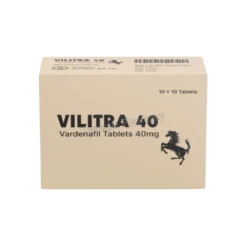
Vardenafil
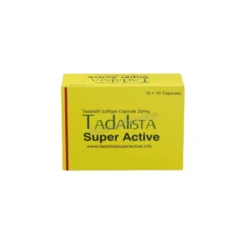
Tadalafil
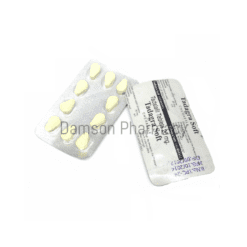
Tadalafil
7 Restorative Therapies for Erectile Dysfunction
The following seven approaches address different aspects of ED. Some have strong evidence for managing symptoms, while others may benefit selected individuals or have limitations that should be discussed before treatment.

1. Lifestyle Changes and Cardiovascular Health
Lifestyle changes are an important part of erectile dysfunction management, particularly when cardiovascular or metabolic risk factors contribute to the problem.
Regular physical activity, a balanced diet, weight management, smoking cessation, and limiting excessive alcohol consumption can support overall vascular health. Because erections depend on healthy blood flow, improvements in cardiovascular health may also benefit erectile function in some men.
Practical steps include:
- Exercise regularly: Choose activities such as brisk walking, cycling, or other exercise suited to your health and fitness.
- Follow a balanced diet: Emphasize vegetables, fruit, whole grains, legumes, and other nutrient-rich foods.
- Manage chronic conditions: Work with a healthcare professional to manage diabetes, high blood pressure, and cholesterol.
- Stop smoking: Smoking damages blood vessels and is associated with an increased risk of ED.
- Limit excessive alcohol: Heavy alcohol use can interfere with sexual function and overall health.
- Prioritize sleep: Address persistent sleep problems and discuss possible sleep disorders with a clinician.
Lifestyle changes may improve erectile function in some populations, but they are not guaranteed to resolve ED. They can also complement prescribed treatments rather than replace them.
2. Pelvic Floor Exercises for Erectile Dysfunction
Pelvic floor muscles help support pelvic organs and contribute to urinary control and sexual function. Targeted pelvic floor muscle training may improve erectile function for some men, particularly when the exercises are performed correctly and consistently.
The exercises involve contracting and relaxing the muscles used to stop the flow of urine or prevent passing gas. Urine flow can help identify the muscles, but repeatedly stopping urination should not be used as the regular exercise routine.
A structured program may include:
- Identifying the correct pelvic floor muscles.
- Contracting them without unnecessarily tightening the abdomen, buttocks, or thighs.
- Holding each contraction briefly, then fully relaxing the muscles.
- Practising consistently according to a suitable program.
Results vary, and pelvic floor exercises are not a universal treatment for ED. A pelvic health physiotherapist or healthcare professional can help determine whether this approach is appropriate and teach the correct technique.
3. Psychological Counseling and Sex Therapy
Psychological factors can cause or worsen erectile dysfunction, even when physical health also plays a role. Stress, depression, performance anxiety, and relationship concerns may interrupt the mental and physical processes involved in sexual arousal.
Counseling or sex therapy can help people identify these factors, develop coping strategies, and reduce anxiety associated with sexual activity. Cognitive behavioral therapy (CBT) may be useful when negative thought patterns or performance concerns contribute to symptoms.
Depending on the circumstances, therapy may involve an individual or a partner. It can also be combined with medical treatment when ED has both psychological and physical causes.
Seeking psychological support does not mean that erection difficulties are imaginary. It is one evidence-based way to address factors that can influence sexual function.
4. Prescription Medications for Erectile Dysfunction
Oral medications called phosphodiesterase type 5 (PDE5) inhibitors are among the main medical treatments for ED. They improve the erectile response by supporting blood flow to the penis during sexual stimulation.
Common examples include:
These medicines work through a related mechanism, but their onset, duration, dosing instructions, and suitability differ. The choice depends on medical history, other medications, preferences, and response to treatment.
PDE5 inhibitors help manage erectile dysfunction; they do not necessarily reverse the underlying cause. They also do not automatically produce an erection without sexual stimulation.
Safety is essential: PDE5 inhibitors must not be combined with nitrate medicines, such as nitroglycerin, because the combination can cause a dangerous drop in blood pressure. A healthcare professional should review relevant heart conditions and potential drug interactions before treatment.
5. Testosterone Therapy for Confirmed Testosterone Deficiency
Testosterone is a hormone involved in sexual desire and other aspects of male reproductive health. Low testosterone may contribute to reduced sexual desire and, in some cases, erectile difficulties.
Testosterone therapy may be considered when symptoms are consistent with testosterone deficiency and blood tests confirm low levels. It is not a general treatment for every man with ED, and it is not recommended simply to improve erections when testosterone levels are normal.
When ED and confirmed testosterone deficiency occur together, a clinician may consider testosterone treatment, sometimes alongside another ED treatment. The expected benefits depend on the individual’s condition, and testosterone therapy may not resolve ED caused primarily by vascular or nerve problems.
Treatment requires medical supervision because testosterone can have adverse effects and is not suitable for everyone. It can also suppress sperm production, which is important for men who wish to preserve fertility. Diagnosis and follow-up should be handled by a qualified healthcare professional.
6. Low-Intensity Shockwave Therapy
Low-intensity extracorporeal shockwave therapy uses low-intensity acoustic waves applied to penile tissue. It has been studied as a potential treatment for men whose erectile dysfunction is associated with impaired blood flow.
The proposed mechanism involves changes in tissue signaling and blood vessel function. Some clinical studies have reported modest improvements in erectile function, particularly in selected men with vasculogenic ED. However, results vary, and important questions remain about treatment protocols, durability of benefits, and which patients are most likely to respond.
The European Association of Urology discusses low-intensity shockwave therapy as an option for selected patients, but its recommendation is weak, reflecting limitations in the evidence. It should not be presented as a guaranteed cure or a proven way to permanently restore erections.
Before considering this treatment, ask a qualified urologist about the strength of the evidence, potential costs, alternative treatments, and whether your specific type of ED makes you a suitable candidate. Be cautious of clinics promising permanent results.
7. Vacuum Erection Devices
A vacuum erection device (VED), sometimes called a penis pump, is a non-drug option for managing erectile dysfunction. It uses a cylinder placed over the penis and a pump to create a vacuum that draws blood into the penile tissues.
Once an erection develops, a constriction ring may be placed around the base of the penis to help maintain it during sexual activity. The ring must be used according to the device instructions and should not remain in place longer than the recommended time.
Potential benefits include:
- Providing a non-invasive option for men who cannot use or prefer not to use ED medicines.
- Helping create an erection without taking a systemic medication.
- Offering a treatment option for some men after prostate surgery or when other treatments are unsuitable.
Possible drawbacks include bruising, discomfort, numbness, or a cooler-feeling penis. A healthcare professional can help with device selection and safe use, especially for people with bleeding disorders or those taking anticoagulants.
A vacuum erection device helps produce an erection when used. It does not necessarily repair the underlying cause of ED or permanently restore natural erectile function.
Which Restorative Therapy Is Right for You?
The most appropriate erectile dysfunction treatment depends on the cause of the problem, your general health, treatment preferences, and the benefits and risks of each option.
When lifestyle or health factors contribute
Lifestyle changes and treatment of conditions such as diabetes, hypertension, or high cholesterol may help address contributing factors.
When anxiety or relationship stress is involved
Counseling or sex therapy may help, either alone or alongside medical treatment.
When medication is suitable
A prescribed PDE5 inhibitor is often a first-line option. A clinician can check for contraindications and interactions.
When a non-drug option is preferred
A vacuum erection device may be suitable for some men after guidance on correct use.
When hormonal deficiency is suspected
Testing can establish whether testosterone deficiency is present before hormone treatment is considered.
Shockwave therapy may be discussed with a specialist in selected cases, but its benefits are less certain than those of established first-line treatments. The European Association of Urology recommends PDE5 inhibitors as first-line ED treatment and also emphasizes lifestyle changes and management of risk factors.
A medical evaluation is particularly important when erection difficulties are new, persistent, or accompanied by other symptoms. It can help identify underlying health issues and prevent unsuitable treatment choices.
Can Erectile Dysfunction Be Treated Permanently?
Sometimes erectile function improves substantially when a reversible cause is identified and treated. For example, changes in lifestyle, better management of a chronic condition, or addressing psychological factors may improve symptoms.
However, there is no universally effective permanent erectile dysfunction cure. Some men need ongoing medication or a device, while others may benefit from a combination of treatments. The outcome depends on factors such as vascular health, nerve function, hormonal status, and the underlying cause.
Be cautious of products or procedures advertised as guaranteed permanent solutions. In particular, platelet-rich plasma (PRP) injections and stem cell treatments for ED remain investigational, and current evidence is insufficient to recommend them for routine clinical use.
The most realistic goal is to improve erectile function safely, address modifiable causes, and find a treatment plan that provides meaningful benefits.
When Should You Seek Medical Advice?
Consider arranging a medical appointment if you regularly struggle to achieve or maintain an erection, if symptoms are worsening, or if ED affects your well-being or relationship.
A healthcare professional may review your medical and sexual history, current medications, blood pressure, and relevant blood tests. Depending on the circumstances, evaluation may include screening for diabetes, cardiovascular risk factors, or testosterone deficiency.
Do not stop prescribed medicines or start ED treatments or supplements without professional guidance. Some products marketed as natural sexual enhancers may contain undisclosed drug ingredients or interact with prescribed medicines.
Seek urgent medical attention for an erection lasting four hours or longer, or for chest pain or other serious symptoms during sexual activity.
Frequently Asked Questions
Can Erectile Dysfunction Improve Naturally?
Yes, erectile function may improve when contributing factors such as physical inactivity, smoking, excessive alcohol use, or poorly managed chronic conditions are addressed. However, lifestyle changes do not resolve every case, and persistent ED warrants medical evaluation.
Which Treatment Helps Restore Erectile Function?
There is no single best ED treatment for everyone. PDE5 inhibitors are a common first-line treatment, while lifestyle changes, psychological counseling, vacuum devices, and other medical treatments may be appropriate depending on the cause and individual circumstances.
Can Pelvic Floor Exercises Improve Erections?
Pelvic floor muscle training may improve erectile function in some men, but results vary. Correct technique and consistent practice matter, and a healthcare professional or pelvic health physiotherapist can help determine whether these exercises are suitable.
Does Testosterone Therapy Cure Erectile Dysfunction?
No. Testosterone therapy is intended for men with appropriately diagnosed testosterone deficiency. It may help address some symptoms associated with low testosterone, but it does not reliably resolve ED caused by vascular, neurological, or other factors.
Is Shockwave Therapy Effective for Erectile Dysfunction?
Some studies suggest that low-intensity shockwave therapy may modestly improve erectile function in selected men with blood-flow-related ED. However, evidence and treatment protocols remain limited, and lasting benefits are not guaranteed. Discuss the uncertainties with a qualified urologist before considering it.
Conclusion
The seven restorative therapies for erectile dysfunction covered here address different causes and aspects of sexual function. Lifestyle changes may improve overall vascular health, pelvic floor exercises may benefit some men, and counseling can help when psychological factors contribute. Prescription medications and vacuum erection devices offer established ways to manage erection difficulties, while testosterone therapy is appropriate only for confirmed deficiency. Low-intensity shockwave therapy may be considered for selected patients, but its benefits remain less certain.
The best erectile dysfunction treatment depends on the underlying cause, personal preferences, and medical history. Rather than pursuing a guaranteed cure, focus on an evidence-based approach that improves erectile function and supports long-term health. A qualified healthcare professional can help identify contributing factors and select a suitable treatment plan.
References
Acknowledgment:
Damson Pharmacy only refers to credible, authoritative sources for our content. If you’re curious about how we ensure the integrity of our content, we encourage you to read our Content Information Policy.
