
Erectile Dysfunction Information
Can Cycling Cause Erectile Dysfunction? What Research Says


Jun
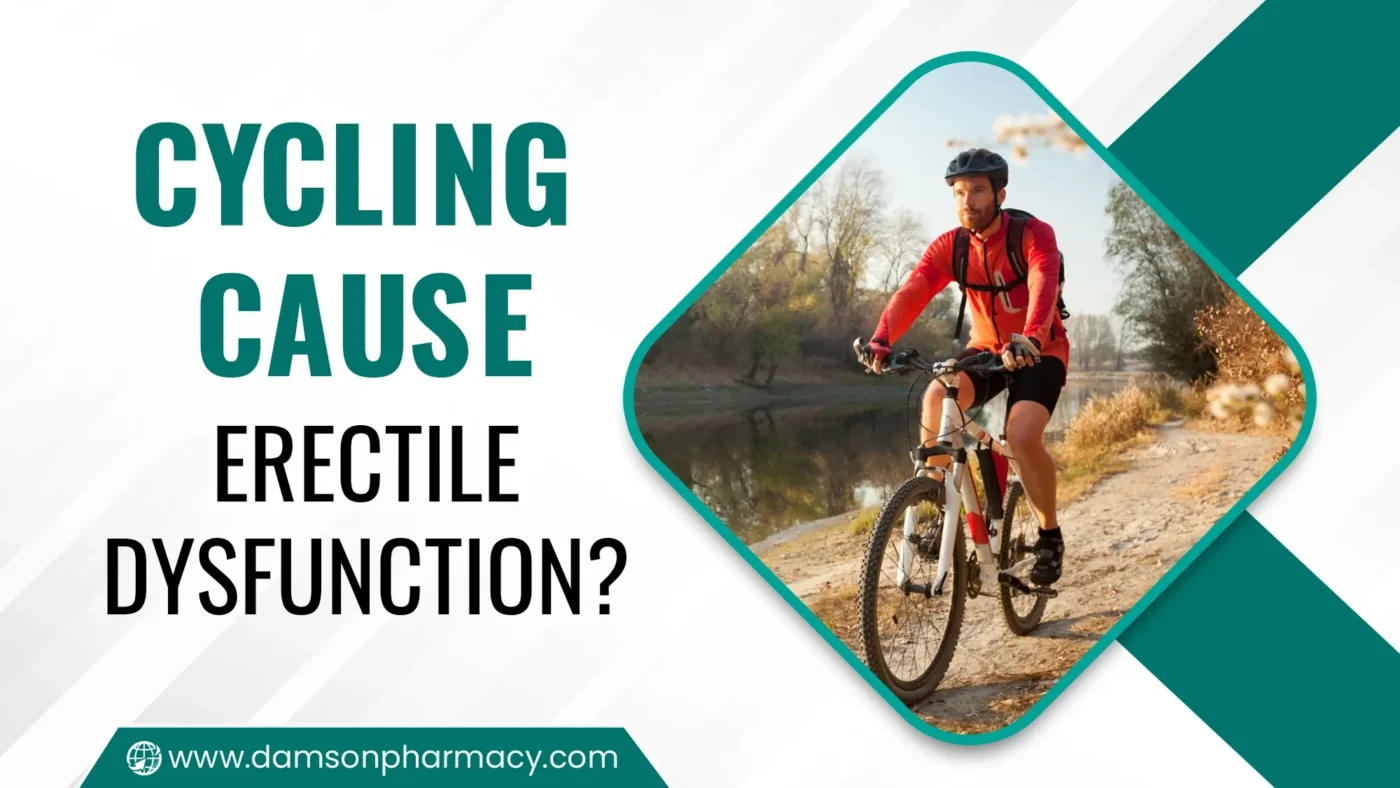
Can cycling cause erectile dysfunction? This question sounds extreme until you look at what actually happens to the perineal region after hours in the saddle. Answer is complicated than just yes or no, and it’s important for every man who rides regularly.
Cycling is best cardiovascular activity a person can do. The benefits of heart health, weight management and endurance accumulate quickly. But there is a specific mechanical problem that male long distance cyclists face, one that quietly lies at the intersection of anatomy and equipment design.
This article gets into what the research actually says. Not cycling panic, not dismissal just the evidence, what it means, and what you can do about it.
The Anatomy Behind the Problem
A bicycle saddle looks tight in middle, with a long nose pointing forward. This is the part you sit on when leaning forward; it sits directly under the perineum. Perineum is small but important piece of real estate. It houses the pudendal nerve which is responsible for sensation in the penis, scrotum, and surrounding area.
It is also located directly above the perineal artery, a branch of internal pudendal artery that supplies blood to penis. When rider leans forward and transfers weight to saddle nose, body mass focuses on ischial tuberosity, the sitting bones and soft tissue between them.
Prolonged perineal compression at that point directly compresses both nerve and artery. The result isn’t immediate dysfunction. It builds repeated rides, poor saddle fit, and aggressive forward lean, these accumulate into something measurable.
What Does Research Actually Show?
Study published in Journal of Urology measured penile blood flow in cyclists before and after long journeys. After 40 minutes on saddle, large percentage of riders showed significant reduction in blood flow to the penis enough to register as clinically relevant.
Studies assessing the IIEF score (International Index of Erectile Function) in competitive cyclist’s vs non-cyclists found lower scores across erectile function domains in cycling group. Correlation was dose dependent, more hours per week spent riding, more pronounced the effect.
Penile numbness is common reported symptom. It is not subtle; riders describe it as tingling, then a loss of sensation. This numbness is direct evidence of pudendal nerve compression in real time. When it goes untreated for several months or years, nerve tissue and blood vessels can sustain more permanent damage.
Arterial occlusion is most serious concern sustained compression of the perineal artery reduces oxygen delivery to penile tissue. The vascular mechanism underlying vascular ED cycling, in which the blood supply cannot respond to arousal signals.
Risk is measured with ride size, saddle type, ride position, and individual anatomy. A weekend rider faces a different profile than someone who scores 200 miles a week in an aggressive time trial position.
Get Up to 90% Off on Medicines
Sildenafil Citrate

Tadalafil & Dapoxetine
Sildenafil Citrate
Tadalafil
Cycling Cause Erectile Dysfunction: How They Interfere
Cycling poses a mechanical risk that fall in vascular and neurological categories. It does not operate alone. A rider who also smokes, sleeps poorly, carries a large abdominal weight, or rides under chronic stress doubles multiple risk factors at once.
The saddle pressure issue is one part of that picture. An important part, but not the whole story. Understanding it as a mechanical risk factor rather than a cycling death sentence gives you a more accurate frame for decision making.
Erection Types and What Compression Affects
The vascular route is disrupted by arterial occlusion at the perineum. The neurological route is disrupted by pudendal nerve compression. Nocturnal erections, which are the body’s natural maintenance mechanism for penile tissue health, may weaken over time if the arterial supply is chronically compromised.
Nocturnal erections are not just a curiosity. They maintain oxygenation of penile smooth muscle. Decreased night time erections over a long period contribute to the kind of tissue changes that make ED difficult to reverse.
Can Cycling Cause ED In Recreational Riders?
The honest answer is that risk exists, but it is strongly modifiable. Recreational cyclists ride several times a week, in a relatively upright position, on well equipped bike, face much lower risks than competitive riders who grind through multi hour sessions on aggressive saddle.
During or after a ride, penile numbness that takes more than a few minutes to resolve any change in frequency or quality of morning erections. These are early signals. Catching them early is the window for intervention before anything structural develops.
Volume alone is not the only variable. Saddle type, saddle tilt, handlebar height, and shorts padding all play measurable roles. A poorly fitted bike can cause more compression in one hour than a well fitted bike does in three.
How To Get Harder Erections Through Recovery?
If penile numbness has been a regular occurrence, recovery matters. How to get harder erections after a period of saddle related compression is largely about restoring normal blood flow and nerve function through structured rest, improved saddle setup, and where vascular function has been genuinely affected medical assessment.
Pelvic floor exercises have clinical support for improving erectile rigidity and blood flow to the penis. Consistent aerobic exercise cycling, with the right setup improves vascular health broadly. The cardiovascular benefits of cycling are not negated by the risk of compression; they are preserved when compression is managed properly.
What You Can Actually Do About It?
Saddle Selection
If switching to a saddle without a nose seems like a very radical change, a wide-channel or cut saddle provides a medium floor. The central cut removes pressure from the perineal midline where the artery and nerve sit while maintaining the familiar saddle shape.
Saddle pressure tilt matters too slight nose down tilt shifts weight backward toward the ischial tuberosity and off the perineum. Even a 10-15 degree downward angle measurably reduces soft-tissue compression.
Bike Fit and Position
An overly aggressive forward lean, common in road racing positions, shifts more weight to the saddle nose. Raising the handlebars even slightly shifts body weight backward. If you are spending serious time in the saddle and have never had a professional bike fit, it is worth the investment. The fit effects far more than comfort.
Ride Patterns and Shorts
Standing on the pedals periodically during long rides restores blood flow. Even thirty seconds of standing every fifteen minutes makes a measurable difference to perineal pressure accumulation. Quality cycling shorts with well designed chamois pad reduce direct pressure transmission. Not all chamois are equal thicker not always better, proper density and positioning matter more.
When Medical Support Becomes Relevant?
If saddle adjustments, rest, and posture changes do not restore normal erectile function after several weeks, a medical evaluation is the next appropriate step. A general practitioner or urologist can assess blood flow in penis, check the quality of nocturnal erection, and assess whether vascular ED cycling has progressed to the point where medication support is required.
Sildenafil is active compound in PDE5 inhibitors, and it works by enhancing nitric oxide signals, relaxing smooth muscles in blood vessels of penis and facilitating blood flow. Men whose vascular function has been damaged by prolonged stress can experience restoration of erection response while underlying vascular problem is addressed by lifestyle and equipment changes.
Conclusion
Does cycling cause erectile dysfunction? Under specific conditions yes, it can contribute. The mechanism is real, the research is consistent, and the anatomy makes the risk mechanically logical.
But the risk is not fixed the saddle design, bike fit, riding position, and riding patterns are all variables within the cyclist’s control. Cycling is worth protecting as part of routine. With right approach, you don’t have to choose between riding and your sexual health.
Frequently Asked Questions
How Many Hours of Cycling Per Week Increase ED Risk?
Three hours on a poorly fitted traditional saddle carries more risk than five hours on a noseless or cutout saddle with proper positioning.
Is Penile Numbness During Cycling Always a Warning Sign?
Penile numbness is the body’s clearest signal that nerve and vascular compression is exceeding what the tissue can comfortably manage.
Can Switching Saddles Actually Reverse Erectile Problems Caused by Cycling?
Yes, studies on noseless and cutout saddles show both a reduction in perineal pressure during riding and, in some subjects, improvement in IIEF scores and penile blood flow over time.
Should I Stop Cycling If I Notice ED Symptom?
A complete stop is rarely necessary if symptoms do not improve after these changes; a medical evaluation is appropriate next step.
Reference
Acknowledgment:
Damson Pharmacy only refers to credible, authoritative sources for our content. If you’re curious about how we ensure the integrity of our content, we encourage you to read our Content Information Policy.
