
Sleep Apnea and Erectile Dysfunction: The Hidden Connection


Jul
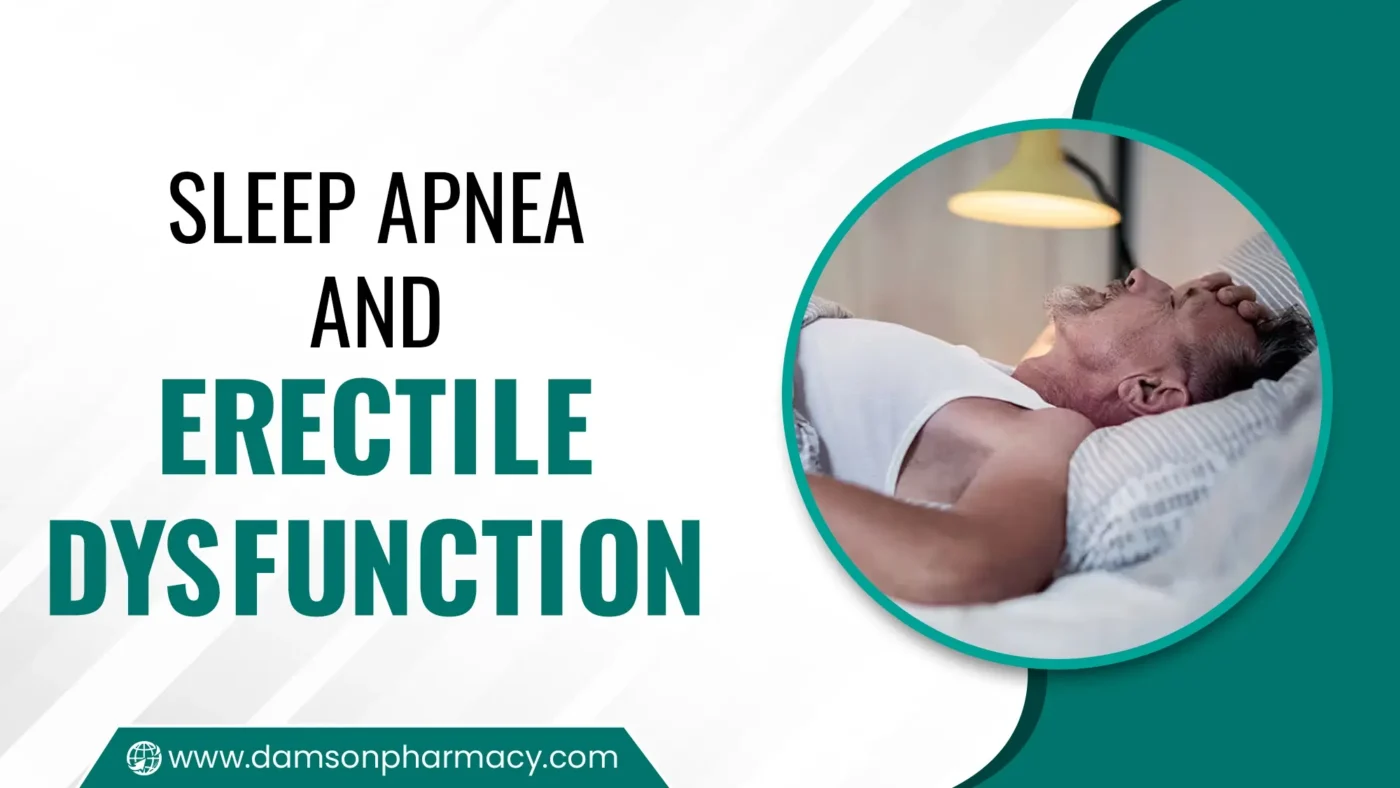
Sleep apnea and erectile dysfunction (ED) are two different health conditions, but they can occur together. Research has found a higher prevalence of erectile dysfunction among men with obstructive sleep apnea (OSA), and newer evidence suggests that greater OSA severity may be associated with poorer erectile function.
Obstructive sleep apnea causes repeated episodes of partial or complete upper-airway obstruction during sleep. These episodes can reduce oxygen levels, interrupt normal sleep, and place additional stress on the cardiovascular system. Over time, these changes may contribute to sexual difficulties in some men.
However, sleep apnea is not the only possible cause of ED. Age, obesity, diabetes, high blood pressure, cardiovascular disease, medications, low testosterone, smoking, psychological factors, and other health conditions can also affect erectile function.
Understanding the connection between these conditions can help men recognize when persistent sexual problems may deserve a broader health evaluation.
What Happens During Sleep Apnea?
Obstructive sleep apnea occurs when the upper airway repeatedly narrows or becomes blocked during sleep. When airflow is interrupted, oxygen levels can fall and the brain may briefly arouse the person to restore normal breathing.
These episodes can happen many times throughout the night, often without the person remembering them the next morning. The result may be fragmented sleep, daytime tiredness, difficulty concentrating, morning headaches, and other symptoms.
Common symptoms of sleep apnea include:
- Loud, frequent snoring
- Pauses in breathing noticed by a bed partner
- Gasping or choking during sleep
- Excessive daytime sleepiness or fatigue
- Dry mouth after waking
- Morning headaches
- Difficulty concentrating
- Waking frequently during the night
- Decreased libido or sexual dysfunction
Not everyone who snores has sleep apnea, and some people with sleep apnea may not snore loudly. Persistent symptoms should be discussed with a healthcare professional.
Get Up to 90% Off on Medicines
Sildenafil Citrate

Tadalafil & Dapoxetine

Sildenafil Citrate

Sildenafil Citrate
How Can Sleep Apnea Affect Erectile Function?
The relationship between sleep apnea and erectile dysfunction is likely to involve several overlapping mechanisms rather than one single cause.
Intermittent Low Oxygen Levels
During an obstructive sleep apnea episode, reduced airflow can cause blood oxygen levels to fall temporarily. Repeated episodes of intermittent hypoxia may contribute to oxidative stress, inflammation, and changes in vascular function.
Healthy blood vessels are important for normal erections. If vascular function is impaired, the body may have more difficulty producing and maintaining the blood flow required for an erection.
This does not mean that every episode of reduced oxygen directly causes ED. Instead, repeated nighttime breathing disturbances may contribute to a broader pattern of vascular and metabolic changes associated with erectile dysfunction.
Sleep Fragmentation and Fatigue
Sleep apnea can repeatedly interrupt normal sleep architecture. Even when a person does not fully wake up, repeated arousals can prevent restorative sleep.
Poor-quality sleep may contribute to daytime fatigue, reduced energy, mood changes, and lower sexual interest. These effects can also influence intimacy and sexual performance.
Fatigue alone does not necessarily cause erectile dysfunction, but persistent sleep disruption can become one factor affecting sexual health.
Endothelial and Vascular Function
An erection depends on the coordinated function of the nervous system, blood vessels, and erectile tissues of the penis.
The endothelium, the inner lining of blood vessels, plays an important role in regulating blood flow. OSA-related intermittent hypoxia and other cardiovascular risk factors may contribute to endothelial dysfunction.
Because vascular health is important for erections, this may be one of the biological pathways connecting OSA with ED.
Cardiovascular and Metabolic Factors
Sleep apnea commonly occurs alongside conditions such as obesity, hypertension, insulin resistance, and cardiovascular disease. These conditions can also increase the risk of erectile dysfunction.
This overlap makes it difficult to say that sleep apnea alone is responsible for ED in a particular person. In many cases, several risk factors may contribute at the same time.
Can Sleep Apnea Affect Testosterone?
Testosterone levels are influenced by sleep, age, body weight, overall health, and several other factors. Testosterone normally follows a daily pattern, with levels generally increasing during sleep and reaching higher levels in the morning.
Some studies have found an association between obstructive sleep apnea and lower testosterone levels, particularly in men who also have obesity or other health conditions. However, the relationship is complex, and low testosterone should not automatically be attributed to sleep apnea.
Low testosterone can be associated with reduced sexual desire and may contribute to erectile difficulties in some men. If symptoms suggest testosterone deficiency, a healthcare professional can determine whether morning testosterone testing and further evaluation are appropriate.
Treating sleep apnea should not be promoted as a guaranteed way to restore testosterone levels.
Is Erectile Dysfunction a Sign of Cardiovascular Problems?
Erectile dysfunction can sometimes provide an important clue about a man’s cardiovascular health.
The blood vessels involved in erectile function are sensitive to vascular changes. Conditions such as high blood pressure, diabetes, high cholesterol, smoking, obesity, and cardiovascular disease can impair blood-vessel function and also contribute to ED.
The American Urological Association recommends counseling men that ED can be a risk marker for underlying cardiovascular disease and other health conditions.
This does not mean that every man with ED has heart disease. However, persistent or unexplained ED is worth discussing with a healthcare professional, particularly when other cardiovascular risk factors are present.
Can Diabetes Connect Sleep Apnea and Erectile Dysfunction?
Diabetes is another important condition to consider when sleep apnea and ED occur together.
Long-term high blood glucose can damage nerves and blood vessels involved in normal erectile function. Diabetes can therefore make it more difficult to achieve or maintain an erection.
OSA is also associated with metabolic problems such as insulin resistance. When sleep apnea, diabetes, obesity, and cardiovascular risk factors occur together, their effects on overall health and sexual function may overlap.
Managing blood glucose and addressing other metabolic risk factors can be an important part of protecting sexual and cardiovascular health.
How Is Sleep Apnea Diagnosed?
Sleep apnea cannot be diagnosed reliably from symptoms alone.
A healthcare professional may review your symptoms, medical history, risk factors, medications, and sleep patterns before recommending a sleep test.
Depending on the individual situation, testing may include:
- Polysomnography: An overnight sleep study that records breathing, oxygen levels, heart rate, brain activity, and other measurements.
- Home sleep apnea testing: A portable test that can be appropriate for selected adults when obstructive sleep apnea is suspected.
The results can help determine whether sleep apnea is present and provide information about its severity. One commonly used measurement is the apnea-hypopnea index (AHI), which reflects the number of breathing interruptions or reductions recorded per hour of sleep.
A proper diagnosis is important because treatment depends on the type and severity of sleep apnea.
Can Treating Sleep Apnea Improve Erectile Dysfunction?
Treating sleep apnea may improve erectile function in some men, but it should not be presented as a guaranteed cure for ED.
CPAP Therapy
Continuous positive airway pressure (CPAP) is a common treatment for obstructive sleep apnea. The device delivers a continuous flow of pressurized air through a mask to help keep the upper airway open during sleep.
Studies examining CPAP and sexual function have reported improvements in erectile function in some men. However, the degree of improvement varies, and ED may continue even after sleep apnea is treated.
If erectile difficulties persist, they should be evaluated separately rather than assuming that CPAP alone will resolve them.
Oral Appliances
Some people with obstructive sleep apnea may be candidates for a custom oral appliance. These devices can help prevent the upper airway from becoming blocked during sleep.
Suitability depends on the type and severity of sleep apnea and should be determined with appropriate medical evaluation.
Lifestyle Changes
Lifestyle measures can support the management of sleep apnea and cardiovascular health. Depending on an individual’s health status, these may include:
- Maintaining a healthy weight
- Getting regular physical activity
- Limiting alcohol, particularly close to bedtime
- Avoiding smoking
- Maintaining a consistent sleep schedule
- Following the treatment plan recommended by a healthcare professional
Lifestyle changes can be helpful, but they should not replace prescribed treatment for moderate or severe sleep apnea.
Lifestyle Measures That May Support Sexual Health
Healthy habits can benefit both cardiovascular health and sexual function.
Maintain a Healthy Weight
For people who are overweight or have obesity, weight reduction may improve the severity of obstructive sleep apnea and can also benefit cardiovascular and metabolic health.
Because excess weight is also associated with ED, maintaining a healthy weight may support erectile function as part of a broader approach to health.
Exercise Regularly
Regular physical activity supports cardiovascular fitness, blood-vessel health, metabolic health, and weight management.
These factors are relevant to erectile function because healthy erections depend partly on adequate vascular function.
Limit Alcohol
Alcohol can worsen sleep quality and may aggravate sleep-disordered breathing in some people, particularly when consumed close to bedtime.
Excessive alcohol use can also contribute to erectile difficulties. Limiting alcohol may therefore benefit both sleep and sexual health.
Stop Smoking
Smoking damages blood vessels and is a recognized risk factor for erectile dysfunction and cardiovascular disease.
Quitting smoking can support vascular health and reduce several health risks associated with both ED and sleep apnea.
Maintain a Consistent Sleep Routine
A regular sleep schedule and healthy sleep habits can support overall sleep quality. However, good sleep hygiene alone does not treat obstructive sleep apnea when a person has an underlying airway obstruction.
If symptoms suggest sleep apnea, medical evaluation is more important than relying solely on sleep-hygiene measures.
Does Treating Sleep Apnea Automatically Fix Erectile Dysfunction?
No.
Sleep apnea may be one contributing factor, but erectile dysfunction often has multiple causes. Treating OSA can improve sleep quality and overall health and may improve erectile function in some men, but persistent ED may require additional evaluation.
A healthcare professional may consider factors such as:
- Cardiovascular health
- Blood pressure
- Diabetes or blood glucose
- Cholesterol
- Body weight
- Testosterone levels
- Medications
- Smoking and alcohol use
- Psychological or relationship factors
- Other underlying medical conditions
This broader assessment can help identify the most appropriate treatment.
When Should You See a Doctor?
Consider speaking with a healthcare professional if you regularly experience symptoms such as:
- Loud snoring with pauses in breathing
- Gasping or choking during sleep
- Excessive daytime sleepiness
- Persistent morning headaches
- Difficulty concentrating
- Reduced sexual desire
- Repeated difficulty achieving or maintaining an erection
- Newly developed or worsening erectile dysfunction
You should also seek medical attention if ED develops suddenly or occurs together with symptoms that could indicate a cardiovascular problem.
Do not assume that erectile dysfunction is simply a normal part of aging. Persistent ED deserves appropriate medical evaluation.
What Science Does and Does Not Tell Us
Current research supports a meaningful association between obstructive sleep apnea and erectile dysfunction. A 2026 systematic review and meta-analysis found that greater OSA severity was associated with poorer erectile-function scores, while higher minimum oxygen saturation was associated with better erectile-function scores. The researchers also noted important limitations, including substantial variation between studies and the influence of factors such as age.
This evidence supports a relationship between the two conditions, but it does not mean that sleep apnea is the sole cause of ED in every man.
Likewise, treating sleep apnea may improve erectile function in some patients, but improvement is not guaranteed. Other causes of ED may need to be identified and treated separately.
Frequently Asked Questions
Can sleep apnea cause erectile dysfunction?
Sleep apnea is associated with a higher prevalence of erectile dysfunction, but it is not necessarily the only cause. Intermittent hypoxia, disrupted sleep, vascular dysfunction, cardiovascular risk factors, and other health conditions may contribute to ED.
Can CPAP improve erectile dysfunction?
CPAP treatment may improve erectile function in some men with obstructive sleep apnea. However, the response varies, and CPAP should not be considered a guaranteed treatment for ED.
Does sleep apnea lower testosterone?
Sleep apnea has been associated with lower testosterone levels in some men, but testosterone is influenced by many factors, including age, obesity, sleep quality, and overall health. Low testosterone should be confirmed through appropriate medical evaluation rather than assumed.
Should men with erectile dysfunction be checked for sleep apnea?
Men with ED who also have symptoms or risk factors for sleep apnea may benefit from discussing those symptoms with a healthcare professional. Screening for sleep apnea can be particularly relevant when there is loud snoring, witnessed breathing pauses, gasping during sleep, or excessive daytime sleepiness.
Can losing weight help with sleep apnea and erectile dysfunction?
For people who are overweight or have obesity, weight loss may reduce the severity of obstructive sleep apnea and improve several cardiovascular and metabolic risk factors associated with ED. The amount of benefit varies between individuals.
Conclusion
Sleep apnea and erectile dysfunction are closely associated, but the relationship is more complex than simply saying that poor sleep causes erection problems.
Repeated breathing interruptions, intermittent hypoxia, sleep fragmentation, endothelial dysfunction, cardiovascular risk factors, metabolic conditions, and hormonal factors may all play a role. At the same time, ED can have many other causes that need to be considered.
If you have symptoms of sleep apnea and persistent erectile difficulties, addressing both concerns with a healthcare professional is a sensible approach. Proper diagnosis and treatment of sleep apnea can improve sleep and overall health and may improve erectile function in some men.
Most importantly, persistent ED should not be dismissed as an unavoidable part of aging. It can sometimes provide an opportunity to identify cardiovascular, metabolic, hormonal, or other health problems that deserve attention.
Reference
Acknowledgment:
Damson Pharmacy only refers to credible, authoritative sources for our content. If you’re curious about how we ensure the integrity of our content, we encourage you to read our Content Information Policy.
