
How Long Does Sildenafil Last? Duration & Key Insights


Jun
Sildenafil is a medication commonly used to treat erectile dysfunction (ED). It helps increase blood flow to the penis during sexual stimulation, making it easier to achieve and maintain an erection. One of the most common questions about this medicine is how long its effects last and how soon they begin.
Sildenafil typically helps support erections for up to about four hours, although the strength of its effect varies from person to person and generally decreases over time. This does not mean an erection lasts continuously for four hours. Sexual stimulation is still necessary, and the medicine does not automatically cause an erection.
Understanding its onset, duration, metabolism, and safety precautions can help you develop realistic expectations about sildenafil.
How Long Does Sildenafil Last?
Sildenafil’s effects on erectile function can last for approximately four hours after a dose, although the useful window varies between individuals. Some people may notice a shorter period of effectiveness, while others may still respond to sexual stimulation several hours after taking it.
The duration depends on factors such as dosage, food intake, individual metabolism, overall health, and other medicines being taken.
It is important to distinguish between the duration of the erectile effects and the time sildenafil remains in the body. The medicine can remain detectable after its strongest effects have diminished.
Sildenafil is not intended to produce a continuous erection. Instead, it helps the body respond to sexual stimulation during the period when the medicine is active.
How Long Does Sildenafil Take to Work?
Sildenafil usually starts working within 30 to 60 minutes, although some people may notice effects sooner or later. For many people, taking it about one hour before sexual activity allows enough time for the medicine to be absorbed.
The time it takes to work can vary according to food intake, dosage, metabolism, and individual response. Taking sildenafil after a high-fat meal can delay its absorption, so it may take longer to become effective.
Sildenafil does not cause an automatic erection as soon as you take it. Sexual stimulation is necessary for the medicine to help produce an erection.
How Does Sildenafil Work in the Body?
Sildenafil belongs to a group of medicines called phosphodiesterase type 5 (PDE5) inhibitors. It treats erectile dysfunction by helping improve blood flow to the penis during sexual stimulation.
When sexual stimulation occurs, the body releases nitric oxide in penile tissues. This activates an enzyme that increases levels of cyclic guanosine monophosphate (cGMP), a chemical messenger that relaxes smooth muscle and allows blood vessels to widen.
The PDE5 enzyme normally breaks down cGMP. Sildenafil inhibits PDE5, helping cGMP remain active for longer and supporting increased blood flow into the penis. This can make it easier to achieve and maintain an erection when sexually aroused.
Sildenafil does not directly increase sexual desire, and it does not cure the underlying causes of erectile dysfunction. Its role is to support the body’s natural erectile response.
Get Up to 90% off on Medicines
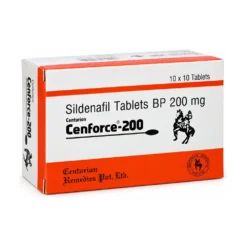
Sildenafil Citrate
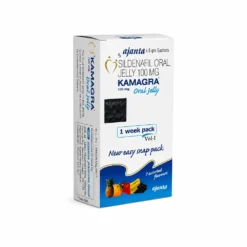
Sildenafil Citrate
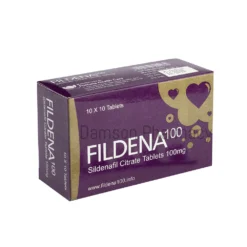
Sildenafil Citrate

Sildenafil Citrate
What Factors Affect How Long Sildenafil Lasts?
The duration and effectiveness of sildenafil can differ between individuals. Several factors influence how quickly it starts working and how long it continues to help with erections.
Sildenafil Dosage
Sildenafil is commonly prescribed in 25 mg, 50 mg, and 100 mg tablets for erectile dysfunction. The appropriate dose depends on individual response, tolerability, medical history, and other medicines.
A higher dose may produce a stronger effect for some people, but it does not necessarily make the medicine last proportionally longer. Higher doses can also increase the likelihood of side effects.
Do not increase your dose or take an additional tablet simply because the effects seem to wear off. Follow your prescription and consult your healthcare professional if the medicine is not working as expected.
Food and High-Fat Meals
Food can influence how quickly sildenafil is absorbed. Although it can be taken with or without food, a high-fat meal may delay its onset.
For example, taking sildenafil immediately after a large, fatty meal may mean waiting longer before noticing its effects. This primarily affects how quickly the medicine reaches its peak concentration, rather than guaranteeing a longer duration of action.
Age and Overall Health
Age and certain health conditions can influence how the body processes sildenafil. The medicine is primarily metabolized by the liver, and impaired liver function or severe kidney impairment may increase exposure to the drug.
Older adults may also have other health conditions or take medicines that affect sildenafil’s concentration and safety. A healthcare professional may need to adjust the dose based on these factors.
Individual response can also depend on the cause of erectile dysfunction. For example, diabetes, nerve damage, and vascular conditions may affect how well sildenafil supports erections, even when the medicine is taken correctly.
Other Medications and Drug Interactions
Certain medicines can change sildenafil’s effects or increase the risk of side effects. Some antibiotics, antifungal medicines, and HIV treatments can affect the enzymes responsible for metabolizing sildenafil.
Nitrates used for chest pain are particularly important because combining them with sildenafil can cause a dangerous drop in blood pressure. Sildenafil can also interact with alpha blockers and other blood pressure medicines, potentially causing dizziness or low blood pressure.
Tell your prescriber about all prescription medicines, over-the-counter products, and supplements you take. Do not change doses or combine treatments to try to extend sildenafil’s effects without medical advice.
Does Sildenafil Keep You Erect the Entire Time?
No. Sildenafil does not cause a continuous erection for the duration of its effects.
Instead, it helps the body respond to sexual stimulation by supporting blood flow to the penis. An erection develops when the necessary physiological processes are activated and may subside after sexual activity or when stimulation ends.
A person may be able to achieve another erection later while sildenafil remains active, depending on arousal, physical health, and individual response. However, the medicine does not guarantee repeated erections or a particular level of sexual performance.
An erection that lasts four hours or longer is a medical emergency, even if it is not painful. Seek emergency medical care immediately because delayed treatment can cause lasting tissue damage.
How Long Does Sildenafil Stay in Your System?
Sildenafil’s time in the body is different from the period during which it helps with erections.
The medicine has a terminal half-life of approximately four hours. This means that the amount of sildenafil in the blood decreases by about half over that period during the terminal elimination phase. Its active metabolite also has a half-life of approximately four hours.
A half-life does not mean that the medicine has completely left the body after four hours. Several half-lives are generally needed for most of a drug to be eliminated, and the exact time varies with metabolism, liver function, kidney function, and interacting medicines.
For this reason, sildenafil may remain in the body after its strongest effects on erectile function have diminished. The time it remains in the body should not be used as a reason to take another dose early.
Can You Make Sildenafil Last Longer?
There is no reliable, medically established method for extending sildenafil’s duration beyond its expected effects. However, taking it according to the prescription can help you get the intended benefit.
Consider the following points:
- Plan the timing: Sildenafil commonly starts working within 30 to 60 minutes. Follow your prescriber’s instructions about when to take it.
- Consider meal timing: A high-fat meal may delay the medicine’s onset. Be aware of this when planning sexual activity.
- Avoid excessive alcohol: Drinking heavily alcohol can make erections more difficult and may increase dizziness or other side effects.
- Take only the prescribed dose: Increasing the dose or taking extra tablets does not reliably extend the duration and can increase risks.
- Discuss ongoing difficulties with a clinician: If sildenafil does not provide the expected benefit, a healthcare professional can assess possible causes and review your treatment.
Do not combine sildenafil with other erectile dysfunction medicines or unregulated sexual enhancement products in an attempt to prolong its effects. These combinations may be unsafe.
What Are the Side Effects of Sildenafil?
Sildenafil can cause side effects, although not everyone experiences them. Most common side effects are mild and temporary.
Common side effects include:
- Headache
- Facial flushing
- Indigestion
- Nasal congestion
- Dizziness
- Nausea
- Temporary visual changes, such as blurred vision or changes in color perception
The likelihood of side effects may increase with higher doses or certain drug interactions. If side effects are persistent or troublesome, consult a healthcare professional.
Seek urgent medical attention for chest pain, sudden loss of vision or hearing, a severe allergic reaction, or an erection lasting four hours or longer. If you experience chest pain after taking sildenafil, seek emergency assistance and tell the medical team when you took the medicine. Do not take nitrates to treat chest pain after sildenafil unless emergency clinicians specifically direct your care.
Safety Precautions When Taking Sildenafil
Sildenafil is not suitable for everyone. Before taking it, discuss your medical history and current medicines with a qualified healthcare professional.
Keep these precautions in mind:
- Avoid nitrates: Do not take sildenafil with nitroglycerin, isosorbide medicines, or recreational products known as poppers. The combination can cause a dangerous fall in blood pressure.
- Discuss heart and blood pressure conditions: Sexual activity and sildenafil may be unsuitable for some people with particular cardiovascular conditions.
- Check for drug interactions: Alpha blockers, some blood pressure medicines, and certain drugs that affect liver enzymes may require additional precautions or dose adjustments.
- Follow the prescribed dose: For erectile dysfunction, sildenafil is generally taken as needed and should not be taken more than once in 24 hours unless a specialist has given different instructions for a specific medical indication.
- Do not combine ED medicines without guidance: Using sildenafil with another PDE5 inhibitor or erectile dysfunction treatment may increase the risk of adverse effects.
Sildenafil is also prescribed for pulmonary arterial hypertension, but dosing and treatment schedules for that condition differ from those used for erectile dysfunction. Always follow the instructions for your specific prescription.
Frequently Asked Questions
Does Sildenafil Last Longer at 100 mg?
Not necessarily. A 100 mg dose may provide a stronger response for some people than a lower dose, but it does not reliably extend the duration of action. Higher doses may increase side effects. The appropriate dose depends on individual response and medical advice.
Can Sildenafil Work After 4 Hours?
Some people may still respond to sexual stimulation around four hours after taking sildenafil, although its effects generally diminish over time. The duration varies by individual. An erection lasting four hours or longer requires emergency medical attention.
Does Food Affect How Long Sildenafil Lasts?
Food can affect how quickly sildenafil begins working. A high-fat meal may delay absorption and its onset of action. This does not necessarily mean the medicine will last longer.
Can You Take Sildenafil Again After It Wears Off?
Do not take another dose simply because you feel the effects have worn off. For erectile dysfunction, sildenafil generally should not be taken more than once in 24 hours. If the prescribed dose is not effective, discuss your options with your healthcare professional rather than taking extra tablets.
Does Sildenafil Work Without Sexual Stimulation?
No. Sildenafil supports the physiological processes needed for an erection during sexual stimulation. It does not automatically cause an erection or directly increase sexual desire.
Conclusion
Sildenafil typically helps support erections for up to about four hours, although its effectiveness varies and decreases over time. It commonly starts working within 30 to 60 minutes, while its half-life in the body is approximately four hours.
Factors such as dosage, high-fat meals, health conditions, and drug interactions can influence its onset, effectiveness, and safety. Sildenafil does not cause a continuous erection, and taking a higher dose does not guarantee longer-lasting effects.
For safe use, follow your prescription, avoid nitrates, and consult a healthcare professional if sildenafil is ineffective or causes troublesome side effects. Seek emergency care for an erection lasting four hours or longer.
Reference
Acknowledgment:
Damson Pharmacy only refers to credible, authoritative sources for our content. If you’re curious about how we ensure the integrity of our content, we encourage you to read our Content Information Policy.
