
Premature Ejaculation: A Complete Guide to Causes, Diagnosis and Treatment


Nov
Premature ejaculation (PE) is a common male sexual-health concern in which ejaculation happens sooner than desired, with limited ability to delay it. It can affect sexual satisfaction, confidence and relationships. Some men experience it from their first sexual experiences, while others develop the problem after previously having satisfactory control.
However, ejaculating quickly on an occasional basis does not automatically mean someone has premature ejaculation. Medical assessment considers more than timing. The ability to control ejaculation, how frequently the problem occurs and the distress it causes are also important.
Understanding the type and possible cause of premature ejaculation can help identify suitable treatment. Options include behavioural techniques, psychological support, topical anaesthetics and prescription medicines.
What Is Premature Ejaculation?
Premature ejaculation is a sexual dysfunction characterised by ejaculation that occurs earlier than desired, with little perceived control and associated personal distress or relationship difficulties.
Doctors may consider intravaginal ejaculatory latency time (IELT), which refers to the time between vaginal penetration and ejaculation. However, there is no single time limit that diagnoses every case.
For example, lifelong premature ejaculation is commonly associated with ejaculation within approximately one minute of penetration from the beginning of a person’s sexual experience. Acquired PE involves a noticeable reduction in ejaculation time after a period of previously satisfactory control.
When Does Early Ejaculation Become a Medical Concern?
Occasional early ejaculation is common and may occur because of excitement, stress, changes in sexual activity or other temporary factors.
It may warrant medical assessment when:
- Ejaculation occurs earlier than desired on most or nearly all occasions.
- There is little ability to delay ejaculation.
- The pattern persists over time.
- It causes frustration, anxiety or relationship difficulties.
The duration of intercourse alone does not determine whether someone has a medical condition.
How Premature Ejaculation Affects Sexual Health
Persistent PE can affect sexual confidence and create anxiety around intimacy. Some men avoid sexual activity because they worry about ejaculating too quickly.
It can also affect relationships when partners experience frustration, reduced satisfaction or difficulty discussing sexual concerns.
Premature ejaculation is a recognised sexual-health condition, and effective management options are available.
What Are the Different Types of Premature Ejaculation?
Premature ejaculation is commonly classified into four types. Identifying the type helps healthcare professionals decide whether medication, behavioural support or treatment of an underlying condition is appropriate.
1. Lifelong Premature Ejaculation
Lifelong PE is present from the beginning of a person’s sexual experiences. Ejaculation usually occurs very quickly, often within approximately one minute of penetration, and the individual has persistent difficulty delaying it.
Biological and neurological factors may contribute, although the exact mechanisms are not fully understood.
2. Acquired Premature Ejaculation
Acquired PE develops after a period when ejaculation control was previously satisfactory.
It may be associated with erectile dysfunction, prostatitis, thyroid disorders, psychological stress, relationship difficulties or medication-related factors.
Identifying and treating an underlying condition is an important part of managing acquired PE.
3. Variable Premature Ejaculation
Variable PE involves occasional or inconsistent episodes of early ejaculation.
It may reflect normal variations in sexual performance rather than a persistent medical disorder. Reassurance and education may be more appropriate than medication when symptoms are occasional.
4. Subjective Premature Ejaculation
Subjective PE occurs when someone believes they ejaculate too quickly even though their ejaculation time may fall within a typical range.
The concern may relate to expectations, sexual confidence, anxiety or comparisons with unrealistic ideas about intercourse duration.
Counselling and accurate information about normal sexual variation may help.
Get Up to 90% off on Medicines
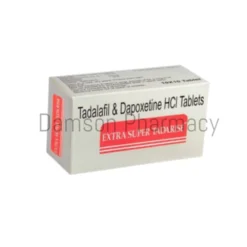
Tadalafil & Dapoxetine
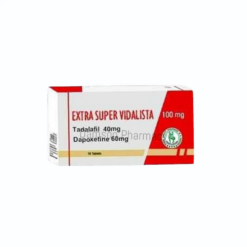
Tadalafil & Dapoxetine
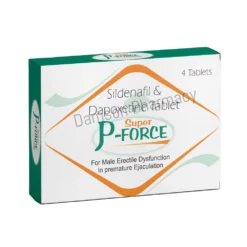
Sildenafil & Dapoxetine

Tadalafil & Dapoxetine
What Causes Premature Ejaculation?
There is no single cause of premature ejaculation. Biological, psychological and relationship-related factors may contribute, and their importance differs between individuals.
Biological and Neurological Factors
Ejaculation involves communication between the brain, spinal cord and reproductive system. Changes in the pathways that regulate ejaculation may influence how quickly it occurs.
Neurotransmitters, particularly serotonin, play a role in regulating ejaculatory timing. Differences in serotonin signalling are considered one possible factor in lifelong PE, but they do not explain every case.
Psychological Factors and Performance Anxiety
Stress and performance anxiety can contribute to difficulty controlling ejaculation.
Worrying about sexual performance may increase tension and make it harder to focus on sexual sensations. Previous experiences of early ejaculation can also create anxiety before future sexual activity.
Depression, relationship difficulties and emotional distress may contribute in some individuals.
Erectile Dysfunction and Premature Ejaculation
Erectile dysfunction (ED) and PE can occur together.
Some men who have difficulty maintaining an erection may rush sexual activity because they fear losing their erection. This can contribute to early ejaculation.
In other cases, anxiety related to PE may affect erectile confidence.
When both conditions are present, assessing and treating ED may be an important first step.
Prostatitis and Other Medical Conditions
Acquired PE may sometimes be associated with medical conditions, including:
- Prostatitis or chronic pelvic pain.
- Lower urinary tract symptoms.
- Hyperthyroidism.
- Erectile dysfunction.
- Certain medication effects.
These conditions do not cause PE in every person, and treatment should be based on an appropriate medical assessment.
What Are the Symptoms of Premature Ejaculation?
The main features of PE involve ejaculation timing, limited control and associated distress.
Common symptoms may include:
- Ejaculating sooner than desired during sexual activity.
- Difficulty delaying ejaculation.
- Feeling unable to control the timing of ejaculation.
- Frustration or dissatisfaction after intercourse.
- Anxiety before or during sexual activity.
- Avoiding intimacy because of concerns about sexual performance.
Symptoms can differ between individuals. Some experience the problem during almost every sexual encounter, while others notice it only in particular situations.
How Is Premature Ejaculation Diagnosed?
A healthcare professional usually diagnoses PE through a medical and sexual history. The assessment helps identify the type of PE, its possible causes and its effect on sexual well-being.
Medical and Sexual History
A doctor may ask:
- When the problem first started.
- Whether it has been present since the beginning of sexual activity.
- How frequently early ejaculation occurs.
- Whether ejaculation can be delayed.
- Whether the problem occurs with every partner or only in certain situations.
- Whether erectile difficulties or other sexual symptoms are present.
- Whether stress, medication or medical conditions may contribute.
These questions help distinguish lifelong PE from acquired, variable or subjective PE.
Understanding Ejaculation Latency Time
IELT measures the time between vaginal penetration and ejaculation. It can provide useful information, but it should not be used as the only diagnostic measure.
A clinician also considers perceived control, consistency and the level of distress associated with the problem.
Physical Examination and Medical Assessment
A physical examination may be appropriate, particularly when PE develops suddenly or symptoms suggest an underlying medical condition.
Blood tests or other investigations are not routinely necessary for every person. They may be recommended when the medical history or examination suggests conditions such as thyroid dysfunction or other health problems.
Premature Ejaculation Diagnostic Tool
The Premature Ejaculation Diagnostic Tool (PEDT) is a questionnaire that can help assess ejaculation control, frequency and personal concerns.
It may support a clinical evaluation, but it should not be used alone to establish a diagnosis.
Treatment Options for Premature Ejaculation
Treatment depends on the type of PE, its possible causes and the individual’s preferences. Some men benefit from behavioural approaches, while others may need medication or a combination of treatments.
Behavioural Techniques for Better Ejaculatory Control
Behavioural techniques can help some men become more aware of sexual sensations and practise delaying ejaculation.
They may be used alone or alongside medical treatment. Results vary, and these techniques do not work equally well for everyone.
Start-Stop Technique
The start-stop technique involves pausing sexual stimulation when a man feels close to ejaculation.
Stimulation resumes after the urge to ejaculate has reduced. Repeating this process may help some individuals recognise the sensations that occur before ejaculation and practise better control.
Squeeze Technique
The squeeze technique involves briefly applying gentle pressure around the area where the head of the penis meets the shaft when ejaculation feels imminent.
The aim is to reduce the immediate urge to ejaculate before sexual activity resumes. It may require practice and communication between partners.
Pelvic Floor Muscle Training
Pelvic floor muscles contribute to urinary control and aspects of sexual function.
Some men may benefit from learning how to identify and coordinate these muscles. However, evidence for pelvic floor exercises as a standalone treatment for PE is less established than evidence for some medical treatments.
A trained pelvic floor physiotherapist can help determine whether this approach is appropriate.
Psychosexual Therapy and Counselling
Psychosexual counselling can help address performance anxiety, relationship concerns and distress associated with PE.
Cognitive behavioural therapy (CBT) and couples counselling may also be useful for some individuals, particularly when psychological or interpersonal factors contribute to symptoms.
Prescription Medicines for Premature Ejaculation
Medication may be considered when symptoms are persistent and behavioural or psychological approaches are insufficient.
The appropriate medicine depends on the individual’s health, other medications, local regulatory approval and potential side effects.
Dapoxetine for On-Demand Treatment
Dapoxetine is a short-acting selective serotonin reuptake inhibitor (SSRI) developed for on-demand treatment of premature ejaculation.
It can help delay ejaculation in some men by influencing serotonin signalling involved in ejaculatory control.
Dapoxetine is approved for PE in some countries but is not approved for this indication in the United States. Availability and prescribing requirements differ by location.
Possible side effects include nausea, dizziness, headache and diarrhoea. It may not be suitable for people with certain medical conditions or those taking interacting medicines.
SSRIs and Clomipramine
Other SSRIs, including paroxetine, sertraline and fluoxetine, may be prescribed off-label for premature ejaculation in some countries.
Clomipramine, a tricyclic antidepressant, is another medicine used in selected cases.
These medicines can delay ejaculation by influencing serotonin-related pathways. Depending on the medicine, they may be taken daily or, in some cases, on demand under medical guidance.
Potential side effects include nausea, fatigue, sweating, changes in libido and other sexual effects. Abruptly stopping some antidepressants can also cause withdrawal symptoms.
They should only be used for PE after a healthcare professional has assessed the benefits, risks and possible interactions.
Lidocaine and Prilocaine Topical Treatments
Topical anaesthetics containing lidocaine or prilocaine can reduce penile sensitivity and may help delay ejaculation.
They are available in certain creams or sprays, depending on the product and country.
Possible concerns include excessive numbness, reduced sexual sensation and transfer of the anaesthetic to a partner. Follow the product instructions and obtain professional advice about safe use.
What About Tramadol?
Tramadol is an opioid pain medicine that has been investigated as an off-label treatment for PE.
It is not generally a first-line option because it can cause dependence, drowsiness, nausea and other adverse effects. Combining it with serotonergic medicines can also increase the risk of serotonin syndrome.
It should only be considered in carefully selected cases under specialist medical supervision.
Managing Erectile Dysfunction Alongside Premature Ejaculation
When ED and PE occur together, treating erectile dysfunction may improve overall sexual function and reduce anxiety associated with maintaining an erection.
PDE5 inhibitors such as sildenafil and tadalafil are used to treat ED. They are not universal treatments for PE, and their suitability depends on whether erectile dysfunction is also present and on the individual’s medical history.
A healthcare professional can determine whether treating ED, PE or both conditions is appropriate.
Lifestyle Changes That May Help Manage Premature Ejaculation
Lifestyle measures cannot guarantee a cure for PE, but they may support general health and help address factors that contribute to sexual difficulties.
- Manage stress: Relaxation techniques and appropriate counselling may help reduce performance anxiety.
- Maintain physical activity: Regular exercise supports cardiovascular health and general well-being.
- Get sufficient sleep: Poor sleep can affect mood, stress and sexual health.
- Limit excessive alcohol: Heavy alcohol consumption can interfere with sexual function.
- Communicate with your partner: Discussing concerns and expectations can reduce pressure during sexual activity.
- Address medical conditions: Seek assessment for erectile dysfunction, urinary symptoms or other health concerns that may contribute to acquired PE.
These measures should complement appropriate treatment rather than replace medical care when symptoms persist.
Can Premature Ejaculation Be Prevented or Cured?
Premature ejaculation can often be managed successfully, but outcomes vary.
Some men experience significant improvement with medication, behavioural techniques or counselling. Others may need ongoing treatment or a combination of approaches.
There is no guaranteed permanent cure that works for everyone.
The best approach depends on whether PE is lifelong, acquired, variable or subjective. Treating underlying medical conditions and addressing psychological factors can be particularly important in acquired PE.
When Should You See a Doctor About Premature Ejaculation?
Consider speaking with a doctor or urologist if:
- Early ejaculation happens frequently and is difficult to control.
- The problem develops suddenly after a period of normal sexual function.
- You also experience erectile dysfunction.
- You have pelvic pain, urinary symptoms or other possible signs of an underlying condition.
- Sexual anxiety or relationship difficulties are affecting your well-being.
- You are considering prescription medicines or topical treatments.
A healthcare professional can assess the cause and discuss appropriate treatment rather than relying on unverified remedies or unsupervised medication.
Frequently Asked Questions
What Is Considered Premature Ejaculation?
PE involves ejaculation that occurs earlier than desired, with limited ability to delay it and associated distress. Doctors consider timing, control, frequency and personal impact rather than relying on one time limit alone.
What Is the Normal Time Before Ejaculation?
There is no single duration that defines satisfactory intercourse for everyone. Ejaculation timing varies between individuals and sexual experiences. A short duration alone does not establish a medical problem if control and satisfaction are not affected.
Can Premature Ejaculation Develop Later in Life?
Yes. Acquired PE can develop after a period of satisfactory ejaculatory control. It may be associated with erectile dysfunction, prostatitis, thyroid problems, psychological stress or other medical factors.
Is Premature Ejaculation Caused by Anxiety?
Anxiety can contribute to premature ejaculation, particularly when someone feels pressure about sexual performance. However, PE can also involve biological, neurological and medical factors. Anxiety is not the explanation in every case.
Can Erectile Dysfunction Cause Premature Ejaculation?
ED and PE can occur together. Some men rush sexual activity because they are worried about losing an erection. Assessing and treating ED may therefore be an important part of managing acquired PE.
Does Masturbation Cause Premature Ejaculation?
There is no good evidence that masturbation itself causes persistent premature ejaculation. Sexual habits and learned patterns may influence individual experiences, but PE should be assessed according to symptoms, control and distress.
Can Premature Ejaculation Be Treated Permanently?
Many men achieve improvement with appropriate treatment, but a permanent cure cannot be guaranteed. Some may need ongoing medication, behavioural strategies or psychological support.
Which Medicines Are Used to Treat Premature Ejaculation?
Treatment options include dapoxetine where approved, off-label SSRIs, clomipramine and topical anaesthetics containing lidocaine or prilocaine. The appropriate option depends on individual health, local approval and potential side effects.
Does Dapoxetine Help Delay Ejaculation?
Dapoxetine can help delay ejaculation in some men with PE. It is approved for this use in certain countries but not in the United States. A healthcare professional should assess whether it is suitable.
Can Topical Numbing Creams Help With Premature Ejaculation?
Some topical anaesthetics can reduce penile sensitivity and delay ejaculation. However, they may also cause excessive numbness or transfer to a partner. Use only as directed by the product instructions and a healthcare professional.
Can Pelvic Floor Exercises Improve Ejaculatory Control?
Pelvic floor training may help some men improve muscle awareness and control, but evidence for its effectiveness as a standalone PE treatment remains limited. A trained professional can advise whether it may be useful.
Final Thoughts
Premature ejaculation is a common sexual-health concern, but it is not defined by timing alone. The ability to control ejaculation, how consistently the problem occurs and the distress it causes are all important.
Lifelong, acquired, variable and subjective PE can have different contributing factors and may require different approaches. Behavioural techniques, counselling, topical anaesthetics and prescription medicines can help selected individuals improve ejaculatory control.
If early ejaculation is persistent or affecting your confidence and relationships, speak with a healthcare professional. Identifying the type of PE and addressing any underlying conditions can help guide a more appropriate treatment plan.
References
Add Damson Pharmacy as a Preferred Source to see more of our trusted content across Google Search, AI Overviews, and AI Mode.
Acknowledgment:
Damson Pharmacy only refers to credible, authoritative sources for our content. If you’re curious about how we ensure the integrity of our content, we encourage you to read our Content Information Policy.
