
What Causes Premature Ejaculation? A Complete Breakdown


Jul
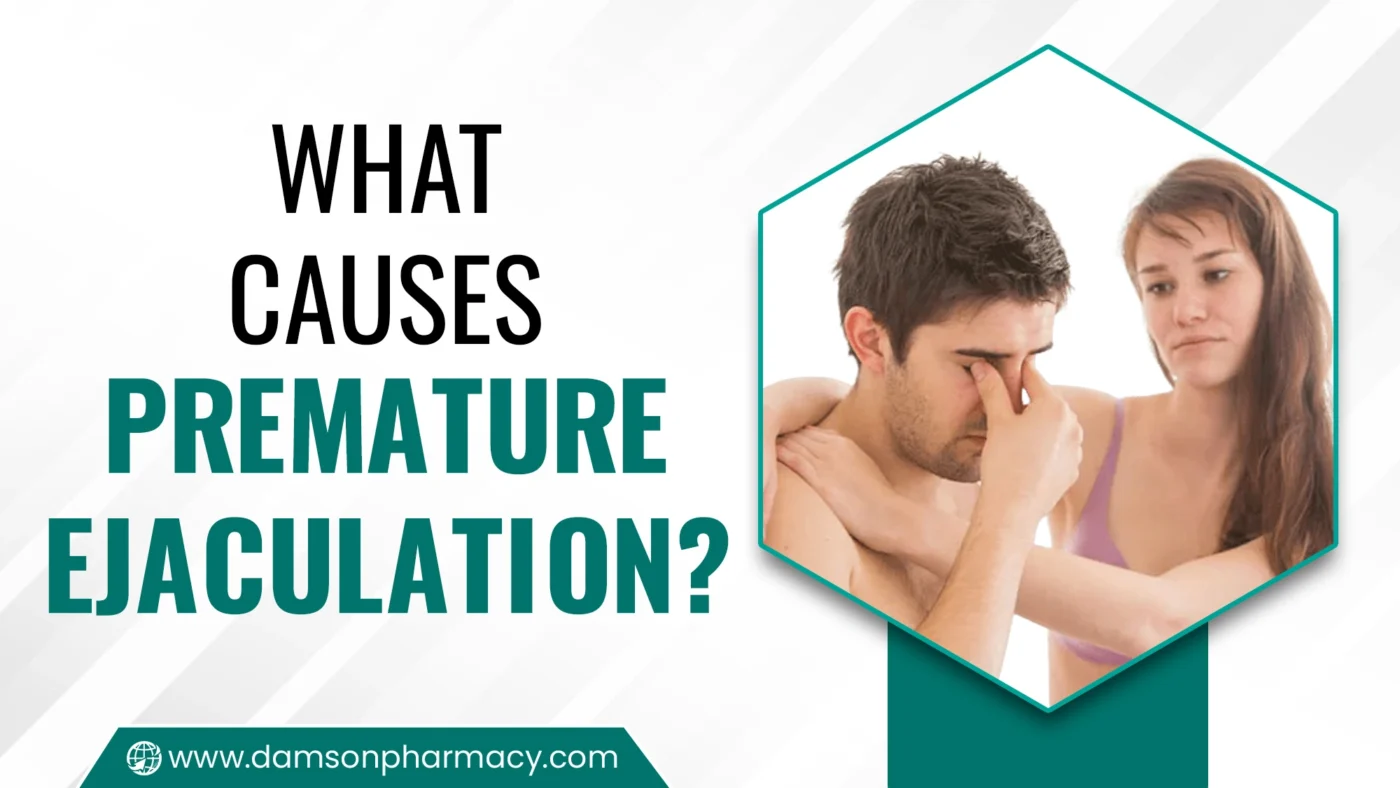
Understanding premature ejaculation causes is essential for identifying the factors that may contribute to this common sexual health concern. When you ejaculate before you want to, this is called premature ejaculation. It can be frustrating, make you feel less confident, and cause relationship stress.
There are many things that can cause this disease, including mental, physical, neurological, hormonal, or lifestyle factors. Because many things can affect sexual satisfaction at the same time, figuring out the main reason is often the first thing that needs to be done to find good management strategies and raise overall sexual satisfaction.
Understanding Premature Ejaculation Causes
Different people can have different reasons for ejaculating too soon, and these reasons are often a mix of mental and physical ones. Anxiety, stress, sadness, relationship problems, hormonal imbalances, low serotonin levels, erectile dysfunction, and some medical conditions are all common reasons for this.
The serotonin transporter gene 5-HTTLPR has also been looked into in terms of how it affects the time of ejaculation. Understanding these factors may help men seeking information on how to last longer in bed. Finding the root reason is important for treatment to work, for better control, and for better sexual health outcomes.
Anxiety and Performance Pressure
- Concern about anxiety is one of the most common reasons given for ejaculating too soon.
- Men who worry about their sexual behaviour may have more activity in their nervous system during intimacy, which can make it harder to control ejaculation.
- Worries about making your partner happy, keeping an erection, or not being embarrassed can make you tense up and less relaxed.
- Performance anxiety that happens over and over again can lead to a circle where the fear of ejaculating too soon makes the problem worse.
- In some cases, hormonal factors, including thyroid hormone PE associations, may also influence symptoms.
- Some men explore treatment options such as Super Tadarise tablets under medical supervision to help manage related sexual performance concerns.
Stress and Mental Exhaustion
Stress at work, with money, with family, or with personal problems can make it hard to perform sexual functions. Hormone levels and the way the nervous system responds may change when the body is constantly stressed, which can affect sexual performance.
Being mentally tired can make it harder to stay calm during closeness because it can make you less focused and more irritable. Chronic stress is often considered one of the important premature ejaculations causes because it can affect both physical and emotional aspects of sexual health.
Depression and Emotional Health
Depression can make you less sexually interested, less confident, and worse at what you do. Men who are depressed may have trouble controlling their ejaculation because they have negative thoughts, low self-esteem, and poor mental health. Emotional problems can also make it hard for partners to be close to each other and talk to each other.
Sexual problems can sometimes be caused by related conditions, like prostatitis-related PE. As part of a larger approach to management, some people also talk to doctors about treatments like Extra Super Tadarise tablets.
Relationship Problems and Emotional Distance
- Problems in a relationship can make you worry about your sexual ability.
- Arguments that don’t get fixed, a lack of trust, or bad communication can make things more tense emotionally and make it harder to connect with someone.
- When partners don’t feel linked, sexual encounters can become stressful instead of fun.
- This extra pressure can make you feel less confident and make it harder to control your ejaculation.
- If you know the differences between acquired and lifelong PE, you might be able to find trends.
- Some men also talk to doctors about treatment choices like sildenafil dapoxetine when they have problems with ejaculation before it’s time and other sexual issues that come up.
Low Serotonin Levels in the Brain
Nerve signals called serotonin help control our mood and sexual urges. According to research, ejaculation may happen faster than expected when serotonin levels are low. Because serotonin affects how nerve cells that are involved in sexual function talk to each other, imbalances can change when you ejaculate.
As a result of this neurological link, some drugs that raise serotonin levels are sometimes used to help men’s having more control during sexual activity. This can make the excitement level at top and improve sexual performance.
Problems with Hormones
Hormones are very important for controlling sexual health and the ability to reproduce. Changes in testosterone, thyroid hormones, and other hormone levels may make it hard for some men to ejaculate.
Hormonal issues can change your mood, energy level, libido, and how well you perform in bed. Although hormonal issues are not responsible for every case, they are among the recognized premature ejaculation causes that healthcare professionals may investigate when symptoms become persistent or severe.
Get Up to 90% off on Medicines
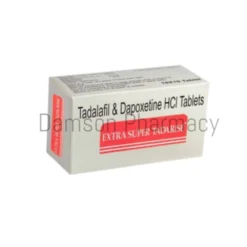
Tadalafil & Dapoxetine
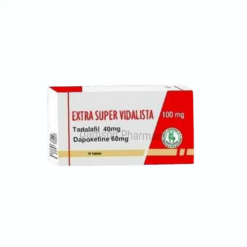
Tadalafil & Dapoxetine
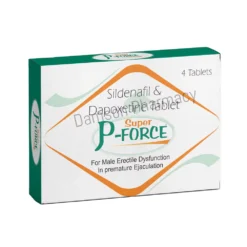
Sildenafil & Dapoxetine
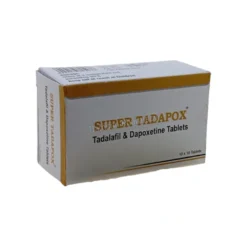
Tadalafil & Dapoxetine
Genetic and Inherited Factors
Some experts think that genes may affect how the body controls sexual responses and when a man ejaculates. Genetic factors that affect the nervous system or the behaviour of neurotransmitters may make someone more likely to ejaculate too soon.
Men who come from a family with a history of sexual problems may be more likely to have them themselves. Genetics don’t always explain everything, but they may help when combined with psychological, hormonal, or social factors.
Erectile Dysfunction and Ejaculation Control
Having trouble getting an erection and ejaculating too soon often happen together. Men who are afraid of losing their erection may ejaculate more quickly when they are sexually active. This pattern can slowly turn into a habit, which makes it harder to manage ejaculation even when erections get better.
These conditions have a complicated link because each one can make the other worse. Factors such as penile hypersensitivity and painful ejaculation may also contribute in some cases. Healthcare professionals often use the IELT benchmark (Intravaginal Ejaculatory Latency Time) to help assess ejaculation timing and guide treatment decisions.
Prostate and Urinary Tract Conditions
When the prostate gland and urinary tract are inflamed or infected, it can affect sexual performance. Problems like prostatitis can make you feel bad, irritate you, and change your sexual health. These problems might get in the way of normal ejaculation and make signs of premature ejaculation worse.
Even though they’re not the most common reasons, doctors may check the health of your prostate and urine tract when they look into long-term problems. People often talk about these kinds of diseases as part of a larger group of male sexual disorders and reproductive health problems.
Pelvic Floor Muscle Dysfunction
The muscles in the pelvic floor help with urination, controlling your bowels, and sexual activity. If you have weak or bad coordination in these muscles, it could affect your ability to control your ejaculation and your general sexual satisfaction.
For some men, activities that strengthen the pelvic floor and make them more aware of their muscles during intimacy may be helpful. Better control of your muscles can help your sexual reactions be healthier. The penile reflex arc also helps control ejaculation by coordinating the nerve signals that cause and respond to sexual arousal.
Lack of Sexual Experience
Men who are younger or who haven’t had much sexual experience may be more likely to ejaculate too soon. Being worried, excited, or unsure can raise your arousal level and make it harder to control your ejaculation.
As people gain more physical experience and confidence, they often become more aware of how their bodies react. Learning how to relax and getting comfortable with being close to someone may help you feel more in control and less anxious.
Unhealthy Lifestyle Habits
The way you live your life can affect your sexual health as a whole. Blood flow, hormone balance, and nerve system function can be harmed by not getting enough sleep, drinking too much alcohol, smoking, not exercising, and eating poorly.
These changes can make it harder to act sexually, including ejaculating too soon. Getting into healthier habits can help your physical and mental health, which could improve your ability to control ejaculation and your general sexual satisfaction.
Excessive Sexual Stimulation
Some men may ejaculate more quickly when they are sexually excited or when they are exposed to strong sexual stimulation for a long time. People who get very excited very quickly might find it hard to control their sexual reaction.
Control can be improved by learning methods that make you more aware of your level of arousal. Managing stimulation effectively is often an important aspect of addressing certain premature ejaculation causes and improving sexual confidence.
Underlying Medical Conditions
If you have a health problem that affects your nervous system, endocrine system, or reproductive systems, you may ejaculate too soon. Nerve function disorders, long-term illnesses, or metabolic problems can make it hard for the body to control sexual reactions.
Because there may be more than one health factor at play, a full medical exam can help find the real problems. If you know about and fix these conditions, your symptoms may get better and your long-term sexual health may improve.
Conclusion
There are many things that can cause premature ejaculation, including mental, physical, hormonal, neurological, and social factors. Understanding premature ejaculation causes helps men recognize potential risk factors and seek appropriate support when needed.
Because the condition is often caused by a number of different things, managing it well generally means taking care of both the physical and emotional health of the person. Many men can better control their ejaculation, feel more confident, and have more enjoyable sexual relationships if they get the right diagnosis, treatment, and changes to their lifestyle.
Reference
Add Damson Pharmacy as a Preferred Source to see more of our trusted content across Google Search, AI Overviews, and AI Mode.
Acknowledgment:
Damson Pharmacy only refers to credible, authoritative sources for our content. If you’re curious about how we ensure the integrity of our content, we encourage you to read our Content Information Policy.
