
Menopause
The normal process of menopause means that a woman can no longer have periods or have children. It's usually found in women between the ages of 45 and 55, after a year without a period. Because there are less estrogen and progesterone, hormones change, which can have different effects on physical, social, and mental health.
The normal process of menopause means that a woman can no longer have periods or have children. It’s usually found in women between the ages of 45 and 55, after a year without a period. Because there are less estrogen and progesterone, hormones change, which can have different effects on physical, social, and mental health.

Content reviewed by Damson Pharmacy Medical Review Board

Menopause

Menopause
Menopause
Menopause

Menopause



Menopause

Menopause

Menopause

Menopause

Menopause

Menopause

Menopause

Menopause

Menopause

Menopause

Menopause

Menopause

Menopause
Menopause Used For
- Menopause is not a cure in and of itself, but it is often talked about in terms of how to deal with symptoms and make life better during this time in a woman's reproductive health.
- The goal of medical care during menopause is to ease complaints like vaginal dryness, hot flashes, and mood swings.
- Hormone replacement treatment (HRT), changes to the way you live, and non-hormonal medications are common ways to help.
- Managing the menopause correctly is also important for avoiding long-term health risks like osteoporosis and heart disease, which may become more likely as estrogen levels drop.
- Monitoring and caring for people on a regular basis help keep the body and mind in balance.
- Overall, care for women going through menopause depends on managing symptoms, keeping their health in good shape, and improving their long-term health.
Working
The process of menopause occurs through a gradual decline in ovarian function. Over time, the ovaries produce less estrogen and progesterone levels, hormones that regulate the menstrual cycle. Because these hormone levels rise and fall, ovulation becomes irregular and finally stops, which means that a woman stops having periods.
Several parts of the body are affected by this chemical imbalance, such as the heart, bones, skin, and brain. Less estrogen in the body can make it harder to control temperature, which can lead to hot flashes.
It can also weaken bones, which makes them more likely to break. Mood swings and trouble sleeping are two other changes that could happen. Even though the body slowly gets used to these changes in hormones, many women can feel and see physical and mental effects during this time.
Dosage
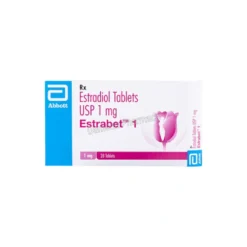
When talking about menopause, dose refers to the medicines that are used to treat the symptoms, not the menopause itself. Depending on whether a woman has had a hysterectomy, hormone replacement therapy (HRT) includes carefully recommended doses of estrogen alone or with progesterone.
People are given different doses based on their age, the severity of their symptoms, their medical background, and their overall risk factors. Doctors usually tell patients to take the lowest number that works for the shortest amount of time in order to control their symptoms while minimizing their risks.
Non-hormonal treatments, like some drugs and medicines that help bones stay healthy, also need to be carefully monitored and given at certain times. Follow-up visits are necessary to see how well treatment is working and make changes if necessary.
Self-medication shouldn't be done because it can go wrong and cause problems. Any treatments for menopause should only be done under the supervision of a trained medical worker.
How Long Menopause Lasts?
- In the medical world, menopause is a single event that happens after 12 months of not having a period.
- However, the change itself usually takes several years.
- Perimenopause is the time before menopause. It can start years before menopause does and is marked by irregular periods and changing hormone levels.
- The postmenopausal stage lasts for the rest of a woman's life after menopause.
- During this time, symptoms like mood swings, hot flashes, and night sweats may show up and get worse.
- Most of the time, these symptoms last between 4 and 7 years, but some women may have them for longer.
- The length and severity of changes that come with menopause depend on the person's health, genetics, and living choices, so each experience is different.
Side Effects
Common Side Effects
- Hot Flashes
- Night Sweats
- Mood Swings
- Sleep Issues
- Vaginal Dryness
Moderate Side Effects
- Fatigue Levels
- Memory Issues
- Weight Gain
- Skin Changes
- Concentration Difficulty
Serious Side Effects
- Bone Loss
- Osteoporosis Risk
- Heart Disease
- Fracture Risk
- Hormonal Imbalance
Interactions
Treatments used during menopause, particularly hormone replacement therapy (HRT), can interact with other medications and influence overall ovarian function and hormonal balance.
Some medicines, like those used to treat epilepsy or tuberculosis, and herbal supplements, like St. John's Wort, may make hormonal treatments less successful.
Also, some antidepressants and blood-thinning drugs can combine with HRT, so doctors need to keep a close eye on the patient. These interactions might change how the body absorbs or reacts to treatment, which could make it harder to control symptoms.
Patients should let their doctor know about all of the medicines, supplements, and herbal items they are taking. Managing these interactions correctly makes treatment safer, keeps it working, and lowers the risk of side effects or problems that you don't want during menopause care.
Precautions and Warnings
- Before starting any treatment for menopause, a thorough medical evaluation is necessary to assess overall health and menopause age.
- When thinking about hormone treatment, women who have had breast cancer, blood clots, liver disease, or heart problems in the past should be extra careful.
- Lifestyle choices like smoking, eating poorly, and being overweight can make the risks of treatment even higher.
- Before recommending any hormonal or non-hormonal therapy, doctors carefully look at each person's risk profile.
- During and after menopause, it is very important to get regular check-ups with your doctor.
- These should include breast exams, blood pressure checks, and bone density tests.
- Patients should tell their doctor right away about any strange symptoms, like blood that doesn't make sense, headaches that won't go away, or chest pain.
- People who can't safely use hormone treatment are often given non-hormonal alternatives and lifestyle-based management options to make sure they get safer long-term care and better control of their symptoms.
Storage
Medications for controlling menopause symptoms should be kept in a way that follows the manufacturer's instructions to keep them safe and effective. Don't put most oral medicines in direct sunlight, heat, or water.
Instead, keep them at room temperature in a cool, dry place. To keep them stable, hormonal patches, creams, or gels should stay in their original package and not be exposed to too much heat or humidity. Some foods may need to be kept cool.
If they do, the label will always make that clear, and you must carefully follow these directions. To keep drugs from getting into the wrong hands, like kids or pets, they should all be kept safely out of their reach. Also, it's important to check expiration dates often.
To keep people from abusing drugs and hurting the environment, expired or unused medicines should be thrown away properly through shops or healthcare services.