
Anesthesia
Anesthesia products are usually picked up for one simple reason: to relieve the pain of a minor procedure, whether it's a small cut, a sore spot, or even a nerve-wracking visit to the dentist. Most people pick up a tube, use it once or twice and never think about it again, which is fair enough since it normally does its job quietly.
But here's the thing nobody tells you before skin is fickle. Some people use numbing gel for years without any problems, then suddenly their arm turns red and itchy for no apparent reason. This is where Allergies come in, and frankly, it causes more problems than you'd expect, often taking you completely by surprise.
Anesthesia products are usually picked up for one simple reason: to relieve the pain of a minor procedure, whether it’s a small cut, a sore spot, or even a nerve-wracking visit to the dentist. Most people pick up a tube, use it once or twice and never think about it again, which is fair enough since it normally does its job quietly.
But here’s the thing nobody tells you before skin is fickle. Some people use numbing gel for years without any problems, then suddenly their arm turns red and itchy for no apparent reason. This is where Allergies come in, and frankly, it causes more problems than you’d expect, often taking you completely by surprise.


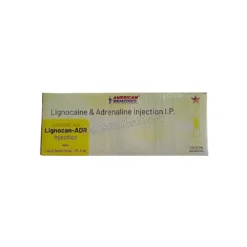
Anesthesia
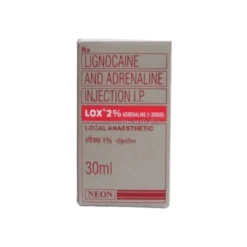
Anesthesia
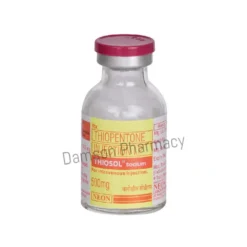
Anesthesia
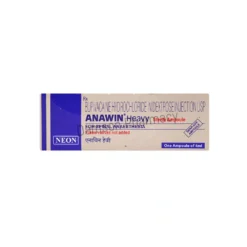
Anesthesia
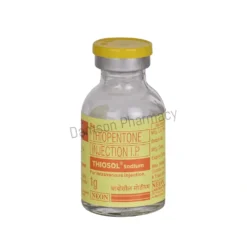
Anesthesia
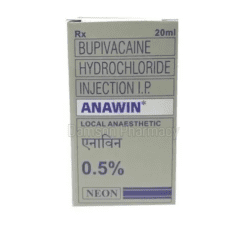
Anesthesia
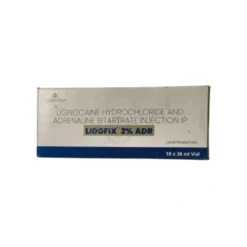
Anesthesia
Used For
People use this type of product in various everyday situations, not just at the doctor's office. Common examples include:
- Soothes inflamed gums.
- Helps treat recent mouth ulcers.
- Relieves pain from minor cuts and scrapes.
- Soothes skin irritation before minor skin procedures.
- Relieves pain from quick pricking or blood draws.
- Soothes sunburn.
- Calms skin irritations.
- Relieves teething pain in babies.
- Relieves pain from waxing or body piercing.
- Relieves itching from insect bites.
Working
It is placed on the top layer of the skin or gums and blocks the tiny nerve signals that normally send ‘pain’ signals to your brain. Within a short time, the area feels slightly numb, tingly or slightly cool to the touch. Your brain simply stops receiving pain messages from that specific area, although everything below it continues to function properly. Once the product wears off, normal sensation returns gradually, not all at once.
What's interesting is that this whole process happens without touching anything deeper than the surface layers. The muscle, bone and blood flow underneath carries on as normal, only the message wire to your brain gets temporarily muted. This is why some describe this feeling as a painless pressure rather than a complete emptiness.
How Long Does It Last?
This is a question that almost everyone asks and for good reason, because no one wants to feel a tingling sensation for too long. Some of the following point keep in mind that how long the effect last:
- Skin gels often last thirty minutes
- Some sprays last up to an hour
- Mouth gels fade faster, around fifteen minutes
- Saliva washes the mouth gels away quickly
- Thicker creams can last a couple of hours
- Thin skin numbs faster than thick skin
- More product applied means a longer numb feeling
- Body warmth can shorten how long it lasts
- Cold weather can stretch the numbing window
- A hot shower right after can wash it off sooner
Side Effect
Most people experience this without any major problems, but it is worth giving a detailed description of it. Reactions are typically categorized by severity.
Common
- Tingling
- Itching
- Redness
- Numbness
- Stinging
- Dryness
- Warmth
- Tightness
Moderate
- Swelling
- Rash
- Blistering
- Soreness
- Discoloration
- Peeling
- Bruising
- Irritation
Severe
-
Breathlessness
If any of the listed symptoms occur, stop using the product immediately and seek medical attention promptly, this condition cannot be ignored at home.
Interactions
Anesthesia products don't usually interact with other products but some combinations warrant careful consideration. Applying more than one topical anesthetic to the same area of skin at once can concentrate the numbing effect, which is undesirable. Combining them with certain drugs or creams containing similar anesthetics can also increase their effect.
If skin outer layer is injured, sunburned or has been waxed, then applying too much product to it can increase the risk of allergic reaction. It is important to remember that using an alcohol wipe just before applying a topical anesthetic can strip the skin of its natural oils and this thin layer can allow the product to penetrate the skin more quickly, which can cause more allergic reaction than usual.
Precautions
Keep the following precautions in mind while using anesthetic products that can be helpful for user:
- Try a small patch test first
- Keep it away from your eyes
- Keep it away from your ears
- Never use it on broken or weepy skin
- Don't bandage the area tightly afterward
- Heat under a bandage can speed up absorption
- Pregnant women should ask a doctor first
- Children need smaller amounts than adults
- Avoid it right before swimming or showering
- Stop right away if redness starts spreading
Storage
Keep tubes and bottles of anesthetic products in a cool and dry place, do not keep them in direct sunlight and keep them away from the reach of children. A bathroom cabinet or bedside drawer away from heat works far better than a sunny windowsill, since heat and bright light can weaken how well the product works. Keep all medicated products under 15 - 25 degree centigrade.
Most of these products have a shorter shelf life than the sealed pack products, so it is important to check the date printed on the tube every few months. It helps to keep the cap tightly closed after every use because air in overtime can dry gel or thin out a cream faster. Bathrooms with steamy showers aren't always ideal either, since the constant changes in humidity can affect certain formulas more than a simple dry drawer would.