
Antiparasitic
Antiparasitic drugs are a class of medications used to manage and treat a wide variety of infections caused by parasites. Parasites are tiny organisms that live on or inside a host organism, such as a human or animal, and derive nutrients at the host’s expense. These drugs work by selectively targeting the parasites, either by killing them outright (vermiformes/vermicides), stopping their growth, or paralyzing them so they can be expelled from the host’s body. Because different parasites have distinct biological structures and life cycles, there are many different types of antiparasitic drugs, each typically effective against a specific range of organisms.

Content reviewed by Damson Pharmacy Medical Review Board
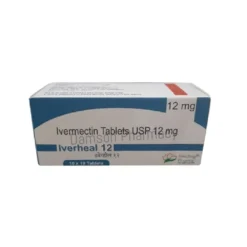
Antiparasitic
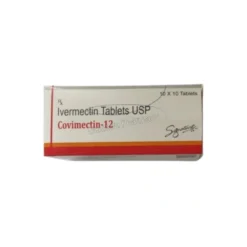
Antiparasitic

Antiparasitic

Antiparasitic
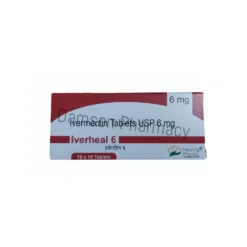
Antiparasitic
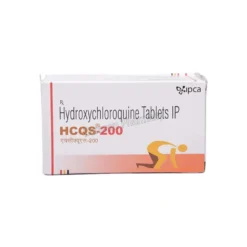
Antiparasitic
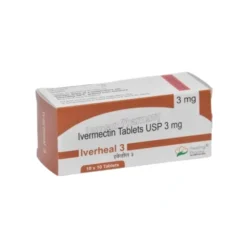
Antiparasitic
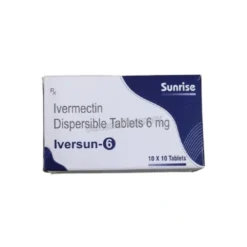
Antiparasitic
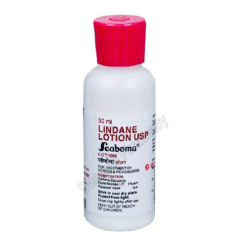
Antiparasitic
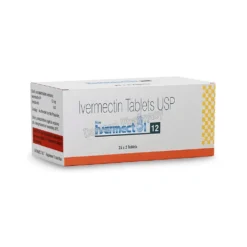
Antiparasitic
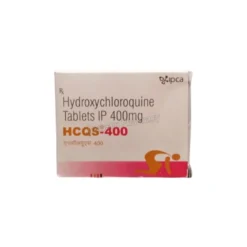
Antiparasitic
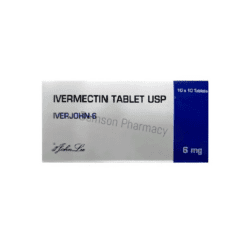
Antiparasitic
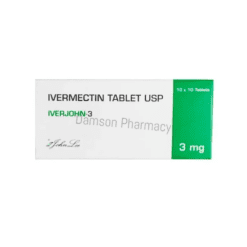
Antiparasitic
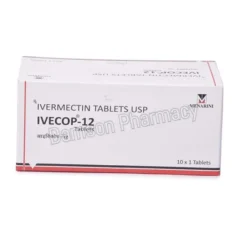
Antiparasitic
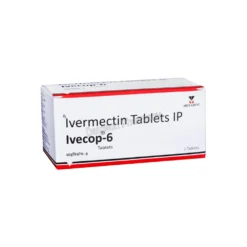
Antiparasitic
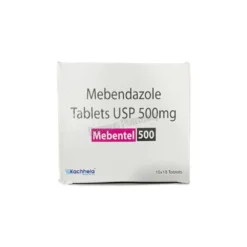
Antiparasitic
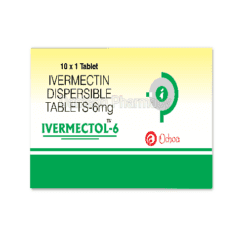
Antiparasitic

Antiparasitic
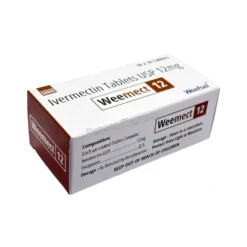
Antiparasitic
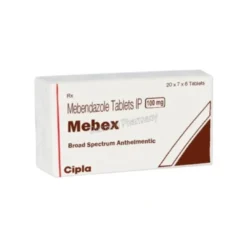
Antiparasitic
Antiparasitic medications are broadly categorized based on the type of parasite they target. Antiprotozoal agents treat single-cell organisms like those that cause malaria or giardiasis by interfering with DNA synthesis or metabolic processes. Antihelminthic agents are used against parasitic worms (helminths), including roundworms, tapeworms, and flukes, and often work by disrupting neuromuscular function or glucose uptake. Ectoparasiticides are applied topically to eliminate external parasites such as lice, mites, and ticks by attacking their nervous systems.