


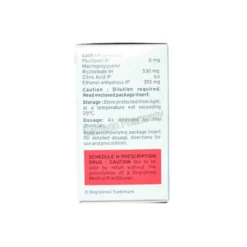


Intaxel 100 mg Injection
Price range: $140.00 through $600.00
Intaxel 100 mg is used to treat various types of cancer, including breast, lung, and ovarian cancers. It contains Paclitaxel, which works by stopping cancer cells from dividing and slowing their growth.
| Pack Size | Price/Unit | Price | Quantity | |
|---|---|---|---|---|
| 1 Injection | $140.00/unit | $140.00 | ||
| 3 Injections | $130.00/unit | $390.00 | ||
| 5 Injections | $120.00/unit | $600.00 |
Looking for bulk / B2B pricing? |
Send Inquiry |
Availability : IN STOCK




Introduction to Intaxel 100 mg Injection
Intaxel 100 mg Injection is a chemotherapy medication that contains the active ingredient paclitaxel. It is primarily used to treat various types of cancers, including ovarian, breast, lung, and pancreatic cancers. As a member of the taxane class of drugs, Intaxel works by disrupting the normal function of microtubules during cell division, ultimately preventing the growth and spread of cancer cells.
Intaxel 100 mg Injection contains Paclitaxel, which belongs to a group of anticancer medicines called Taxanes. This injection is administered intravenously under the supervision of a healthcare professional, typically in a hospital or other clinical setting. The dosage and frequency depend on the type of cancer being treated, the patient’s body size, and their overall medical condition.
Pre-medications are often given before administering Intaxel to reduce the risk of allergic reactions, which can occur with this drug. Intaxel 100 mg, manufactured by Fresenius Kabi India Pvt Ltd, contains the active ingredient Paclitaxel, a chemotherapy medication used to treat various types of cancer.
Uses of Intaxel 100 mg
- Breast Cancer
- Ovarian Cancer
- Pancreatic Cancer
- Kaposi’s Sarcoma
- NSCLC (non-small cell lung cancer)
How Does Intaxel 100 mg Injection Work?
Intaxel 100 mg Injection works by interfering with microtubule structures in cells, which help cancer cells divide and multiply, thereby inhibiting their growth and spread in affected individuals.
Side Effects of Intaxel 100 mg
- Nausea and vomiting
- Hair loss (alopecia)
- Fatigue and weakness
- Diarrhea or constipation
- Mouth sores
- Loss of appetite
Dosage of Intaxel 100 mg
The dosage of Intaxel 100 mg Injection varies depending on the type of cancer, body surface area, and the patient’s overall health. Typically, it is given as an intravenous infusion over 3 hours once every 3 weeks, often in combination with other chemotherapy drugs.
Pre-medications such as corticosteroids and antihistamines are administered beforehand to minimize allergic reactions. The exact dose and schedule should always be determined by an oncologist based on individual treatment needs.
How to Manage Side Effects?
- Stay hydrated
- Eat small meals
- Use mild shampoos
- Practice good hygiene
- Rest regularly
- Wear soft shoes
- Report symptoms early
Drug Interactions
- Cisplatin
- Carboplatin
- Erythromycin and Ketoconazole
- Ritonavir and other protease inhibitors
- Warfarin and other blood thinners
- Phenytoin and Carbamazepine
- Live vaccines
Warnings & Precautions
1. Allergic Reactions:
- Severe hypersensitivity may occur; pre-medication is essential.
2. Bone Marrow Suppression:
- Monitor blood counts regularly to avoid complications.
3. Liver Impairment:
- Dose adjustments may be needed for liver dysfunction.
4. Heart Disorders:
- Caution in patients with cardiac history or arrhythmias.
5. Infections Risk:
- A weakened immune system can increase susceptibility to serious infections.
6. Pregnancy and Breastfeeding:
- May harm an unborn baby and is not recommended during breastfeeding.
7. Peripheral Neuropathy:
- Monitor for numbness or tingling in hands and feet.
8. Use by Professionals Only:
- Should be administered under trained medical supervision only.
Storage
- Store below 25°C (77°F) – Keep the medication away from heat and sunlight.
- Do not freeze – Freezing may damage the medication’s effectiveness.
- Keep in original packaging – Protects from light and contamination.
- Keep out of children’s reach – This helps prevent accidental exposure or ingestion.
- Use before expiry date – Expired medication may be harmful or ineffective.
- Do not shake vial – Shaking can affect drug stability and performance.
- Dispose properly – Follow medical waste guidelines for unused medication.
Frequently Asked Questions
How should Intaxel 100 mg Injection be stored?
Can I receive Intaxel 100 mg Injection if I am pregnant?
What should I do if I miss a dose?
How to administer Intaxel 100 mg Injection?
| Pack Size | 1 Injection, 5 Injections |
|---|---|
| Price/Unit | $120/unit, $130/unit, $140/unit |
Related Products
Anti Cancer

Anti Cancer

Anti Cancer

Anti Cancer
Anti Cancer
Reviews
There are no reviews yet